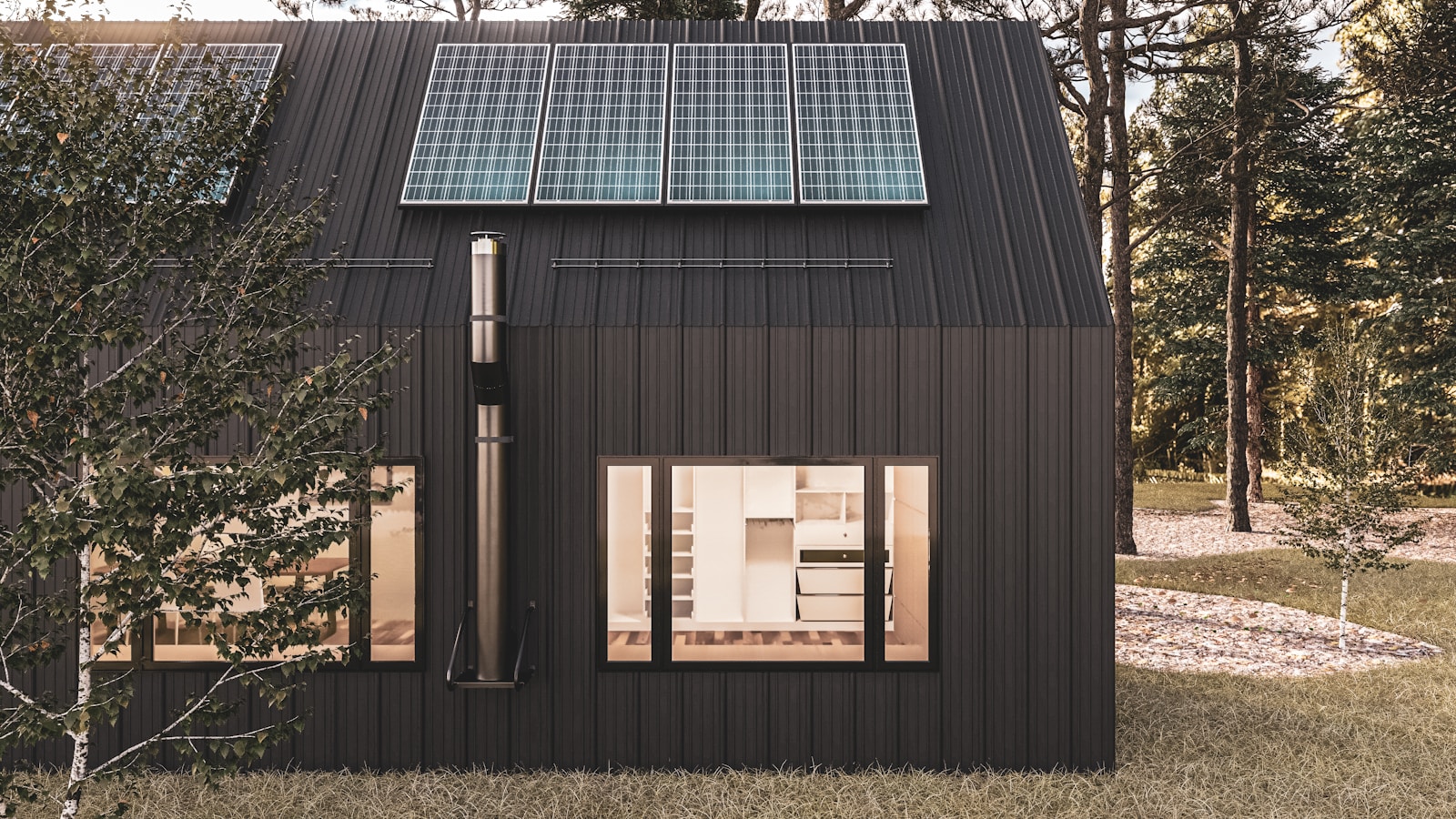
Powering Up: Sustainable Energy Solutions for Tiny House Living
Living in a tiny house has become increasingly popular in recent years, with many people seeking a simpler, more sustainable way of life. One of the biggest challenges faced by tiny house dwellers is how to power their homes in an eco-friendly and cost-effective way. Fortunately, there are a variety of sustainable energy solutions available that can help tiny house owners live off the grid and reduce their carbon footprint. In this article, we will explore some of the best options for powering up a tiny house with sustainable energy.
Solar Power
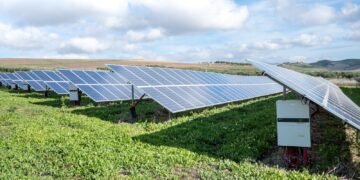
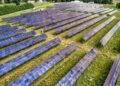
Solar power is perhaps the most popular and widely used form of sustainable energy for tiny houses. Solar panels can be installed on the roof of a tiny house to capture the sun’s energy and convert it into electricity. This electricity can then be stored in batteries for later use, or fed back into the grid for a credit on your energy bill.
One of the main benefits of solar power is that it is completely renewable and clean, producing no greenhouse gas emissions. Additionally, solar panels have a long lifespan and require very little maintenance, making them a cost-effective option in the long run.
There are a variety of solar panel options available, ranging from small, portable panels to larger, more powerful systems. The size of the system you choose will depend on your energy needs and budget. Many tiny house owners opt for a combination of solar panels and batteries to ensure they have a reliable source of power day and night.
Wind Power
Another sustainable energy option for tiny house living is wind power. Wind turbines can be installed on the property surrounding a tiny house to harness the power of the wind and generate electricity. Like solar power, wind power is renewable and clean, making it an environmentally friendly choice.
Wind turbines can be a good option for tiny house owners who live in areas with consistent wind patterns. However, it’s important to consider the size and placement of the turbine to ensure it is effective and doesn’t create noise or visual pollution. Additionally, wind turbines can be more expensive to install and maintain than solar panels, so it’s important to weigh the costs and benefits before making a decision.
Hydro Power
For tiny house owners who live near a water source, hydro power can be a great sustainable energy option. Hydroelectric systems use the flow of water to generate electricity, making them a clean and renewable energy source.
There are a variety of hydro power systems available, ranging from small, portable systems to larger, more permanent installations. The size and type of system you choose will depend on the flow of water available on your property and your energy needs.
One of the main benefits of hydro power is that it can be a very reliable source of energy, especially if you live in an area with consistent water flow. Additionally, hydro power systems have a long lifespan and require minimal maintenance, making them a cost-effective choice in the long run.
Biomass Power
Biomass power is another sustainable energy option for tiny house living. Biomass refers to organic materials such as wood, crop residues, or animal waste that can be burned to generate heat and electricity. Biomass power is renewable and can be a good option for tiny house owners who have access to these materials.
There are a variety of biomass systems available, ranging from wood stoves for heating to biogas digesters for generating electricity. The type of system you choose will depend on the materials available to you and your energy needs.
One of the main benefits of biomass power is that it can be a carbon-neutral energy source, as the carbon emitted during combustion is offset by the carbon absorbed by plants during growth. Additionally, biomass systems can be relatively inexpensive to install and maintain, making them a cost-effective choice for many tiny house owners.
Conclusion
Powering up a tiny house with sustainable energy solutions can help reduce your carbon footprint, save money on energy bills, and give you greater independence from the grid. Whether you choose solar, wind, hydro, or biomass power, there are a variety of options available to suit your energy needs and budget.
Before deciding on a sustainable energy system for your tiny house, it’s important to consider factors such as your location, energy needs, and budget. Researching different options and consulting with a professional can help you make an informed decision that will benefit both you and the environment.
By harnessing the power of sustainable energy, tiny house owners can enjoy a greener, more sustainable way of life while also reducing their impact on the planet. With the right energy system in place, you can power up your tiny house in an eco-friendly and cost-effective way.
So, whether you’re looking to go off the grid, reduce your energy bills, or simply live a more sustainable lifestyle, consider powering up your tiny house with sustainable energy solutions.