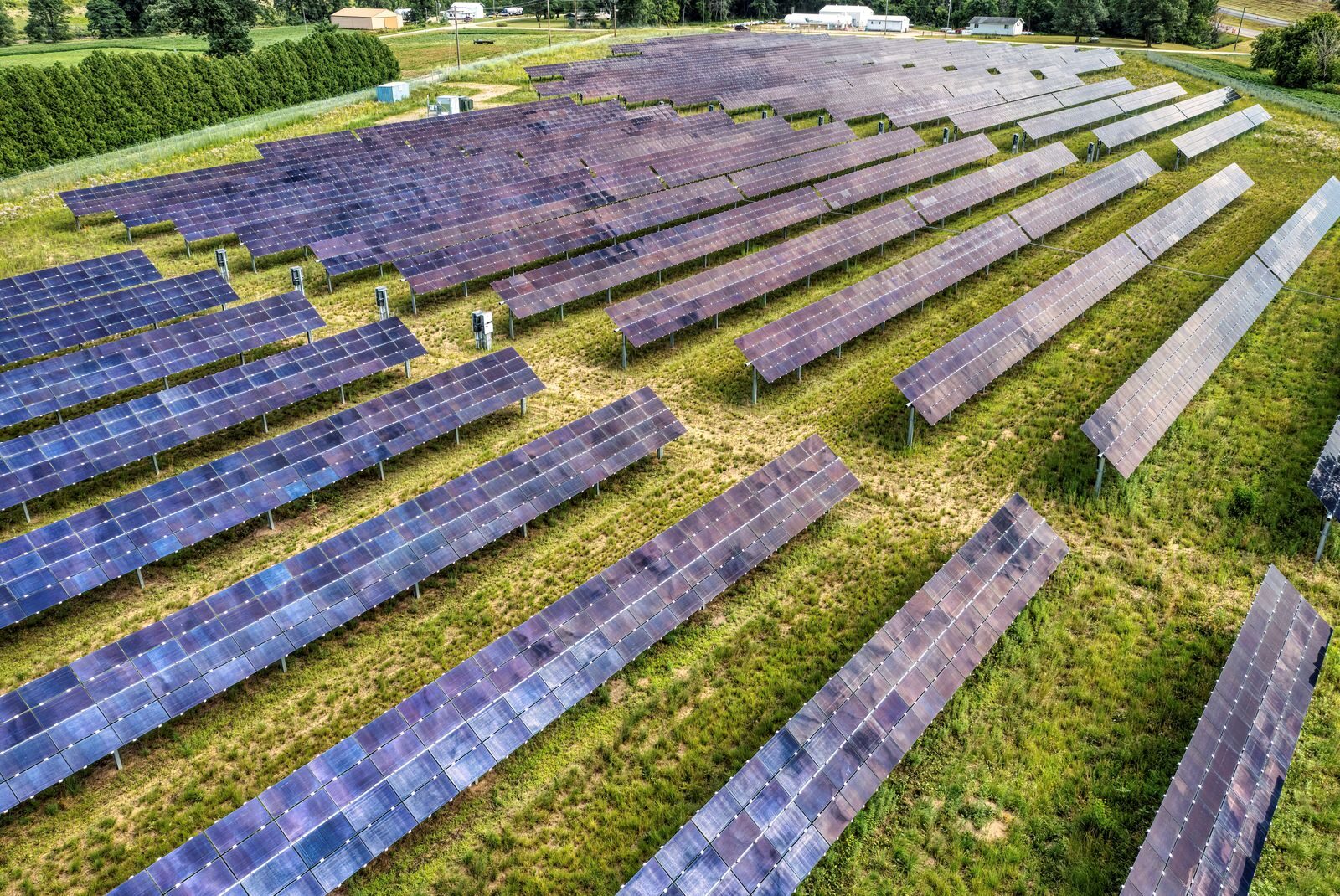
In recent years, solar energy has gained significant traction as a sustainable and cost-effective solution for powering communities around the world. With the increasing focus on renewable energy sources and the urgency to combat climate change, launching a successful solar project can empower communities to take control of their energy consumption and reduce their carbon footprint. In this guide, we will explore the steps involved in launching a solar project, from planning and funding to implementation and maintenance. By following these guidelines, communities can harness the power of the sun to create a brighter and more sustainable future.
The Benefits of Solar Energy
Before diving into the specifics of launching a solar project, it is important to understand the numerous benefits that solar energy can bring to a community. Solar energy is clean, renewable, and abundant, making it an attractive alternative to traditional fossil fuels. By harnessing the power of the sun, communities can reduce their reliance on nonrenewable energy sources, lower their electricity bills, and decrease their carbon emissions. Solar energy also creates local jobs, boosts economic development, and increases energy independence. Furthermore, solar panels require minimal maintenance and have a long lifespan, making them a reliable and cost-effective energy solution in the long run.
Planning Your Solar Project
The first step in launching a successful solar project is to carefully plan and design the system. This involves conducting a thorough site assessment to determine the optimal location for solar panels, taking into account factors such as sunlight exposure, shading, and roof condition. It is also important to consider the energy needs of the community and size the system accordingly. Additionally, communities should research local regulations, incentives, and financing options to ensure compliance and maximize cost savings. By working with experienced solar contractors and engineers, communities can develop a customized solar solution that meets their specific needs and goals.
Securing Funding and Financing
Funding is a key component of any solar project, as the upfront costs of solar installation can be significant. Fortunately, there are a variety of funding and financing options available to help communities offset the costs of going solar. These include grants, rebates, tax credits, and financing programs that can help make solar energy more affordable and accessible. Communities can also explore partnerships with local utilities, businesses, and nonprofit organizations to secure additional funding and support. By leveraging these resources, communities can make the transition to solar energy more feasible and cost-effective.
Choosing the Right Equipment
Selecting the right equipment is crucial to the success of a solar project. Communities should invest in high-quality solar panels, inverters, and mounting systems that are durable, efficient, and reliable. It is also important to consider factors such as warranty, performance, and compatibility when choosing solar equipment. By working with reputable solar suppliers and installers, communities can ensure that their solar system is designed and installed to the highest standards. Additionally, communities should prioritize safety and compliance by following industry best practices and guidelines.
Installation and Commissioning
Once the planning, funding, and equipment selection are complete, it is time to move on to the installation phase of the solar project. This involves mounting the solar panels, connecting the electrical components, and testing the system to ensure proper functionality. Communities should hire certified solar installers to handle the installation process and ensure that all safety and quality standards are met. After the installation is complete, the system must be commissioned and connected to the grid to begin generating clean energy. Communities should work closely with their utility provider to ensure a smooth and seamless integration of their solar system.
Monitoring and Maintenance
After the solar system is up and running, it is important to monitor and maintain it regularly to ensure optimal performance and longevity. Communities should invest in monitoring tools and software to track energy production, detect any issues, and optimize system efficiency. Regular maintenance, such as cleaning the panels, inspecting electrical connections, and checking for shading, is also essential to keep the system running smoothly. By staying proactive and vigilant, communities can maximize the benefits of their solar investment and extend the lifespan of their solar system.
Community Engagement and Education
In addition to the technical aspects of launching a solar project, community engagement and education are key components of a successful solar initiative. Communities should involve residents, businesses, and stakeholders in the decision-making process and educate them about the benefits of solar energy. This can help build support and enthusiasm for the project, increase awareness about renewable energy, and foster a sense of ownership and pride within the community. By hosting workshops, events, and outreach campaigns, communities can empower residents to take action and make a positive impact on the environment.
Conclusion
Launching a successful solar project is a rewarding and impactful endeavor that can empower communities to embrace clean energy and sustainability. By following the steps outlined in this guide, communities can navigate the complexities of solar energy and create a brighter future for themselves and future generations. From planning and funding to installation and maintenance, every step of the solar project is critical to its success. By working together, communities can harness the power of the sun to transform their energy landscape and make a positive difference in the world.