Harmonizing Nature: The Key to Sustainable Farming through Biodiversity Conservation
Farming is at the heart of our civilization, providing us with the food we need to survive. However, conventional farming methods have often come at a cost to the environment, leading to soil degradation, water pollution, and loss of biodiversity. In recent years, there has been a growing recognition of the importance of harmonizing nature in farming practices to ensure long-term sustainability.
The Importance of Biodiversity Conservation in Farming
Biodiversity is the variety of life on Earth, including the different species of plants, animals, and microorganisms that make up ecosystems. In farming, biodiversity plays a crucial role in maintaining soil health, pollination, pest control, and overall ecosystem resilience. By conserving biodiversity on farms, we can ensure that our agricultural systems are sustainable and resilient to environmental changes.
Benefits of Biodiversity Conservation in Farming
There are numerous benefits to conserving biodiversity in farming practices. Some of the key benefits include:
- Improved soil health: Biodiversity helps to maintain soil structure and fertility, reducing the need for chemical fertilizers and pesticides.
- Natural pest control: By promoting biodiversity on farms, we can encourage natural predators of pests to thrive, reducing the need for harmful insecticides.
- Pollination: Many crops rely on pollinators such as bees and butterflies to reproduce. By conserving biodiversity, we can ensure that pollinators have a healthy habitat to thrive in.
- Resilience to climate change: Biodiversity helps to increase the resilience of agricultural systems to extreme weather events and changing climate conditions.
Strategies for Biodiversity Conservation in Farming
There are several strategies that farmers can use to promote biodiversity on their farms:
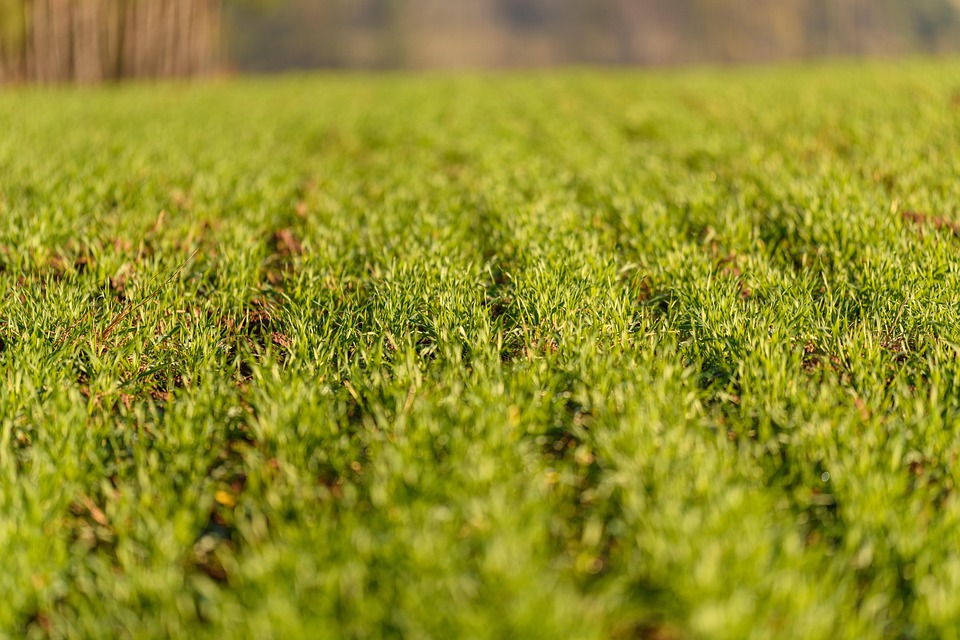
- Planting cover crops: Cover crops help to improve soil health, reduce erosion, and provide habitat for a variety of beneficial insects.
- Rotating crops: Crop rotation helps to break pest cycles and maintain soil fertility, reducing the need for chemical inputs.
- Creating wildlife habitats: By setting aside areas of the farm for wildlife habitat, farmers can provide a home for beneficial insects, birds, and other wildlife.
- Integrating livestock: Integrating livestock into farming systems can help to improve soil health and nutrient cycling, promoting biodiversity.
Challenges to Biodiversity Conservation in Farming
While there are many benefits to conserving biodiversity in farming practices, there are also several challenges that farmers may face:
- Economic constraints: Implementing biodiversity conservation practices may require upfront investments in infrastructure and training, which can be a barrier for some farmers.
- Lack of knowledge: Many farmers may not be aware of the benefits of biodiversity conservation or how to integrate it into their farming practices.
- Market demand: Consumers may not always prioritize products from farms that promote biodiversity, making it difficult for farmers to justify the additional costs.
Conclusion
Harmonizing nature in farming practices through biodiversity conservation is essential for ensuring the long-term sustainability of our agricultural systems. By promoting biodiversity on farms, we can improve soil health, reduce the need for chemical inputs, and increase the resilience of our food production systems to climate change. While there are challenges to implementing biodiversity conservation practices, the benefits far outweigh the costs. It is up to farmers, policymakers, and consumers to work together to promote sustainable farming practices that prioritize biodiversity conservation.