From Farm to Fork: Expert Tips for Growing Locally-Sourced Produce for Market Success
When it comes to growing locally-sourced produce for market success, there are several key strategies that can help farmers maximize their yield and increase their profits. In this article, we will explore some expert tips for growing and selling locally-grown produce, from selecting the right crops to marketing and selling your products.
Choosing the Right Crops
One of the most important factors in growing locally-sourced produce is choosing the right crops to grow. When selecting which crops to plant, it is important to consider the climate, soil conditions, and market demand in your area. Some crops, such as tomatoes, peppers, and cucumbers, are popular choices for many farmers because they are in high demand and can be grown in a variety of climates.
Soil Preparation and Fertilization
Proper soil preparation and fertilization are essential for growing healthy, high-quality produce. Before planting your crops, it is important to test your soil to determine its nutrient levels and pH balance. Based on the results of the soil test, you can then add the necessary amendments to improve the soil quality and fertility.
Planting and Care
Once you have selected your crops and prepared your soil, it is time to plant your seeds or seedlings. When planting your crops, be sure to follow the spacing and depth recommendations for each type of plant. In addition, make sure to provide adequate water, sunlight, and nutrients to help your plants grow strong and healthy.
Pest and Disease Control
One of the biggest challenges in growing produce is dealing with pests and diseases that can damage your crops. To prevent pest infestations and diseases, it is important to monitor your plants regularly and take preventive measures, such as using organic pesticides and practicing crop rotation.
Harvesting and Storage
When your crops are ready to harvest, it is important to pick them at the peak of ripeness to ensure the best flavor and quality. After harvesting your produce, it is important to store it properly to prevent spoilage and extend its shelf life. Some crops, such as tomatoes and peppers, can be stored in a cool, dark place for several weeks, while others, such as leafy greens, should be refrigerated immediately after harvesting.
Marketing and Selling Your Products
Once you have grown your produce, it is time to market and sell your products to local consumers. There are several strategies that can help you promote your locally-grown produce and increase your sales, including:
Farmers Markets
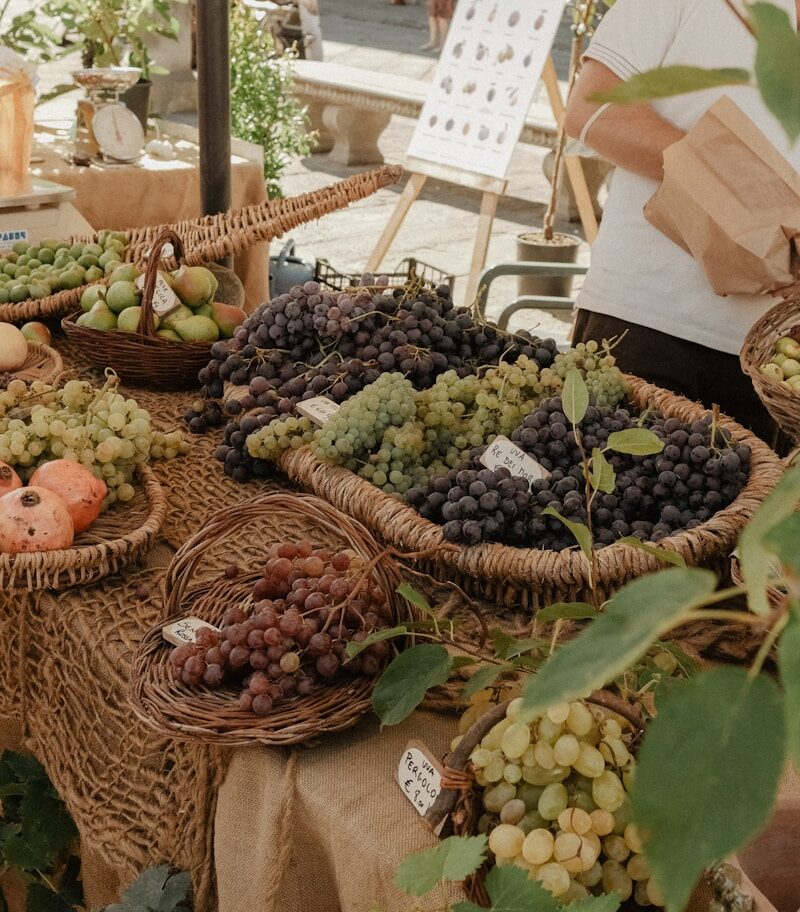
One of the most popular ways to sell locally-grown produce is through farmers markets. Farmers markets are a great way to connect with consumers and build relationships with local customers. To maximize your sales at farmers markets, be sure to display your produce attractively, offer samples to customers, and provide information about your farm and growing practices.
Community Supported Agriculture (CSA)
Another option for selling locally-grown produce is through a Community Supported Agriculture (CSA) program. With a CSA, customers can purchase a share of your harvest in advance and receive a weekly or monthly box of fresh produce. This model can help you secure sales in advance and build a loyal customer base.
Retail Partnerships
Partnering with local grocery stores, restaurants, and other retail outlets can also help you sell your locally-grown produce. By working with these partners, you can reach a larger audience and increase your sales volume. Be sure to establish strong relationships with your retail partners and provide them with high-quality produce and reliable delivery services.
Online Sales
In addition to selling your produce at farmers markets and through retail partnerships, you can also sell your products online. Setting up an online store or selling through online platforms can help you reach customers who may not be able to visit your farm in person. Be sure to promote your online store through social media and other marketing channels to attract customers to your products.
Conclusion
Growing and selling locally-sourced produce can be a rewarding and profitable venture for farmers. By following the expert tips outlined in this article, you can increase your chances of success and build a thriving business selling fresh, high-quality produce to local consumers. Whether you choose to sell your products at farmers markets, through a CSA program, or online, there are many opportunities to connect with customers and build a loyal following for your farm-fresh produce.
Remember to focus on selecting the right crops, preparing your soil, providing proper care for your plants, and implementing effective marketing strategies to maximize your sales and grow your business. With dedication, hard work, and a passion for farming, you can achieve success in growing and selling locally-sourced produce for market success.