From Seed to Table: A Beginner’s Guide to Starting Your Own Organic Vegetable Garden at Home
Are you interested in growing your own organic vegetables but don’t know where to start? Starting an organic vegetable garden at home can be a rewarding and fulfilling experience. Not only will you have access to fresh, nutritious produce right at your fingertips, but you’ll also be reducing your carbon footprint and promoting sustainability. In this beginner’s guide, we’ll take you through the process of starting your own organic vegetable garden from seed to table.
Benefits of Growing Your Own Organic Vegetables
There are numerous benefits to growing your own organic vegetables at home. Here are just a few:
- Access to fresh, nutritious produce
- Reduced carbon footprint
- Promotion of sustainability
- Cost savings
- Control over what goes into your food
Choosing the Right Location
The first step in starting your own organic vegetable garden is to choose the right location. Most vegetables require at least 6-8 hours of sunlight per day, so it’s important to select a spot in your yard that receives adequate sunlight. Additionally, make sure the area has good drainage and is easily accessible for watering and maintenance.
Preparing the Soil
Once you’ve chosen a location for your garden, it’s time to prepare the soil. Organic vegetables thrive in nutrient-rich soil, so it’s important to amend your soil with compost or organic fertilizer before planting. You can also perform a soil test to determine the pH level and nutrient content of your soil to ensure optimal growing conditions for your vegetables.
Choosing Your Vegetables
When choosing which vegetables to plant in your garden, consider factors such as your climate, growing season, and personal preferences. Some beginner-friendly vegetables to consider planting include tomatoes, cucumbers, carrots, and lettuce. Make sure to research the specific growing requirements for each vegetable to ensure a successful harvest.
Planting Your Seeds
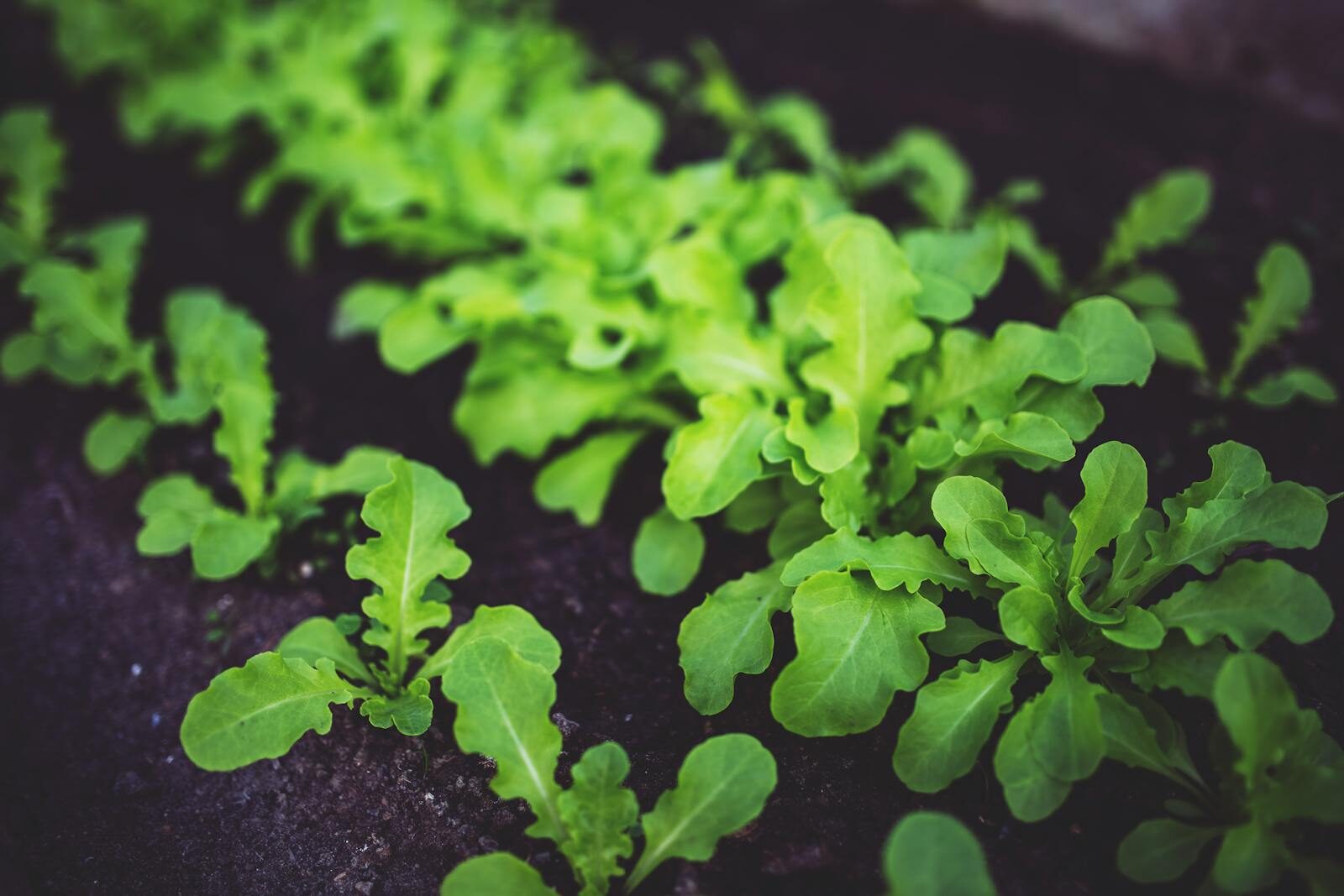
Now that you’ve prepared your soil and chosen your vegetables, it’s time to plant your seeds. Follow the planting instructions on the seed packet for each vegetable and be sure to space your seeds according to the recommended guidelines. Water your seeds regularly and monitor their growth to ensure they are thriving in their new environment.
Maintaining Your Garden
Once your vegetables have sprouted, it’s important to maintain your garden to ensure a successful harvest. This includes watering your plants regularly, removing weeds, and protecting your garden from pests and diseases. Consider using organic pest control methods to keep your garden free from harmful chemicals.
Harvesting Your Vegetables
After weeks of care and maintenance, it’s time to harvest your vegetables. Most vegetables are ready to be harvested when they are ripe and have reached their full size. Use a sharp knife or scissors to carefully remove the vegetables from the plant, being careful not to damage the plant itself. Enjoy the fruits of your labor by incorporating your fresh, organic vegetables into your meals.
Common Questions About Starting an Organic Vegetable Garden
Here are some common questions about starting an organic vegetable garden:
1. What tools do I need to start a vegetable garden?
To start a vegetable garden, you’ll need basic gardening tools such as a shovel, rake, trowel, and watering can. You may also want to invest in a compost bin, gardening gloves, and a garden hose for maintenance.
2. How often should I water my vegetable garden?
Most vegetables require at least 1-2 inches of water per week, either from rainfall or manual watering. Be sure to water your garden deeply and evenly to ensure the roots receive adequate moisture.
3. How do I prevent pests and diseases in my vegetable garden?
To prevent pests and diseases in your vegetable garden, consider using organic pest control methods such as companion planting, crop rotation, and natural predators. You can also inspect your plants regularly for signs of pests or diseases and take action promptly to prevent further damage.
Conclusion
Starting your own organic vegetable garden at home is a rewarding and fulfilling experience that allows you to have access to fresh, nutritious produce right in your own backyard. By following the steps outlined in this beginner’s guide, you can successfully grow your own organic vegetables from seed to table. Remember to choose the right location, prepare the soil, choose your vegetables wisely, plant your seeds, maintain your garden, and enjoy the fruits of your labor by harvesting your fresh, organic vegetables.
With a little time, effort, and dedication, you can create a thriving organic vegetable garden that provides you with a bountiful harvest year after year. Happy gardening!