Building a Sustainable Future: Exploring Green Roofing Options for Eco-Friendly Homes
In today’s world, the importance of sustainability and eco-friendliness has never been more critical. With climate change becoming an increasingly pressing issue, it is crucial for individuals and businesses to make environmentally conscious decisions in every aspect of their lives. One area where sustainability can make a significant impact is in the construction and design of homes. Green roofing is an excellent way to enhance the sustainability of a building while also providing numerous benefits for both the environment and the homeowner.
What is Green Roofing?
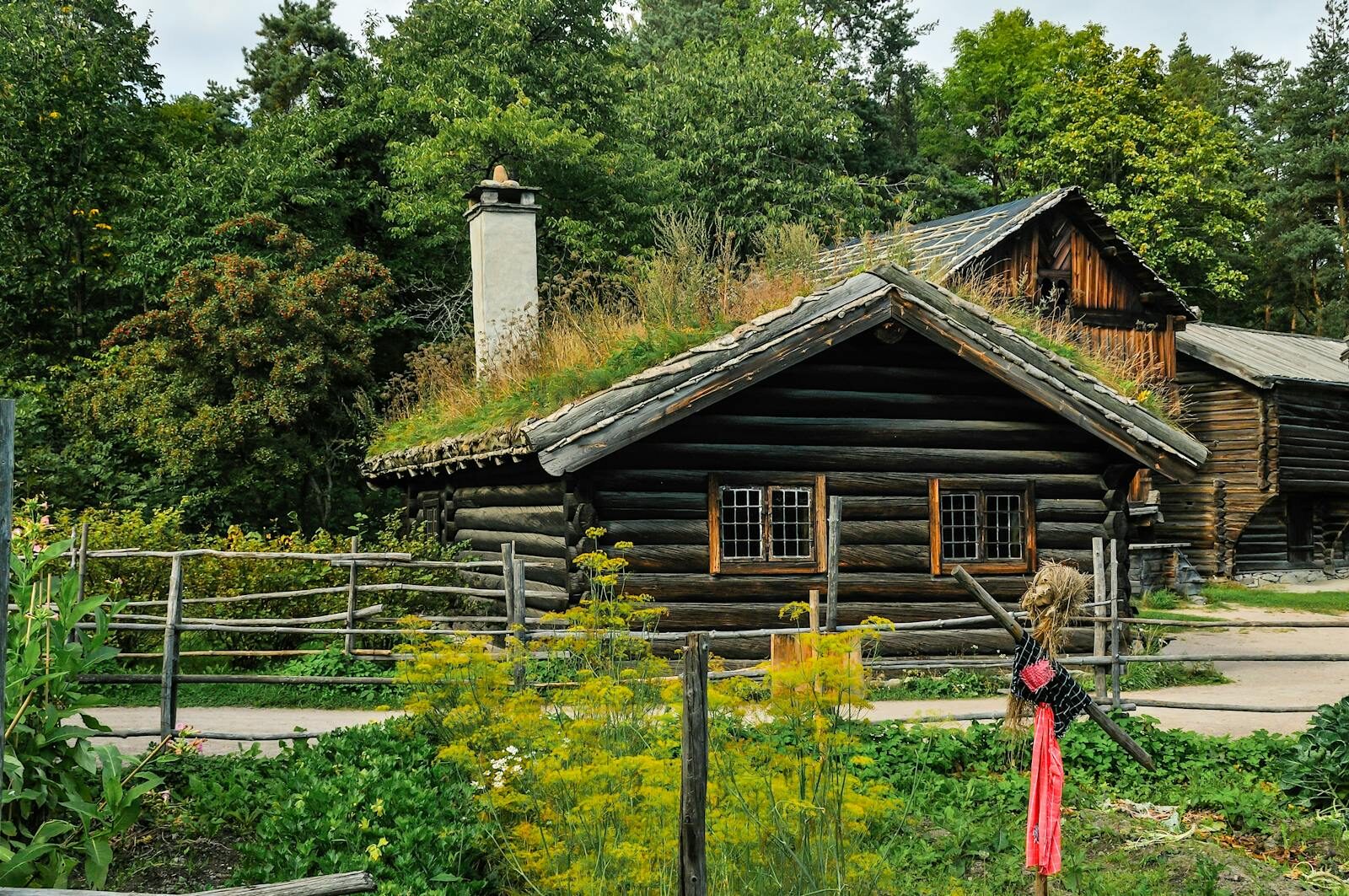
Green roofing, also known as eco-roofing or living roofing, involves the installation of a layer of vegetation on the roof of a building. This vegetation can include grasses, plants, flowers, and even small trees, creating a natural, green space on the roof. Green roofs can be installed on a wide range of buildings, from residential homes to commercial buildings, and offer a variety of benefits for both the building and the environment.
Benefits of Green Roofing
Green roofing offers numerous benefits for both the environment and the homeowner. Some of the key advantages of green roofing include:
1. Environmental Benefits
Green roofs help to reduce the urban heat island effect by absorbing heat and providing insulation, which can help to lower energy costs and reduce greenhouse gas emissions. They also help to improve air quality by filtering pollutants and capturing carbon dioxide, while also providing habitat for birds, insects, and other wildlife.
2. Energy Efficiency
Green roofs can significantly improve the energy efficiency of a building by providing natural insulation that helps to regulate indoor temperatures. This can help to reduce heating and cooling costs, leading to lower energy bills and a reduced carbon footprint.
3. Stormwater Management
Green roofs can help to manage stormwater runoff by absorbing rainwater and reducing the amount of water that flows into storm drains. This can help to prevent flooding and reduce the risk of water pollution, while also helping to replenish groundwater supplies.
4. Extended Roof Lifespan
Green roofs can help to protect the underlying roof membrane from the elements, extending the lifespan of the roof and reducing the need for costly repairs and replacements. This can help to save money in the long run and reduce waste from discarded roofing materials.
Types of Green Roofing
There are several different types of green roofing systems, each offering unique benefits and features. Some of the most common types of green roofing include:
1. Extensive Green Roofs
Extensive green roofs are lightweight and low-maintenance, typically consisting of a thin layer of vegetation such as sedum or grasses. These roofs are well-suited for residential homes and can provide insulation and stormwater management benefits.
2. Intensive Green Roofs
Intensive green roofs are more substantial and require more maintenance, but they can support a wider variety of vegetation, including trees and shrubs. These roofs are often used on commercial buildings and can provide additional green space for recreational activities.
3. Modular Green Roofs
Modular green roofs consist of pre-planted trays or modules that can be easily installed and replaced, making them a convenient option for homeowners who want to add a green roof to their existing structure. These roofs are versatile and can be customized to suit a variety of needs.
Choosing the Right Green Roofing System
When considering green roofing options for your home, it is essential to choose the right system based on your specific needs and preferences. Factors to consider when selecting a green roofing system include:
1. Climate
Different green roofing systems are better suited for different climates, so it is essential to consider the local climate conditions when choosing a system. Extensive green roofs, for example, are well-suited for hot, dry climates, while intensive green roofs may be better for cooler, wetter climates.
2. Maintenance
Consider how much time and effort you are willing to invest in maintaining your green roof. Extensive green roofs require minimal maintenance, while intensive green roofs may require more frequent care to keep the vegetation healthy and thriving.
3. Budget
Green roofing systems can vary significantly in cost, so it is essential to consider your budget when selecting a system. Extensive green roofs are generally more affordable than intensive green roofs, making them a popular choice for homeowners on a budget.
4. Aesthetics
Consider the aesthetic appeal of the green roofing system and how it will complement the overall design of your home. Choose vegetation that will enhance the beauty of your roof while also providing the desired environmental benefits.
Conclusion
Green roofing is an excellent way to enhance the sustainability of a building while also providing numerous benefits for both the environment and the homeowner. By choosing the right green roofing system based on your specific needs and preferences, you can create a beautiful, eco-friendly home that is energy-efficient, environmentally friendly, and cost-effective. Consider incorporating green roofing into your next construction or renovation project to help build a sustainable future for generations to come.