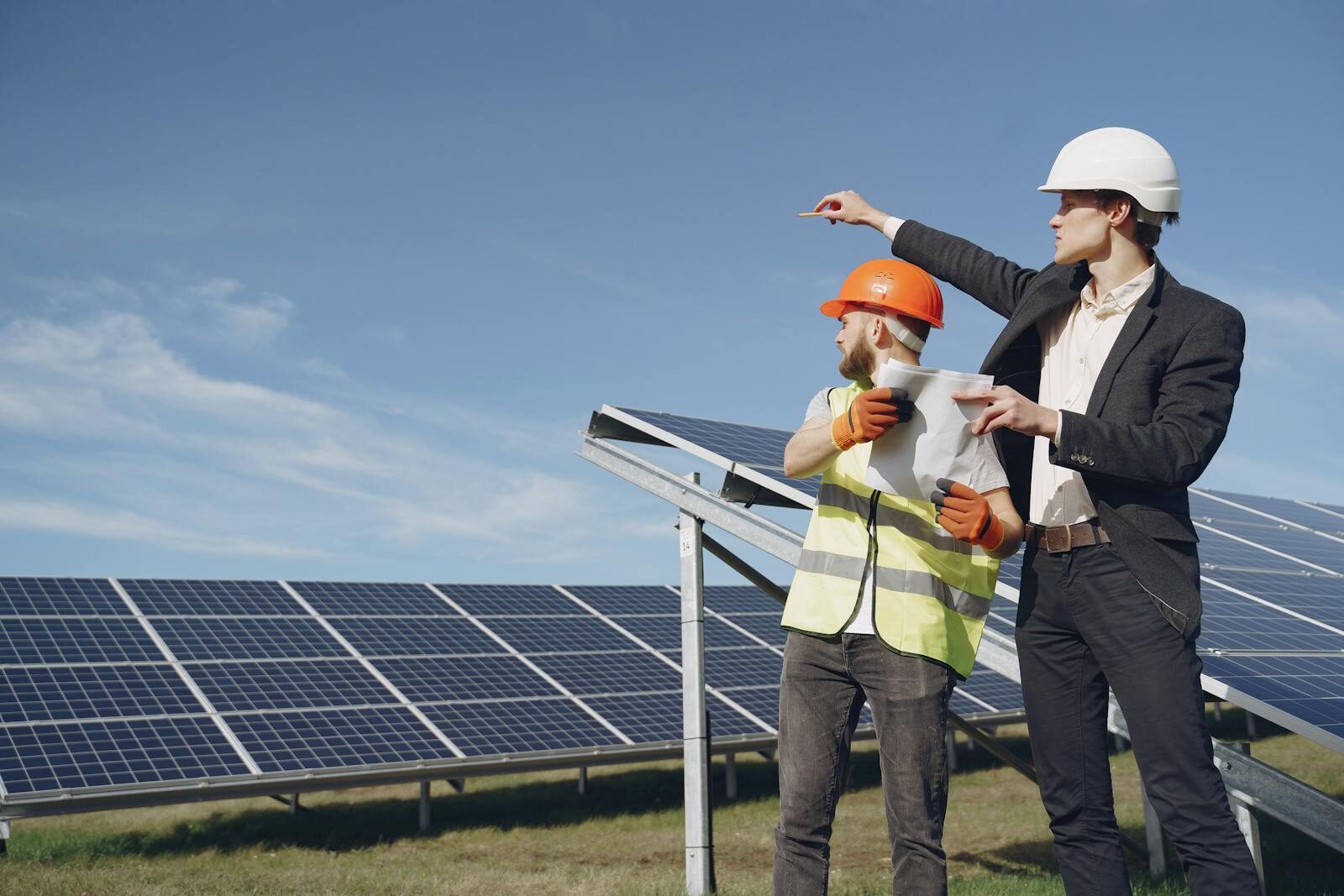
Empowering Our Community: A Guide to Launching a Successful Solar Project
In today’s world, the need for sustainable energy solutions is more important than ever. As communities look for ways to reduce their carbon footprint and lower their energy costs, solar power has emerged as a popular and effective option. By harnessing the power of the sun, communities can generate clean, renewable energy that is both environmentally friendly and cost-effective. In this guide, we will explore the steps involved in launching a successful solar project in your community, empowering you to make a positive impact on the environment and your bottom line.
Why Go Solar?
Before diving into the details of launching a solar project, it’s important to understand why solar power is such a valuable investment for communities. Solar power offers a number of benefits, including:
- Cost savings: By generating your own electricity from the sun, you can reduce your reliance on expensive utility companies and lower your energy bills.
- Environmental impact: Solar power is a clean, renewable energy source that produces no greenhouse gas emissions, making it a sustainable choice for communities looking to reduce their carbon footprint.
- Energy independence: By generating your own electricity, you can become less reliant on external sources of energy, giving your community greater control over its energy supply.
Getting Started
Launching a successful solar project requires careful planning and coordination. Here are some key steps to consider as you begin the process:
1. Conduct a Feasibility Study
Before embarking on a solar project, it’s important to assess the feasibility of the project. This involves evaluating factors such as the location of the solar installation, the amount of sunlight the site receives, and the potential financial savings of going solar. A feasibility study will help you determine whether a solar project is a viable option for your community.
2. Secure Funding
Solar projects can require a significant upfront investment, so securing funding is a crucial step in the process. There are a variety of funding options available for solar projects, including grants, loans, and incentives from government agencies and utility companies. By exploring all of your funding options, you can ensure that your solar project is financially sustainable.
3. Select a Solar Provider
Choosing the right solar provider is essential to the success of your project. Look for a provider with a track record of successful installations, competitive pricing, and excellent customer service. By partnering with a reputable solar provider, you can ensure that your project is completed on time and on budget.
Installation and Maintenance
Once you have completed the planning phase of your solar project, it’s time to move on to installation and maintenance. Here are some key considerations to keep in mind:
1. Installation
During the installation phase, your solar provider will install the solar panels on your property and connect them to your electrical system. This process typically takes a few days to complete, depending on the size of the installation. Once the panels are installed, you can begin generating clean, renewable energy for your community.
2. Maintenance
Regular maintenance is essential to ensuring the long-term success of your solar project. This includes cleaning the solar panels, checking for any damage or wear, and monitoring the performance of the system. By staying on top of maintenance tasks, you can prolong the life of your solar panels and maximize their energy production.
Benefits of Community Solar
Community solar projects offer a number of benefits for communities of all sizes. By pooling resources and sharing the benefits of solar power, community solar projects can make solar energy accessible to a wider range of people. Some of the key benefits of community solar include:
- Lower costs: By sharing the costs of a solar installation, community members can enjoy the financial benefits of solar power without the high upfront costs of an individual installation.
- Increased accessibility: Community solar projects make it possible for renters, homeowners with shaded roofs, and others who may not be able to install solar panels on their property to access clean, renewable energy.
- Community engagement: Community solar projects can bring people together around a common goal, fostering a sense of community and cooperation.
Conclusion
Launching a successful solar project in your community is a rewarding and impactful endeavor. By following the steps outlined in this guide, you can empower your community to generate clean, renewable energy and reduce its carbon footprint. With careful planning, coordination, and maintenance, your solar project can become a valuable asset for your community for years to come.
By harnessing the power of the sun, communities can take control of their energy future and make a positive impact on the environment. With the right planning and resources, launching a successful solar project is within reach for communities of all sizes. Empower your community to go solar today and reap the benefits of clean, renewable energy for years to come.