Reviving the Land: A Guide to Sustainable Regenerative Agriculture for Small Farms
Small farms play a crucial role in our food system, providing healthy, locally grown produce to communities across the country. However, many small farmers struggle to make a living while also trying to protect the environment and promote biodiversity. Sustainable regenerative agriculture offers a solution to these challenges, revitalizing the land and increasing the resilience of small farms.
The Importance of Sustainable Regenerative Agriculture
Sustainable regenerative agriculture is a holistic approach to farming that focuses on restoring and improving the health of the land. By using practices that mimic natural ecosystems and support biodiversity, regenerative farmers can increase soil fertility, reduce erosion, and sequester carbon. This not only benefits the environment but also improves the quality of the food produced.
Key Principles of Regenerative Agriculture
There are several key principles that guide regenerative agriculture practices:
- Minimal tillage: Tilling the soil can disrupt the natural ecosystem and lead to erosion. Regenerative farmers minimize tillage to preserve soil structure and prevent erosion.
- Cover cropping: Planting cover crops helps to protect the soil from erosion, suppress weeds, and improve soil fertility. Cover crops also provide habitat for beneficial insects and microbes.
- Rotational grazing: Rotating livestock through different paddocks allows grasslands to recover and prevents overgrazing. This promotes healthy soil and grass growth.
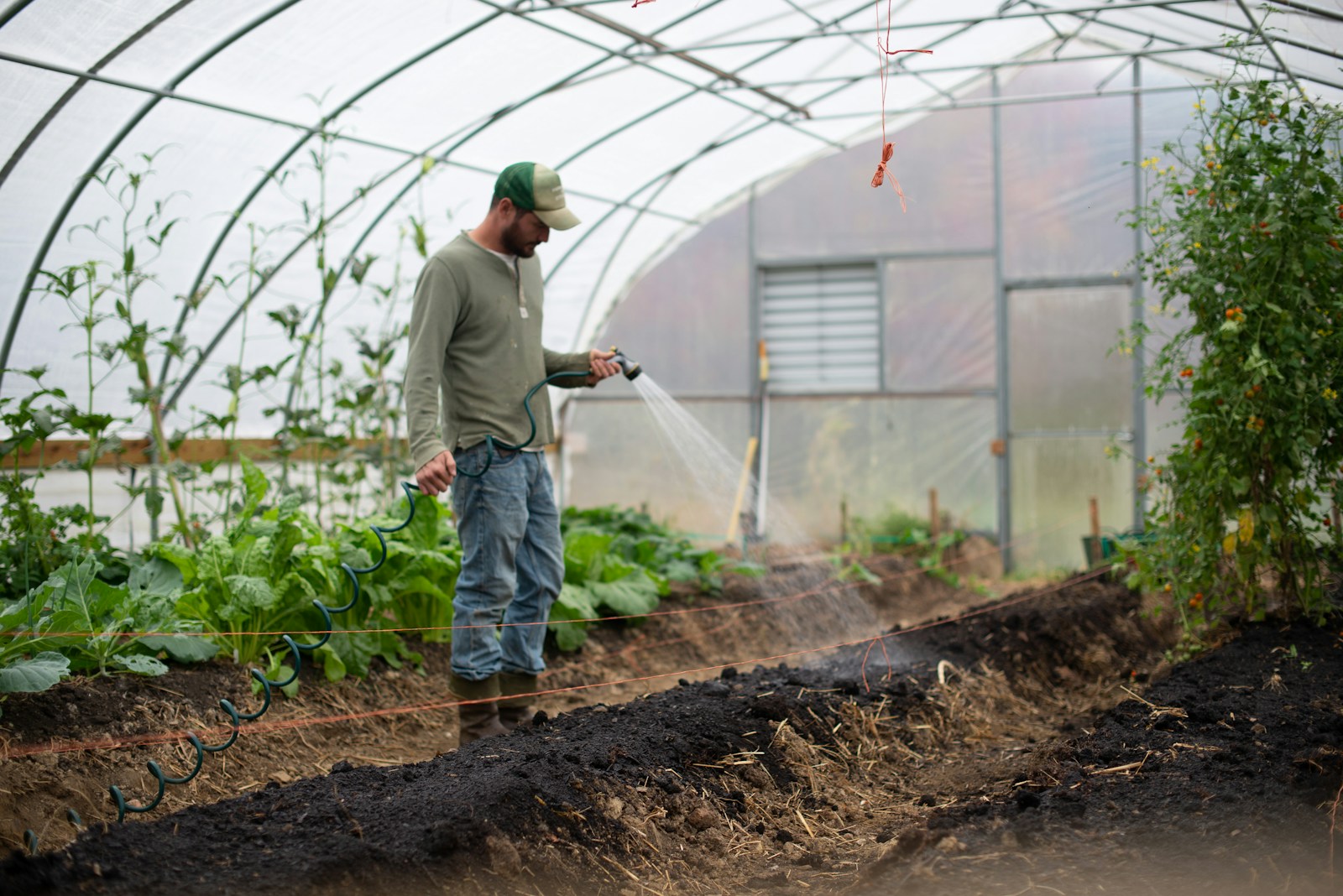
- Compost and organic matter: Adding compost and organic matter to the soil helps to improve soil structure, increase fertility, and support microbial activity.
Getting Started with Regenerative Agriculture
If you’re a small farmer looking to transition to regenerative agriculture, there are several steps you can take to get started:
Assess your land
Before implementing regenerative practices, it’s important to assess the health of your land. Conduct soil tests to determine nutrient levels and pH, and identify areas that may be prone to erosion or compaction.
Develop a plan
Once you have a better understanding of your land, develop a regenerative agriculture plan that outlines the practices you will implement and the goals you hope to achieve. Consider factors such as crop rotation, cover cropping, and livestock integration.
Start small
Transitioning to regenerative agriculture can be a gradual process. Start by implementing one or two practices on a small scale and gradually expand as you gain experience and see positive results.
Common Questions About Regenerative Agriculture
Is regenerative agriculture more labor-intensive than conventional farming?
While some regenerative practices may require more labor initially, they can ultimately reduce the need for inputs such as fertilizers and pesticides. Over time, regenerative agriculture can lead to healthier, more resilient soils that require less maintenance.
Can regenerative agriculture be profitable for small farmers?
Yes, regenerative agriculture can be profitable for small farmers. By improving soil health and reducing input costs, regenerative practices can increase yields and quality of produce. Additionally, there is a growing demand for sustainably grown food, which can command higher prices in the market.
How can regenerative agriculture help mitigate climate change?
Regenerative agriculture has the potential to sequester carbon in the soil, helping to mitigate climate change. By increasing soil organic matter and using practices that promote carbon sequestration, regenerative farmers can play a key role in reducing greenhouse gas emissions.
Conclusion
Reviving the land through sustainable regenerative agriculture is not only beneficial for the environment but also for small farmers looking to improve the health and resilience of their farms. By implementing practices that support soil health, biodiversity, and carbon sequestration, small farmers can increase the sustainability and profitability of their operations. With the right knowledge and support, regenerative agriculture offers a promising future for small farms across the country.