Harnessing the Earth’s Power: A Guide to Utilizing Geothermal Energy in Your Home
Geothermal energy is a renewable and sustainable source of power that harnesses the heat generated from the Earth’s core. By tapping into this natural resource, homeowners can reduce their reliance on traditional energy sources and lower their carbon footprint. In this guide, we will explore the benefits of geothermal energy, how it works, and steps to incorporating it into your home.
The Benefits of Geothermal Energy
There are numerous benefits to utilizing geothermal energy in your home. One of the main advantages is its sustainability. Unlike fossil fuels, which are finite resources, geothermal energy is renewable and will never run out. This makes it a reliable and long-term solution for powering your home.
Geothermal energy is also environmentally friendly. It produces minimal greenhouse gas emissions, making it a clean energy source that helps combat climate change. By reducing your reliance on fossil fuels, you can significantly decrease your carbon footprint and contribute to a healthier planet.
Another benefit of geothermal energy is its cost-effectiveness. While the initial installation of a geothermal system may be more expensive than traditional heating and cooling systems, the long-term savings on energy bills can be substantial. Geothermal systems are highly efficient and can significantly reduce your monthly energy costs.
How Geothermal Energy Works
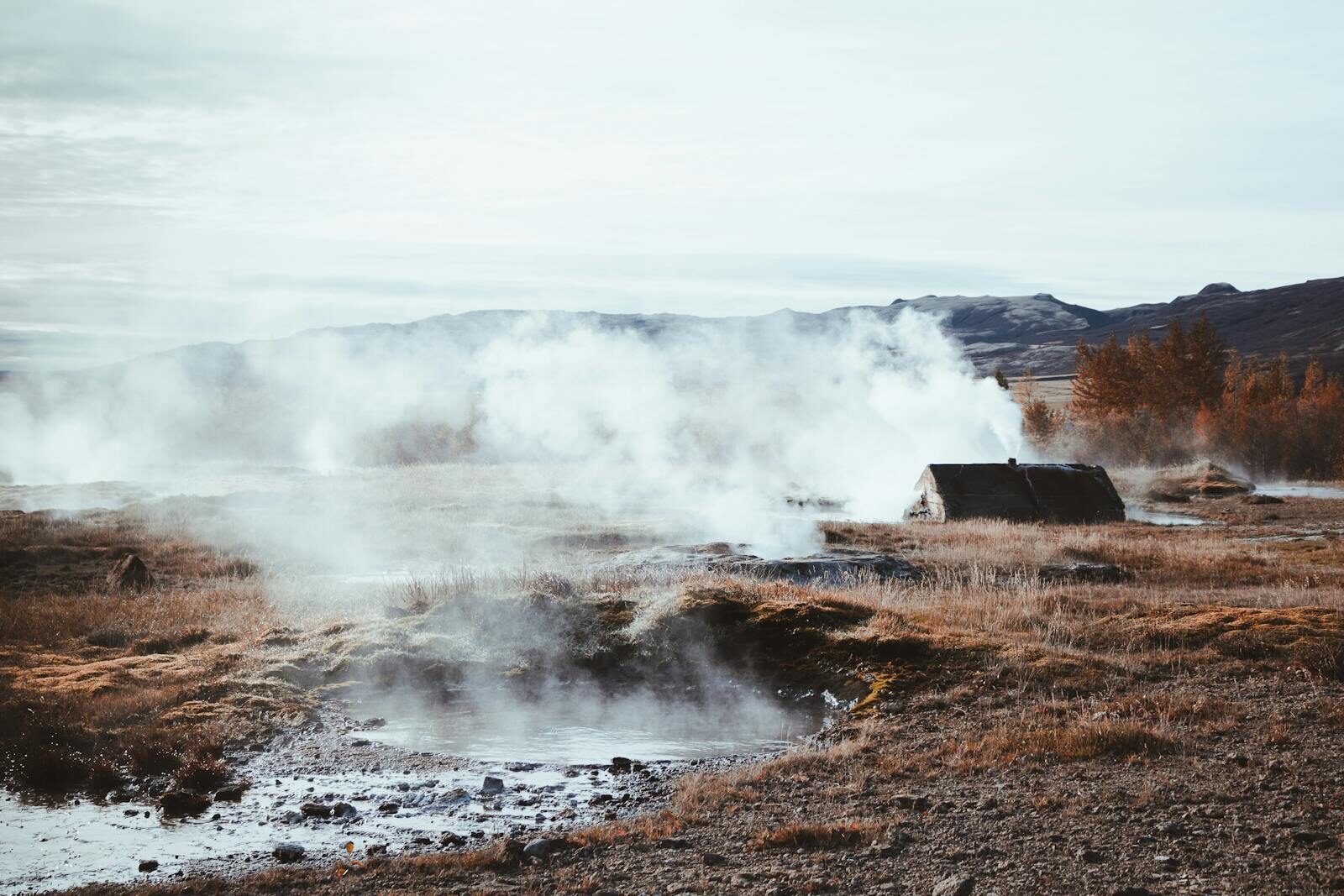
Geothermal energy works by harnessing the heat stored beneath the Earth’s surface. The Earth’s core is incredibly hot, with temperatures reaching up to 9,000 degrees Fahrenheit. This heat radiates outwards towards the Earth’s crust, creating geothermal reservoirs of hot water and steam.
Geothermal systems utilize this heat by pumping water or a refrigerant through a series of pipes buried underground. As the liquid travels through the pipes, it absorbs the heat from the Earth and carries it back to the surface. This heat is then used to warm your home in the winter or cool it in the summer.
Installing a Geothermal System in Your Home
Installing a geothermal system in your home requires careful planning and consideration. The first step is to assess your property to determine if it is suitable for a geothermal system. Factors such as soil type, land size, and local climate can all impact the feasibility of a geothermal installation.
Next, you will need to work with a qualified geothermal contractor to design and install your system. The contractor will help you determine the size and type of system that best fits your home’s needs. They will also handle the drilling and installation of the underground pipes, as well as the connection to your home’s heating and cooling systems.
Once your geothermal system is installed, it will require regular maintenance to ensure optimal performance. This includes annual inspections, filter changes, and occasional repairs. With proper care and maintenance, a geothermal system can last for up to 25 years or more.
Common Questions About Geothermal Energy
1. Is geothermal energy suitable for all homes?
Geothermal energy is suitable for most homes, but certain factors such as property size and soil type can impact its feasibility. It is best to consult with a geothermal contractor to determine if your home is a good candidate for a geothermal system.
2. How much does a geothermal system cost?
The cost of a geothermal system can vary depending on the size of your home, the type of system you choose, and your location. On average, a geothermal system can cost between $10,000 and $30,000 to install. However, the long-term savings on energy bills can offset this initial cost.
3. Can I use geothermal energy to heat and cool my home?
Yes, geothermal systems can be used to both heat and cool your home. In the winter, the system extracts heat from the Earth to warm your home, while in the summer, it removes heat from your home and releases it back into the ground.
Conclusion
Geothermal energy is a sustainable and cost-effective solution for powering your home. By harnessing the Earth’s natural heat, you can reduce your reliance on traditional energy sources and lower your carbon footprint. With careful planning and installation, a geothermal system can provide reliable heating and cooling for years to come.
If you are considering incorporating geothermal energy into your home, consult with a qualified geothermal contractor to assess your property and design a system that meets your needs. With the right system in place, you can enjoy the benefits of geothermal energy while contributing to a cleaner and greener planet.