In recent years, the concept of smart homes has gained significant popularity among homeowners looking to enhance convenience, efficiency, and sustainability. Smart homes are equipped with cutting-edge technologies that allow residents to control various aspects of their home environment remotely, using smartphones or other devices. From lighting and heating to security systems and appliances, smart homes offer a range of benefits that can improve quality of life and reduce energy consumption.
One of the key challenges facing smart homes is the need for sustainable energy sources to power these advanced technologies. Traditional energy sources such as fossil fuels are not only harmful to the environment but also contribute to rising energy costs. As a result, there is a growing demand for clean energy technologies that can power smart homes in a more sustainable and cost-effective manner.
The Importance of Clean Energy Technologies
Clean energy technologies, such as solar panels, wind turbines, and geothermal systems, are essential for powering the future of smart homes. These technologies harness renewable sources of energy, such as sunlight, wind, and heat from the earth, to generate electricity and heat. By utilizing clean energy technologies, homeowners can reduce their reliance on traditional energy sources and lower their carbon footprint.
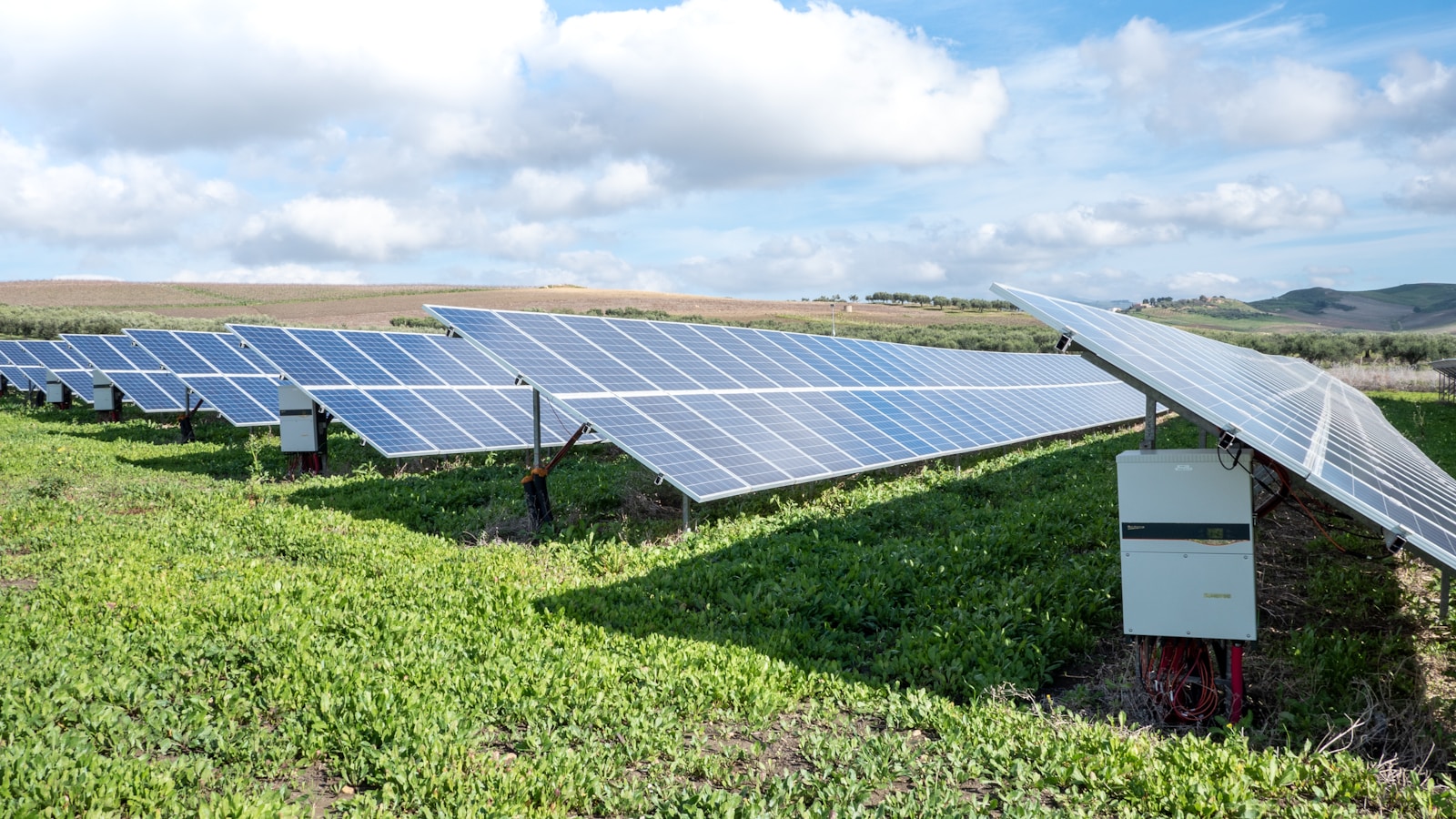
Solar panels, in particular, have become increasingly popular among homeowners seeking to power their smart homes with clean energy. Solar panels convert sunlight into electricity, which can be used to power lighting, heating, and appliances in the home. In addition to reducing energy costs, solar panels can also increase the value of a property and provide a reliable source of energy in the event of power outages.
Wind turbines are another clean energy technology that can be used to power smart homes. Wind turbines generate electricity by harnessing the kinetic energy of the wind, which can then be stored in batteries or used to power appliances directly. While wind turbines are more commonly used in rural areas with ample wind resources, they can also be installed in urban environments to supplement other sources of clean energy.
Geothermal systems are a third option for powering smart homes with clean energy. Geothermal systems utilize the heat stored in the earth to provide heating and cooling for homes. By circulating water through pipes buried underground, geothermal systems can extract heat in the winter and dissipate heat in the summer, reducing the need for traditional heating and cooling systems.
The Benefits of Clean Energy for Smart Homes
There are numerous benefits to powering smart homes with clean energy technologies. One of the primary advantages is the reduction in energy costs. By generating electricity from renewable sources, homeowners can significantly lower their energy bills and protect themselves from fluctuating energy prices.
In addition to cost savings, clean energy technologies can also improve the overall sustainability of smart homes. By reducing reliance on fossil fuels, clean energy technologies help to lower greenhouse gas emissions and combat climate change. This can have a positive impact on the environment and contribute to a more sustainable future for generations to come.
Another benefit of clean energy for smart homes is increased energy independence. By generating electricity on-site using solar panels, wind turbines, or geothermal systems, homeowners can reduce their dependence on the grid and ensure a reliable source of energy even during power outages. This level of energy independence provides peace of mind and security for homeowners, especially in regions prone to severe weather events.
Overcoming Challenges in Implementing Clean Energy Technologies
While the benefits of clean energy for smart homes are clear, there are some challenges to overcome when implementing these technologies. One of the main barriers is the upfront cost of installing solar panels, wind turbines, or geothermal systems. While the long-term savings can outweigh the initial investment, many homeowners may be hesitant to commit to clean energy technologies due to the high upfront costs.
Another challenge is the integration of clean energy technologies with existing smart home systems. Smart homes rely on interconnected devices and sensors to automate and control various functions, such as lighting, heating, and security. Integrating clean energy technologies with these systems can be complex and require specialized expertise to ensure seamless operation.
Regulatory barriers can also pose challenges for homeowners looking to implement clean energy technologies in their smart homes. Local building codes and zoning regulations may restrict the installation of solar panels or wind turbines, making it difficult for homeowners to take advantage of these technologies. In some cases, financial incentives and rebates may be available to offset the cost of clean energy installations and encourage adoption.
The Future of Smart Homes with Clean Energy Technologies
Despite these challenges, the future of smart homes powered by clean energy technologies looks promising. Advances in technology and declining costs are making clean energy more accessible to homeowners, making it easier to transition to a sustainable energy future. Innovations such as energy storage systems and smart grid technologies are also improving the efficiency and reliability of clean energy systems, making them more attractive for homeowners.
As the demand for sustainable energy sources continues to grow, policymakers and industry stakeholders are taking steps to promote the adoption of clean energy technologies in smart homes. Incentive programs, tax credits, and grants are available to support homeowners in making the switch to clean energy and reduce their environmental impact. Collaborations between utilities, manufacturers, and technology providers are also driving innovation in clean energy technologies and making them more affordable and accessible to consumers.