Harvesting Harmony: Enhancing Biodiversity in Sustainable Agriculture
In recent years, there has been a growing recognition of the importance of biodiversity in sustainable agriculture. Biodiversity refers to the variety and variability of living organisms in a specific area, and it plays a crucial role in maintaining ecosystem health and resilience. By enhancing biodiversity in agriculture, farmers can create more resilient and productive systems that are better able to adapt to changing environmental conditions. In this article, we will explore the benefits of biodiversity in agriculture and discuss strategies for enhancing biodiversity on the farm.
The Benefits of Biodiversity in Agriculture
There are numerous benefits to enhancing biodiversity in agriculture. One of the key benefits is increased resilience to pests and diseases. In a diverse ecosystem, there are more natural predators and competitors for pests, which can help to keep pest populations in check. This reduces the need for synthetic pesticides, which can have harmful effects on the environment and human health.
Another benefit of biodiversity in agriculture is improved soil health. Different plant species have different root structures and nutrient requirements, which can help to improve soil structure and fertility. By planting a variety of crops, farmers can help to build healthy, nutrient-rich soils that are better able to support plant growth.
Biodiversity in agriculture also promotes pollination and natural pest control. Many crops rely on pollinators such as bees and butterflies to reproduce, and a diverse ecosystem can provide a habitat for these important pollinators. In addition, by providing a diverse range of habitats for natural enemies of pests, farmers can reduce the need for chemical pest control.
Strategies for Enhancing Biodiversity in Agriculture
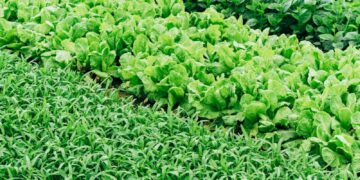
There are several strategies that farmers can use to enhance biodiversity on their farms. One of the most important strategies is crop diversification. By planting a variety of crops, farmers can create a more diverse ecosystem that supports a wider range of plant and animal species. Crop rotation is one way to achieve this, as it can help to break pest cycles and improve soil health.
Another important strategy is the use of cover crops. Cover crops are plants that are grown in between cash crops to help protect the soil, improve soil health, and provide habitat for beneficial insects. Cover crops can also help to suppress weeds and reduce the need for synthetic herbicides.
Agroforestry is another strategy for enhancing biodiversity in agriculture. Agroforestry involves planting trees and shrubs alongside crops, which can help to provide habitat for wildlife, improve soil health, and sequester carbon. Agroforestry systems can also provide additional sources of income for farmers, such as timber, fruits, and nuts.
Common Questions About Biodiversity in Agriculture
What is the importance of biodiversity in agriculture?
Biodiversity in agriculture is important for maintaining ecosystem health and resilience. By enhancing biodiversity on the farm, farmers can create more resilient and productive systems that are better able to adapt to changing environmental conditions.
How can farmers enhance biodiversity on their farms?
Farmers can enhance biodiversity on their farms by using strategies such as crop diversification, cover cropping, and agroforestry. By planting a variety of crops, using cover crops, and planting trees and shrubs alongside crops, farmers can create a more diverse ecosystem that supports a wider range of plant and animal species.
What are the benefits of biodiversity in agriculture?
Some of the benefits of biodiversity in agriculture include increased resilience to pests and diseases, improved soil health, and promotion of pollination and natural pest control. By enhancing biodiversity on the farm, farmers can reduce the need for synthetic inputs and create healthier, more sustainable farming systems.
Conclusion
Enhancing biodiversity in agriculture is essential for creating more sustainable and resilient farming systems. By using strategies such as crop diversification, cover cropping, and agroforestry, farmers can create diverse ecosystems that support a wide range of plant and animal species. Biodiversity in agriculture helps to promote soil health, reduce the need for synthetic inputs, and enhance ecosystem services such as pollination and natural pest control. By implementing these strategies, farmers can create more sustainable and productive farming systems that benefit both the environment and human health.