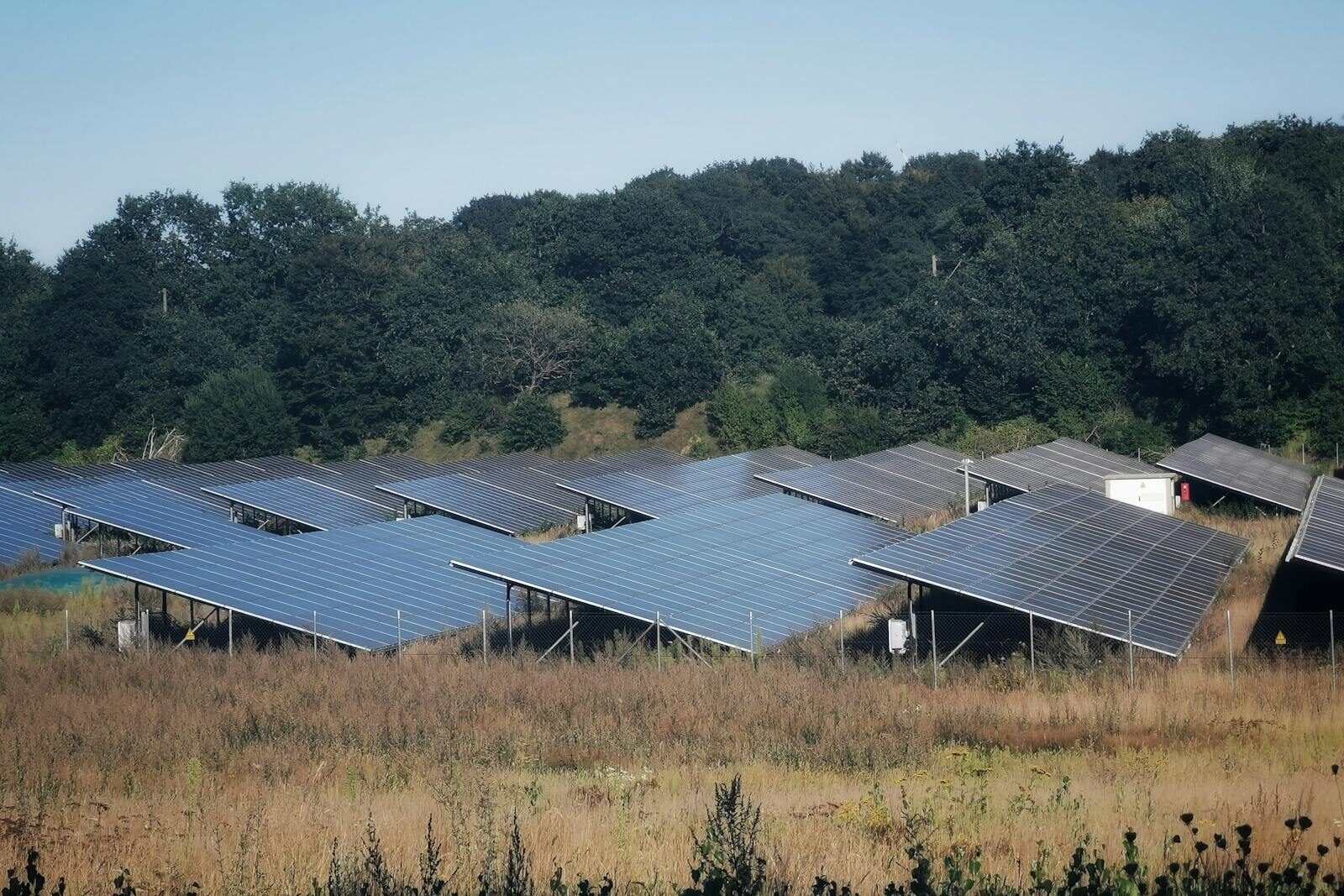
Empowering the Outback: Off-Grid Solar Solutions for Remote Living
Living in remote areas can be a rewarding experience, but it also comes with its challenges. One of the biggest challenges faced by those living off-grid in the outback is access to reliable and affordable electricity. Traditional power grids often do not reach these remote areas, leaving residents with limited options for powering their homes and businesses. However, advancements in solar technology have made off-grid solar solutions a viable and sustainable option for those living in the outback.
The Benefits of Off-Grid Solar Solutions
Off-grid solar solutions offer a number of benefits for those living in remote areas. Here are some of the key advantages:
1. Energy Independence
One of the biggest advantages of off-grid solar solutions is energy independence. By generating your own electricity from the sun, you are no longer reliant on traditional power grids. This means you can have power even in the most remote locations, without having to worry about power outages or disruptions.
2. Cost Savings
Off-grid solar solutions can also lead to significant cost savings over time. While there is an initial investment required to install a solar system, the long-term savings on electricity bills can be substantial. In addition, many governments offer incentives and rebates for installing solar panels, further reducing the upfront costs.
3. Environmental Benefits
Generating electricity from the sun is a clean and renewable energy source, making off-grid solar solutions an environmentally friendly option. By reducing your reliance on fossil fuels, you can help reduce greenhouse gas emissions and combat climate change.
Common Questions About Off-Grid Solar Solutions
Here are some common questions that people living in the outback may have about off-grid solar solutions:
1. How do off-grid solar systems work?
Off-grid solar systems work by capturing sunlight using solar panels, which convert the sunlight into electricity through a process called the photovoltaic effect. This electricity is then stored in batteries for use when the sun is not shining, such as at night or on cloudy days.
2. How much does it cost to install an off-grid solar system?
The cost of installing an off-grid solar system can vary depending on the size of the system and the specific requirements of your property. However, on average, the cost of a residential off-grid solar system can range from $10,000 to $30,000. It is important to consider the long-term savings on electricity bills when calculating the return on investment.
3. How long do off-grid solar systems last?
Most off-grid solar systems are designed to last for 25 years or more. Solar panels typically come with a warranty of 25 years, and batteries can last between 5 to 15 years depending on the type and quality of the battery.
Choosing the Right Off-Grid Solar Solution
When choosing an off-grid solar solution for your remote living needs, there are several factors to consider:
1. Energy Requirements
Start by determining your energy requirements, including how much electricity you use on a daily basis. This will help you determine the size of the solar system needed to meet your energy needs.
2. Location and Sunlight Exposure
The location of your property and the amount of sunlight it receives will also impact the efficiency of your off-grid solar system. Make sure your property has good sunlight exposure throughout the day to maximize the energy generated by your solar panels.
3. Battery Storage
Battery storage is essential for off-grid solar systems, as it allows you to store excess electricity generated during the day for use at night or on cloudy days. Make sure to choose high-quality batteries that can withstand frequent charging and discharging cycles.
Conclusion
Off-grid solar solutions offer a reliable, cost-effective, and environmentally friendly way to power remote living in the outback. By harnessing the power of the sun, residents can enjoy energy independence, cost savings, and environmental benefits. If you are considering going off-grid in the outback, investing in an off-grid solar system is a smart choice that can improve your quality of life and reduce your impact on the environment.
With advancements in solar technology and the availability of incentives and rebates, there has never been a better time to make the switch to off-grid solar power. Take the first step towards a more sustainable and self-sufficient lifestyle by exploring off-grid solar solutions for your remote living needs.