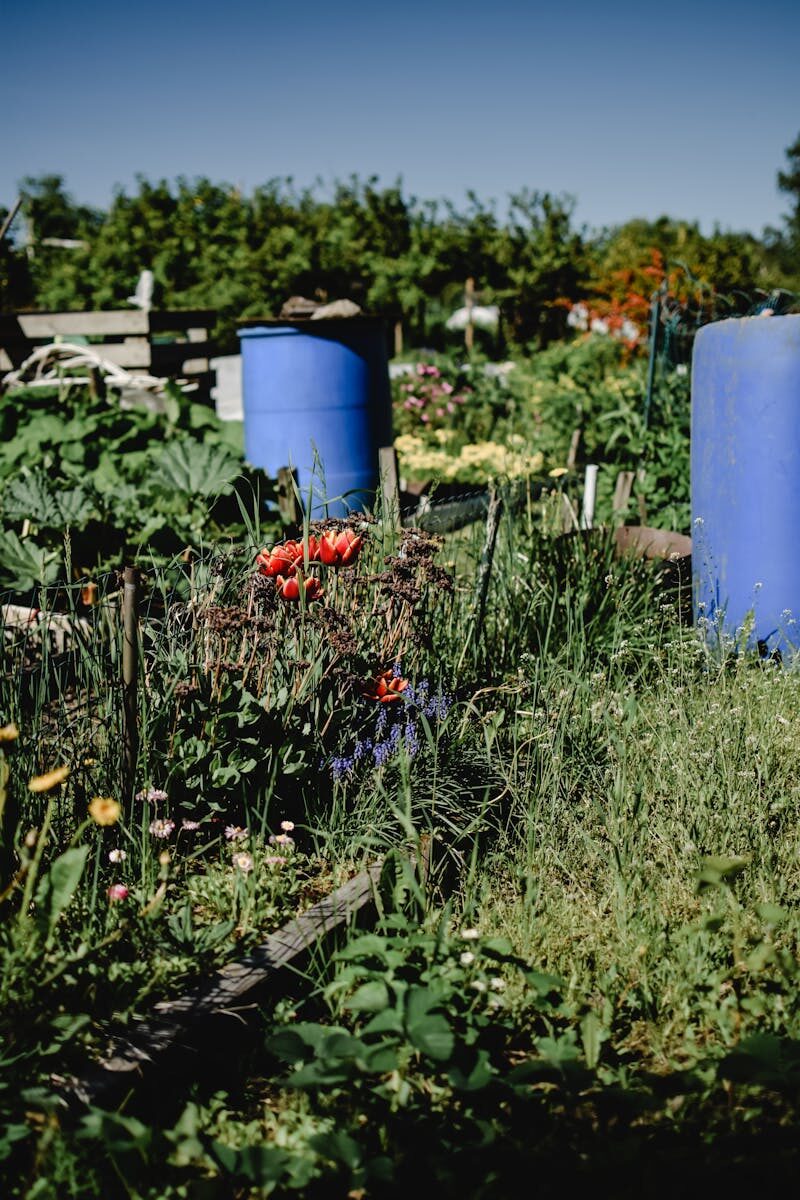
Green Gardens: Sustainable Solutions for Eco-Friendly Pest Control
In recent years, there has been a growing concern about the environmental impact of traditional pest control methods. Chemical pesticides can harm beneficial insects, pollute water sources, and pose risks to human health. As a result, many people are turning to eco-friendly pest control solutions for their gardens. In this article, we will explore some sustainable options for keeping pests at bay while protecting the planet.
Integrated Pest Management (IPM)
One of the most effective and environmentally friendly pest control strategies is Integrated Pest Management (IPM). IPM emphasizes the use of cultural, biological, and mechanical methods to control pests, rather than relying solely on chemical pesticides. By using a combination of techniques, gardeners can reduce pest populations without harming beneficial insects or the environment.
Cultural Methods
Cultural methods involve creating a garden environment that is less hospitable to pests. This can include practices such as planting pest-resistant varieties, rotating crops, and maintaining proper soil health. By promoting a healthy ecosystem in your garden, you can help prevent pest infestations from taking hold.
Biological Controls
Biological controls involve using natural predators or parasites to keep pest populations in check. For example, releasing ladybugs to eat aphids or introducing nematodes to control soil-dwelling pests can be effective ways to reduce pest numbers without resorting to chemicals. By harnessing the power of nature, gardeners can keep their plants healthy and pest-free.
Mechanical Controls
Mechanical controls involve physically removing pests from the garden. This can include hand-picking insects, using traps, or installing barriers to keep pests out. While these methods may require more effort than chemical sprays, they can be highly effective and have minimal impact on the environment.
Natural Repellents
Another eco-friendly pest control option is the use of natural repellents. Many common household items, such as garlic, onion, and hot pepper, can be used to deter pests from your garden. Simply mix these ingredients with water and spray them on your plants to keep pests at bay. Additionally, planting companion plants that repel pests, such as marigolds or lavender, can help protect your garden naturally.
Beneficial Insects
One of the best ways to control pest populations in your garden is by attracting beneficial insects. Ladybugs, lacewings, and praying mantises are just a few examples of insects that feed on pests and help keep your garden healthy. By planting a diverse range of flowers and herbs, you can create a welcoming habitat for these beneficial insects and encourage them to stick around.
DIY Pest Control Sprays
If you do find yourself dealing with a pest infestation, there are several eco-friendly sprays you can make at home to help combat the problem. For example, a mixture of soap and water can be an effective way to control aphids, while neem oil can help deter a variety of garden pests. By using these homemade remedies, you can effectively manage pest populations without resorting to harmful chemicals.
Common Questions About Eco-Friendly Pest Control
Is eco-friendly pest control as effective as chemical pesticides?
While eco-friendly pest control methods may require more effort and patience than chemical pesticides, they can be just as effective at controlling pest populations. By using a combination of techniques and staying vigilant, gardeners can keep their plants healthy without harming the environment.
Will eco-friendly pest control harm beneficial insects?
Unlike chemical pesticides, which can harm beneficial insects along with pests, eco-friendly pest control methods are designed to target specific pests while leaving beneficial insects unharmed. By using techniques such as biological controls and attracting beneficial insects to your garden, you can create a balanced ecosystem that supports both plant health and insect diversity.
Are eco-friendly pest control methods safe for pets and children?
Many eco-friendly pest control methods are safe for pets and children, as they do not involve harmful chemicals. However, it is always important to read and follow the instructions for any pest control products you use in your garden. By using natural repellents, beneficial insects, and DIY sprays, you can protect your plants and loved ones from pests without putting them at risk.
Conclusion
As more people seek sustainable solutions for their gardens, eco-friendly pest control methods are becoming increasingly popular. By using techniques such as Integrated Pest Management, natural repellents, beneficial insects, and DIY sprays, gardeners can keep their plants healthy while protecting the environment. By making small changes to your gardening practices, you can create a beautiful and sustainable garden that is free from harmful chemicals and full of life.
Remember, the key to successful pest control is to be proactive, observant, and willing to try new methods. By embracing eco-friendly pest control practices, you can create a garden that is not only beautiful and productive but also in harmony with nature.