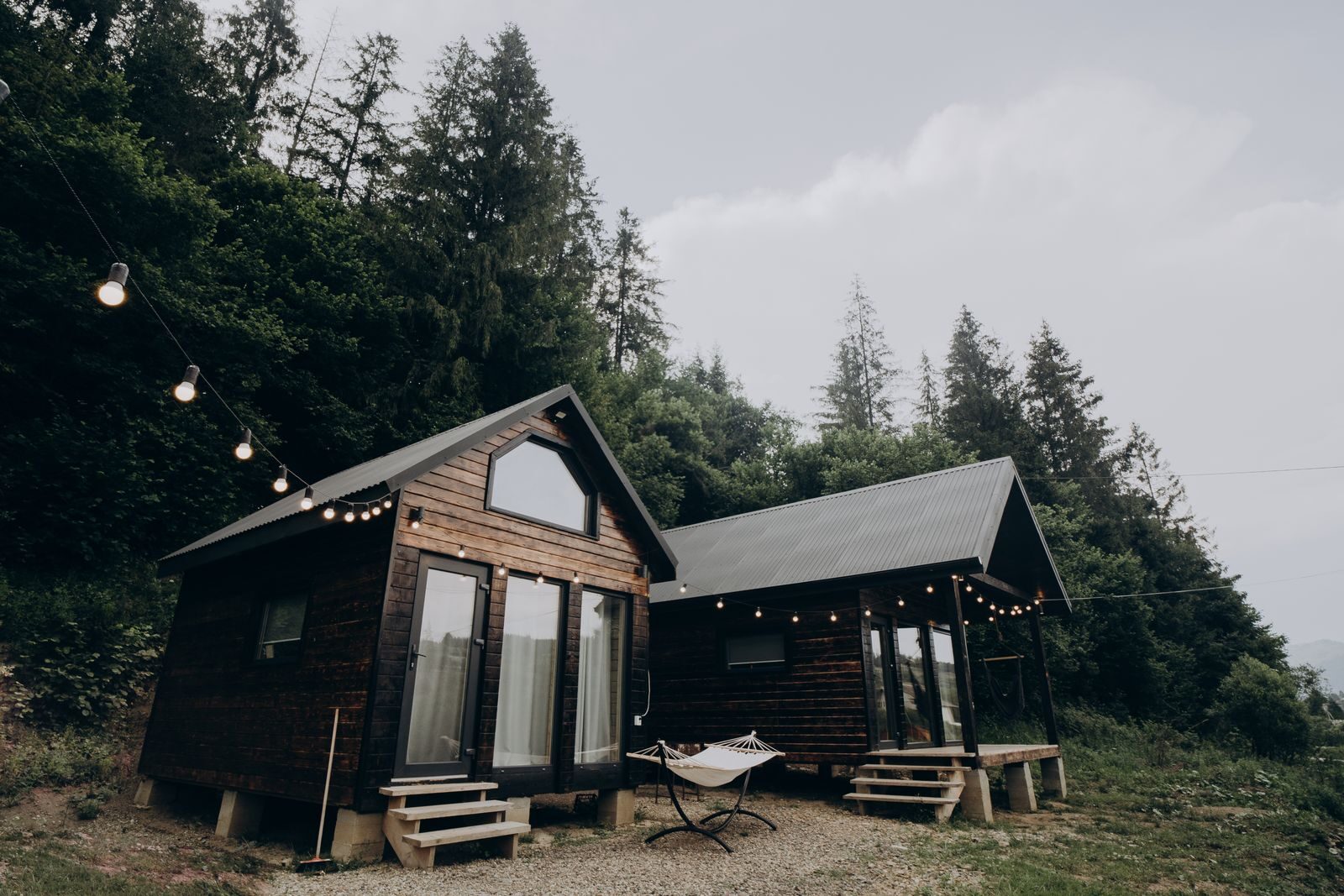
Building the Future: A Guide to Creating a Sustainable Tiny Home
In recent years, the tiny house movement has gained significant momentum as people seek alternatives to traditional housing. Tiny homes offer a more sustainable and affordable living option, allowing individuals to minimize their environmental impact and live a simpler, more intentional lifestyle. If you are considering building a tiny home, this guide will provide you with valuable insights on how to create a sustainable and eco-friendly dwelling that meets your needs and aligns with your values.
1. Why Choose a Tiny Home?
Before diving into the details of building a sustainable tiny home, it’s important to understand the benefits of this lifestyle choice. Tiny homes are typically smaller than 500 square feet and are designed to maximize space efficiency. By living in a tiny home, you can significantly reduce your carbon footprint, minimize your energy consumption, and lower your overall environmental impact. Additionally, tiny homes are more affordable than traditional houses, allowing you to save money on construction costs, utilities, and maintenance.
2. Designing Your Tiny Home
When designing your tiny home, it’s essential to prioritize sustainability and energy efficiency. Consider using eco-friendly building materials such as reclaimed wood, recycled metal, and sustainable insulation. Opt for energy-efficient appliances and fixtures to minimize your electricity usage. Incorporate natural lighting and ventilation systems to reduce your reliance on artificial lighting and heating. By choosing sustainable design elements, you can create a comfortable and environmentally-friendly living space.
3. Choosing a Location
Selecting the right location for your tiny home is crucial to maximizing its sustainability. Look for a site that receives ample sunlight for solar energy generation and natural heating. Consider proximity to public transportation, grocery stores, and other essential amenities to reduce your reliance on cars and minimize your carbon emissions. Ensure that your site is zoned for tiny homes and meets all local building codes and regulations.
4. Off-Grid Living
One of the key principles of sustainable tiny home living is off-grid living, which involves generating your own electricity, collecting rainwater, and managing your waste in a responsible manner. Install solar panels on your roof to harness solar energy and power your home. Set up a rainwater collection system to harvest and store water for domestic use. Implement composting toilets and greywater systems to treat and recycle your waste. By embracing off-grid living, you can reduce your environmental impact and live more self-sufficiently.
5. Green Technologies
Incorporating green technologies into your tiny home can further enhance its sustainability and energy efficiency. Consider installing a green roof to improve insulation, reduce stormwater runoff, and create a habitat for wildlife. Explore the possibility of using geothermal heating and cooling systems to regulate indoor temperatures using the earth’s natural heat. Invest in smart home technology to monitor and control your energy usage, lighting, and appliances more efficiently.
6. Minimalist Living
Embracing a minimalist lifestyle is essential when living in a tiny home. Prioritize quality over quantity when selecting furniture, decor, and personal belongings. Opt for multifunctional pieces that serve multiple purposes and maximize space efficiency. Declutter regularly to maintain a clean and organized living environment. By adopting a minimalist mindset, you can avoid unnecessary consumption, reduce waste, and live more sustainably.
7. Community Engagement
Building a sustainable tiny home is not just about creating a eco-friendly dwelling; it’s also about fostering a sense of community and connection with like-minded individuals. Join local tiny house communities, attend workshops and events, and share your knowledge and experiences with others. Collaborate on sustainability initiatives, such as community gardens, composting programs, and renewable energy projects. By engaging with your community, you can support and inspire others to embrace sustainable living practices.
8. Financial Considerations
While building a tiny home can be a cost-effective housing option, it’s essential to consider the financial implications of this lifestyle choice. Calculate your budget carefully and factor in construction costs, land acquisition, utilities, maintenance, and other expenses. Explore financing options, such as personal loans, grants, and crowdfunding, to fund your tiny home project. Consider renting out your tiny home on platforms like Airbnb to generate additional income and offset your living expenses.
9. Legal and Regulatory Compliance
Before embarking on your tiny home building journey, it’s crucial to ensure that you comply with all legal and regulatory requirements. Research zoning laws, building codes, and land use regulations in your area to determine if tiny homes are permitted. Obtain the necessary permits and approvals from local authorities before starting construction. Work with experienced architects, builders, and consultants who are familiar with tiny home regulations and can help you navigate the legal landscape.
10. Conclusion
Building a sustainable tiny home is a rewarding and fulfilling experience that allows you to live more simply, consciously, and in harmony with the environment. By incorporating eco-friendly design elements, embracing off-grid living, utilizing green technologies, adopting a minimalist lifestyle, engaging with your community, and addressing financial and legal considerations, you can create a sustainable and resilient living space that reflects your values and aspirations. Follow this guide to embark on your tiny home building journey and contribute to a more sustainable future for yourself and the planet.