Building the Future: A Step-by-Step Guide to Constructing a Passive House
Passive houses are becoming increasingly popular as people seek ways to reduce their carbon footprint and live more sustainably. These energy-efficient homes are designed to use very little energy for heating and cooling, making them not only environmentally friendly but also cost-effective in the long run. If you are considering building a passive house, this step-by-step guide will help you understand the process and make informed decisions along the way.
Understanding Passive House Principles
Before diving into the construction process, it’s important to understand the core principles behind passive houses. Passive houses are built to be airtight, well-insulated, and utilize passive solar gain to maintain a comfortable indoor temperature. By maximizing natural light and heat, passive houses reduce the need for traditional heating and cooling systems, resulting in significant energy savings.
Designing Your Passive House
The first step in building a passive house is to work with an architect or designer who specializes in passive house design. They will help you create a floor plan that maximizes energy efficiency and incorporates passive solar design principles. Key considerations include window placement, insulation levels, and ventilation systems.
Choosing Sustainable Materials
When selecting materials for your passive house, opt for sustainable options that are non-toxic and have a low environmental impact. This includes materials such as FSC-certified wood, recycled insulation, and energy-efficient windows. By choosing sustainable materials, you can further reduce your home’s carbon footprint and create a healthier living environment.
Construction Process
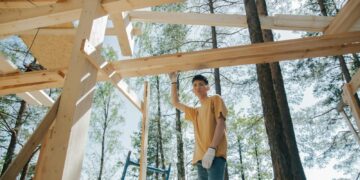
Once the design and materials have been finalized, it’s time to start the construction process. Building a passive house requires careful attention to detail to ensure that the home is airtight and well-insulated. This typically involves using advanced building techniques such as double-stud walls, triple-glazed windows, and heat recovery ventilation systems.
Testing and Certification
After the construction is complete, your passive house will need to undergo testing to ensure that it meets the strict energy efficiency standards of the Passive House Institute. This typically involves a blower door test to check for air leaks and thermal imaging to assess insulation levels. Once your home passes these tests, it can be certified as a passive house.
Benefits of Building a Passive House
There are many benefits to building a passive house, both for the environment and for your wallet. Passive houses are incredibly energy-efficient, meaning you will save money on heating and cooling costs in the long run. Additionally, passive houses are more comfortable to live in, with consistent temperatures and excellent indoor air quality.
Common Questions About Passive Houses
1. Are passive houses more expensive to build than traditional homes?
While the upfront cost of building a passive house may be slightly higher than a traditional home, the long-term savings on energy bills make it a worthwhile investment.
2. Do passive houses require special maintenance?
Passive houses require minimal maintenance, as they are built to be durable and energy-efficient. Regular maintenance such as changing air filters and checking ventilation systems is all that is needed.
3. Can I retrofit my existing home into a passive house?
While it is possible to retrofit an existing home to meet passive house standards, it can be more challenging and costly than building a passive house from scratch. It’s best to consult with a passive house designer to determine the feasibility of retrofitting your home.
Conclusion
Building a passive house is a rewarding experience that can benefit both you and the environment. By following the step-by-step guide outlined above, you can create a sustainable and energy-efficient home that will stand the test of time. With careful planning, attention to detail, and a commitment to sustainable practices, you can build the future with a passive house.
Whether you are a homeowner looking to reduce your carbon footprint or a builder interested in sustainable construction, passive houses offer a practical and effective solution for creating energy-efficient homes. By understanding the principles of passive house design, choosing sustainable materials, and following the construction process outlined in this guide, you can build a passive house that is both environmentally friendly and cost-effective.