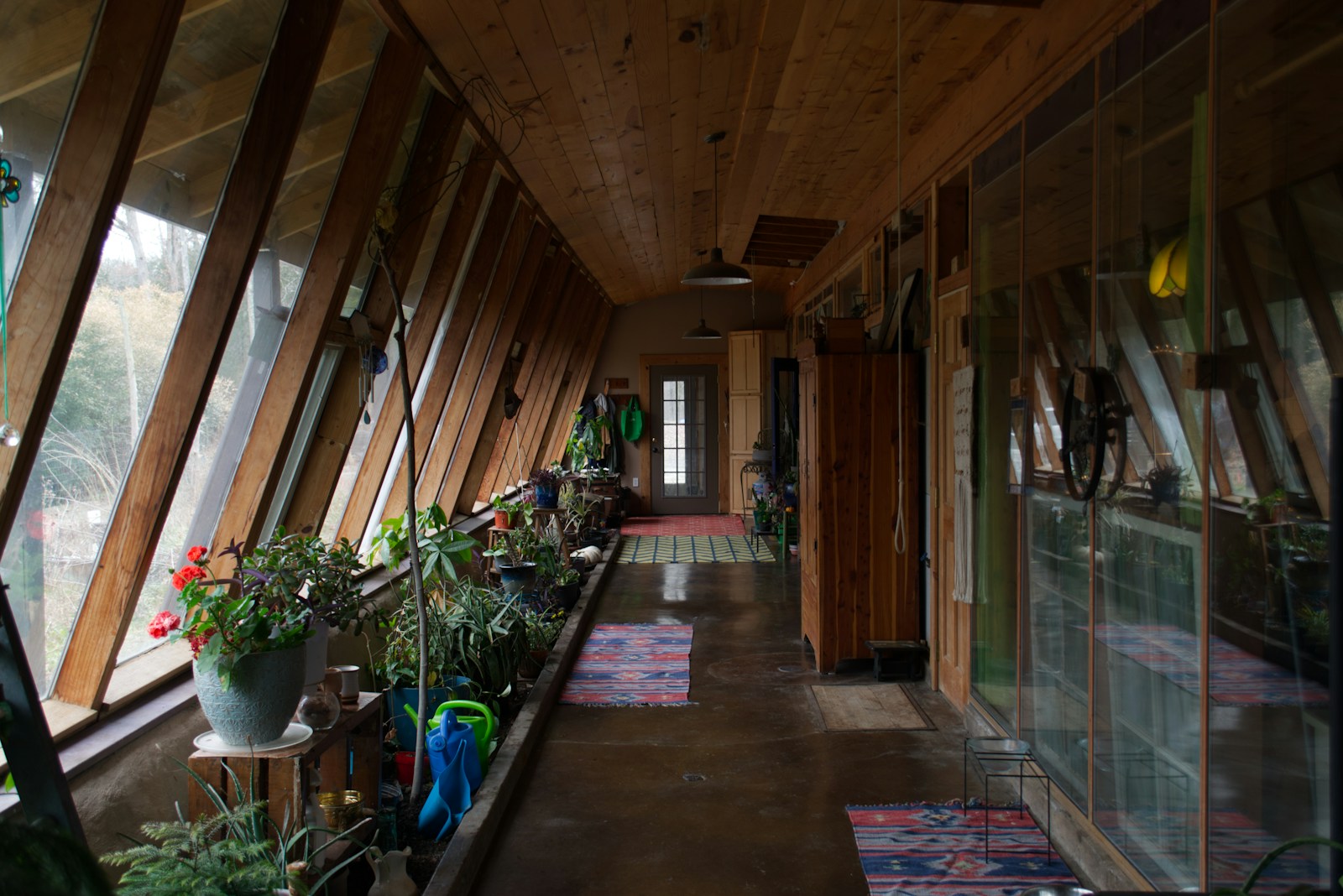
Earthship Essentials: A Beginner’s Guide to Sustainable Home Building
In recent years, there has been a growing interest in sustainable living and eco-friendly practices. One of the most popular ways to achieve this is through building an Earthship. Earthships are self-sustaining homes that are built using recycled materials and natural resources. In this article, we will provide a comprehensive guide for beginners looking to build their own Earthship.
What is an Earthship?
An Earthship is a type of sustainable home that is designed to be self-sufficient and environmentally friendly. These homes are typically built using recycled materials such as tires, bottles, and cans. They are also designed to take advantage of natural resources such as sunlight, rainwater, and thermal mass to reduce energy consumption.
The design of an Earthship is based on principles of passive solar heating and cooling, water harvesting, and waste recycling. These homes are often built partially below ground to take advantage of the earth’s natural insulation properties. They also typically feature large windows on the south side to allow for maximum sunlight exposure.
Key Features of an Earthship
There are several key features that make Earthships unique and sustainable:
1. Thermal mass: Earthships are built using materials with high thermal mass, such as adobe or rammed earth walls. This helps to regulate the temperature inside the home by absorbing and releasing heat slowly.
2. Passive solar heating: Earthships are designed to take advantage of the sun’s energy for heating. Large windows on the south side of the home allow for maximum sunlight exposure, while overhangs block out the sun in the summer to prevent overheating.
3. Water harvesting: Earthships collect rainwater from the roof and store it in cisterns for later use. This water can be used for drinking, bathing, and watering plants.
4. Greywater recycling: Greywater from sinks and showers is filtered and used to water plants or flush toilets. This helps to conserve water and reduce waste.
5. Renewable energy: Earthships can be powered by renewable energy sources such as solar panels or wind turbines. This allows homeowners to live off the grid and reduce their carbon footprint.
Building an Earthship
Building an Earthship can be a challenging but rewarding process. Here are some key steps to consider when constructing your own sustainable home:
1. Site selection: Choose a site that receives ample sunlight and has access to water. Consider the local climate and topography when selecting a location for your Earthship.
2. Design: Work with an architect or designer to create a plan for your Earthship. Consider factors such as the size of the home, layout, and materials to be used.
3. Permits and approvals: Check with local authorities to ensure that you have the necessary permits and approvals to build your Earthship. Some areas may have specific building codes or regulations that need to be followed.
4. Construction: Gather materials such as tires, bottles, and cans for building the walls of your Earthship. Work with a team of builders or volunteers to construct the home according to your design.
5. Systems installation: Install systems for water harvesting, greywater recycling, and renewable energy. Consider hiring professionals to help with these installations to ensure they are done correctly.
Maintaining an Earthship
Once your Earthship is built, it is important to maintain it properly to ensure its longevity and efficiency. Here are some key tips for maintaining your sustainable home:
1. Monitor energy usage: Keep track of your energy usage and make adjustments as needed to reduce consumption. Consider installing energy-efficient appliances and lighting to further reduce your carbon footprint.
2. Insulate and seal: Check for any gaps or leaks in your Earthship and seal them to prevent heat loss. Consider adding additional insulation to improve energy efficiency.
3. Water conservation: Use water wisely and avoid wasting this precious resource. Repair any leaks and consider installing low-flow fixtures to reduce water usage.
4. Garden and landscaping: Create a garden or landscaping around your Earthship to further reduce your carbon footprint. Plant native species that require minimal water and maintenance.
5. Community involvement: Consider joining a community of Earthship owners to share resources and knowledge. Attend workshops or events to learn more about sustainable living and eco-friendly practices.
Conclusion
Building an Earthship is a rewarding experience that allows homeowners to live in a sustainable and eco-friendly way. By following the key principles of passive solar heating, water harvesting, and waste recycling, Earthship owners can reduce their carbon footprint and live off the grid. Whether you are a beginner or an experienced builder, constructing an Earthship is a great way to contribute to a more sustainable future for all.