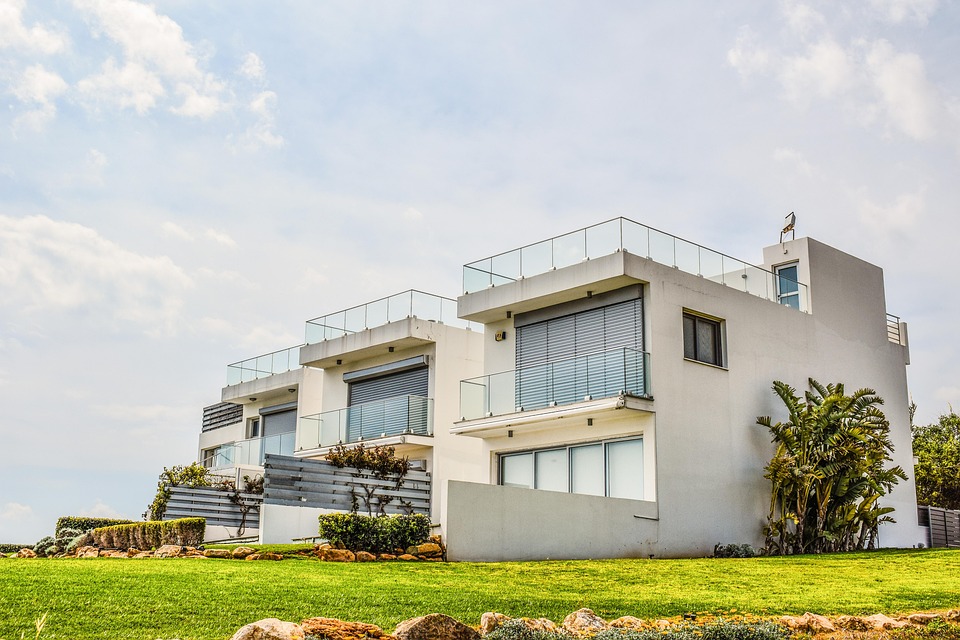
Building a Greener Tomorrow: The Future of Eco-Conscious Architecture in 2026
In recent years, there has been a growing emphasis on sustainability and eco-consciousness in all aspects of our lives, including architecture. With the increasing awareness of climate change and environmental degradation, architects and designers are now looking towards a more sustainable and environmentally friendly approach to building design. This shift towards eco-conscious architecture is not only important for reducing our carbon footprint but also for creating healthier and more livable spaces for future generations.
The Importance of Eco-Conscious Architecture
Eco-conscious architecture focuses on reducing the environmental impact of buildings through the use of sustainable materials, energy-efficient design, and green building practices. By incorporating these principles into their designs, architects can help minimize the negative effects of construction on the environment and promote a more sustainable way of living.
One of the key benefits of eco-conscious architecture is the reduction of energy consumption. By using energy-efficient materials and design strategies, buildings can significantly lower their energy usage and carbon emissions. This not only helps to combat climate change but also reduces the overall operating costs of the building, making it more economically viable in the long run.
In addition to energy efficiency, eco-conscious architecture also prioritizes the use of sustainable materials. By choosing materials that are renewable, recyclable, or locally sourced, architects can minimize the environmental impact of construction and reduce the amount of waste generated during the building process. This not only helps to conserve natural resources but also promotes a more circular economy where materials are reused and recycled instead of being disposed of in landfills.
The Future of Eco-Conscious Architecture in 2026
As we look towards the future, it is clear that eco-conscious architecture will play an increasingly important role in shaping the built environment. In 2026, we can expect to see a number of trends and innovations in eco-conscious architecture that will help to further reduce the environmental impact of buildings and create more sustainable and resilient spaces for people to live and work in.
One of the key trends that we can expect to see in eco-conscious architecture in 2025 is the widespread adoption of green building certifications. These certifications, such as LEED (Leadership in Energy and Environmental Design) and BREEAM (Building Research Establishment Environmental Assessment Method), are already widely recognized in the industry and help to ensure that buildings meet high standards of sustainability and environmental performance. In 2026, we can expect to see an increasing number of buildings achieving these certifications as the demand for sustainable design continues to grow.
Another trend that we can expect to see in eco-conscious architecture in 2026 is the integration of smart technologies and renewable energy systems into building design. With advancements in technology, architects can now incorporate sensors, automation systems, and renewable energy sources into their designs to optimize energy usage, improve indoor air quality, and reduce the overall environmental impact of buildings. In 2026, we can expect to see more buildings incorporating these technologies to create more efficient and sustainable spaces for people to live and work in.
Common Questions About Eco-Conscious Architecture
1. What are some examples of sustainable materials used in eco-conscious architecture?
Some examples of sustainable materials used in eco-conscious architecture include bamboo, reclaimed wood, recycled glass, and low-VOC paints. These materials are renewable, recyclable, and have a lower environmental impact compared to conventional building materials.
2. How can I incorporate eco-conscious principles into my own building design?
To incorporate eco-conscious principles into your own building design, you can start by choosing sustainable materials, optimizing energy efficiency, and incorporating green building practices into your design. By working with architects and designers who specialize in eco-conscious architecture, you can create a more sustainable and environmentally friendly building that meets your needs and values.
3. What are the benefits of eco-conscious architecture?
Some of the benefits of eco-conscious architecture include reduced energy consumption, lower operating costs, improved indoor air quality, and a reduced environmental impact. By prioritizing sustainability in building design, architects can create healthier and more livable spaces for people to enjoy while also helping to protect the planet for future generations.
Conclusion
In conclusion, eco-conscious architecture is a crucial component of building a greener tomorrow. By prioritizing sustainability and environmental consciousness in building design, architects can help to reduce the negative impact of construction on the environment and create healthier and more resilient spaces for people to live and work in. In 2026, we can expect to see a continued emphasis on eco-conscious architecture, with more buildings achieving green building certifications, integrating smart technologies and renewable energy systems, and using sustainable materials to create a more sustainable built environment. By embracing eco-conscious architecture, we can pave the way for a more sustainable and environmentally friendly future for generations to come.