Living in a tiny house has become increasingly popular in recent years, as people seek to downsize, simplify their lives, and reduce their environmental impact. One of the challenges of tiny living is finding sustainable energy solutions to power these compact homes. In this article, we will explore some of the options available for powering the future of tiny living with sustainable energy solutions.
### The Benefits of Sustainable Energy for Tiny Living
Sustainable energy solutions offer numerous benefits for tiny house living. By harnessing renewable energy sources such as solar, wind, and hydro power, tiny house owners can reduce their reliance on fossil fuels and decrease their carbon footprint. Sustainable energy solutions also provide greater energy independence, allowing tiny house owners to generate their own electricity and reduce their reliance on the grid.
### Solar Power for Tiny Living
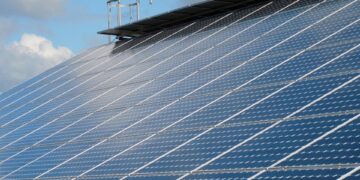
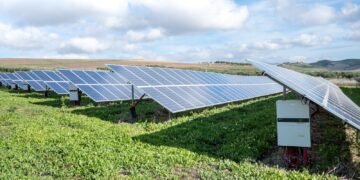
Solar power is one of the most popular sustainable energy solutions for tiny house living. By installing solar panels on the roof of their tiny house, homeowners can harness the power of the sun to generate electricity. Solar panels are relatively easy to install and require minimal maintenance, making them an ideal choice for tiny house owners.
In addition to generating electricity, solar power can also be used to heat water through solar water heaters. This can help tiny house owners reduce their energy costs and further increase their sustainability.
### Wind Power for Tiny Living
Wind power is another sustainable energy solution that can be used to power tiny houses. By installing a small wind turbine on their property, tiny house owners can harness the power of the wind to generate electricity. Wind power is a reliable source of energy, especially in windy areas, and can be used in conjunction with solar power to provide a more consistent source of electricity.
### Hydro Power for Tiny Living
For tiny house owners located near a water source, hydro power can be a viable sustainable energy solution. By installing a small hydroelectric generator in a stream or river on their property, homeowners can generate electricity from the flow of water. Hydro power is a reliable and consistent source of energy, making it an attractive option for tiny house owners looking to reduce their reliance on the grid.
### Battery Storage for Sustainable Energy
One of the challenges of using renewable energy sources such as solar and wind power is their intermittent nature. To address this issue, tiny house owners can invest in battery storage systems to store excess energy generated during peak production times. This stored energy can then be used during periods of low production, ensuring a consistent and reliable source of electricity for the tiny house.
### Sustainable Energy Solutions for Heating and Cooling
In addition to powering electrical appliances, sustainable energy solutions can also be used to heat and cool tiny houses. Solar thermal systems can be used to heat water for radiant floor heating or hot water for showers and sinks. In warmer climates, passive cooling techniques such as shading and natural ventilation can help keep tiny houses cool without the need for air conditioning.
### Common Questions About Sustainable Energy for Tiny Living
#### How much does it cost to install solar panels on a tiny house?
The cost of installing solar panels on a tiny house can vary depending on the size of the system and the complexity of the installation. On average, homeowners can expect to pay between $10,000 and $20,000 for a solar panel system that can power a tiny house. However, federal and state incentives and rebates can help offset some of these costs.
#### How much energy can a wind turbine generate for a tiny house?
The amount of energy generated by a wind turbine for a tiny house will depend on the size and location of the turbine. On average, a small wind turbine can generate between 400 and 1,000 kilowatt-hours of electricity per month, depending on wind speeds and other factors. This can be enough to power the electrical needs of a typical tiny house.
#### Is it possible to go completely off-grid with sustainable energy solutions for a tiny house?
Yes, it is possible to go completely off-grid with sustainable energy solutions for a tiny house. By combining solar, wind, or hydro power with battery storage and energy-efficient appliances, tiny house owners can generate and store all the electricity they need to power their homes without relying on the grid. However, going off-grid may require a larger investment in renewable energy systems and may not be practical for all tiny house owners.
### Conclusion
Sustainable energy solutions offer a promising future for powering tiny living. By harnessing renewable energy sources such as solar, wind, and hydro power, tiny house owners can reduce their environmental impact, increase their energy independence, and decrease their reliance on the grid. With advances in technology and decreasing costs, sustainable energy solutions are becoming more accessible and practical for tiny house living. By investing in these innovative solutions, tiny house owners can create a more sustainable and resilient future for themselves and the planet.