Powering the Future: Sustainable Energy Solutions for Small Living Spaces
As the world continues to face the challenges of climate change and environmental degradation, the need for sustainable energy solutions has never been more pressing. In small living spaces, where resources are limited and space is at a premium, finding ways to power our homes and reduce our carbon footprint is crucial. Fortunately, there are a variety of innovative and cost-effective options available that can help us transition to a more sustainable future.
The Benefits of Sustainable Energy
Before we delve into specific solutions for small living spaces, let’s first explore the benefits of sustainable energy. By harnessing renewable sources such as solar, wind, and hydro power, we can reduce our reliance on fossil fuels and decrease our greenhouse gas emissions. This not only helps to combat climate change, but also reduces air and water pollution, improves public health, and creates jobs in the growing green energy sector.
Solar Power
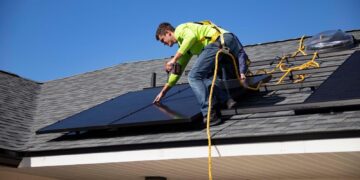
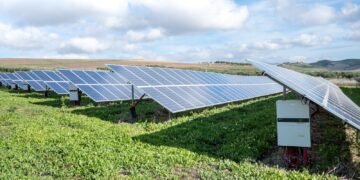
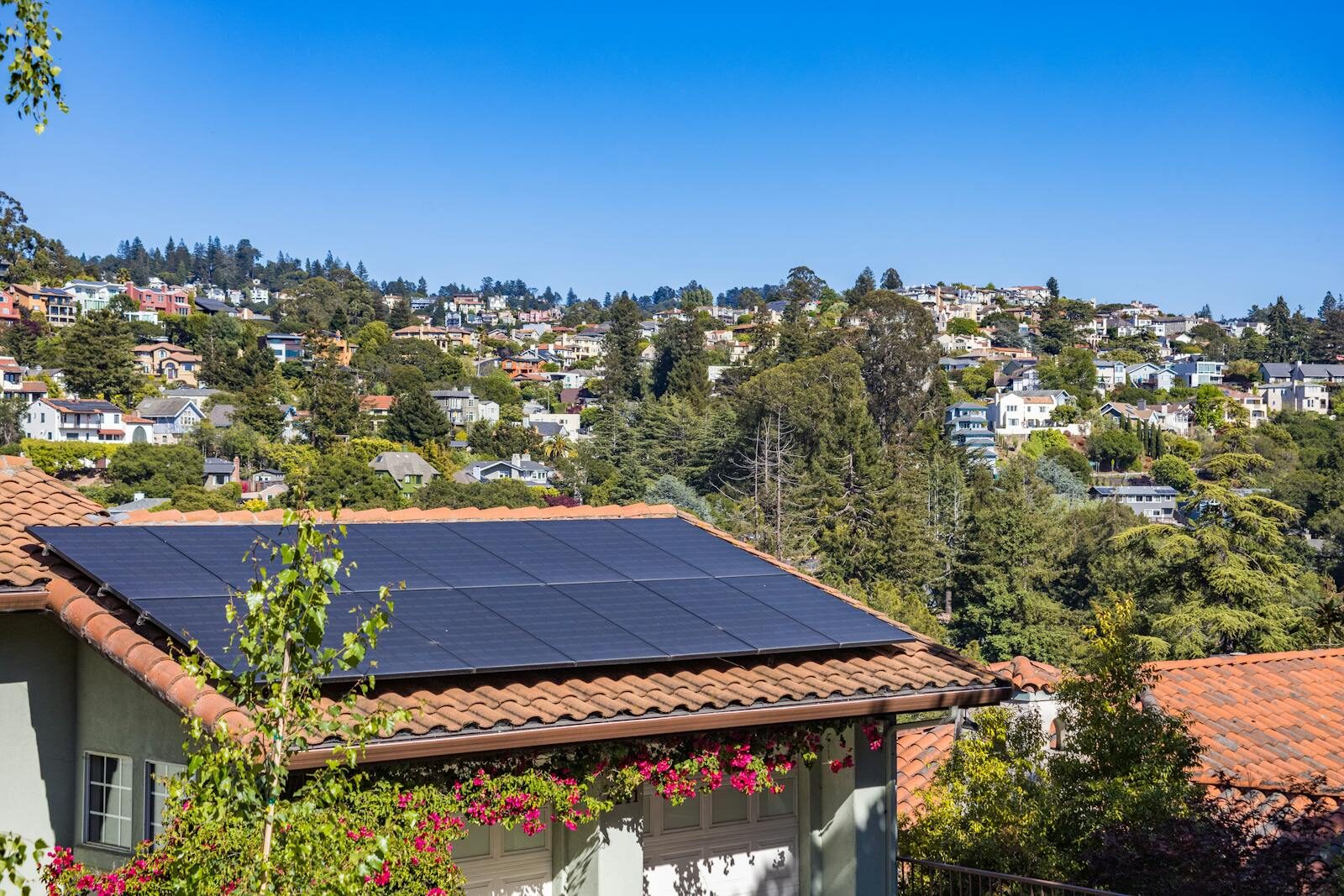
Solar power is perhaps the most well-known and widely used form of renewable energy. By installing solar panels on your roof or in your yard, you can generate clean electricity to power your home. In small living spaces, where square footage is limited, solar panels can be mounted on walls or balconies to maximize space efficiency. Additionally, advancements in solar technology have made panels more affordable and efficient than ever before.
Benefits of Solar Power
- Reduces electricity bills
- Low maintenance costs
- Reduces carbon footprint
- Increases property value
Wind Power
While solar power is a popular choice for small living spaces, wind power can also be a viable option, especially in areas with consistent wind patterns. Small wind turbines can be installed on rooftops or in yards to generate electricity. While wind turbines may be more visually obtrusive than solar panels, they can be a cost-effective and efficient way to power your home sustainably.
Benefits of Wind Power
- Low operating costs
- Can be combined with solar power for hybrid energy systems
- Can be installed in urban and rural areas
- Reduces reliance on grid electricity
Hydro Power
For small living spaces located near bodies of water, hydro power can be a valuable resource. Micro hydro systems can harness the power of flowing water to generate electricity. While hydro power may require a larger initial investment than solar or wind power, it can be a reliable and efficient source of renewable energy, especially in areas with consistent water flow.
Benefits of Hydro Power
- Highly reliable source of energy
- Low operating costs
- Can be integrated with existing water systems
- Reduces carbon emissions
Energy Efficiency
In addition to generating clean energy, improving energy efficiency in small living spaces can help reduce overall energy consumption and lower utility bills. Simple measures such as installing energy-efficient appliances, using LED lighting, and properly insulating windows and doors can make a significant impact. By combining sustainable energy sources with energy-efficient practices, small living spaces can become more environmentally friendly and cost-effective.
Benefits of Energy Efficiency
- Reduces energy bills
- Improves indoor comfort
- Reduces carbon footprint
- Increases property value
Conclusion
In conclusion, powering the future of small living spaces with sustainable energy solutions is not only possible, but essential for combating climate change and creating a more sustainable world. By harnessing the power of solar, wind, and hydro energy, along with improving energy efficiency in our homes, we can reduce our environmental impact and create a cleaner, healthier planet for future generations. With the right combination of renewable energy sources and energy-efficient practices, small living spaces can lead the way in transitioning to a more sustainable future.
Remember, every small step towards sustainability counts, and together, we can power the future with clean, renewable energy.