In recent years, tiny house living has gained popularity as a sustainable and cost-effective way to live. With the rise of tiny homes comes the need for sustainable energy solutions to power these small spaces. In this article, we will explore various options for powering the future of tiny house living with sustainable energy sources.
### The Rise of Tiny House Living
Tiny houses have become a popular housing option for many people looking to downsize, minimize their environmental impact, and live a more simple and sustainable lifestyle. These small homes typically range from 100 to 400 square feet and are often built on wheels to allow for mobility. Tiny house living offers the opportunity to live more affordably, reduce one’s carbon footprint, and live a more minimalist lifestyle.
### Sustainable Energy Solutions for Tiny Houses
When it comes to powering a tiny house, there are several sustainable energy solutions to consider. These solutions not only reduce the environmental impact of the home but can also save money in the long run. Some of the most popular sustainable energy solutions for tiny houses include solar power, wind power, and micro-hydro power.
#### Solar Power
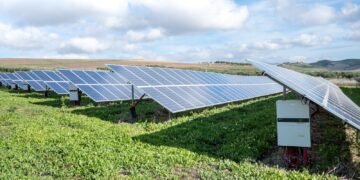
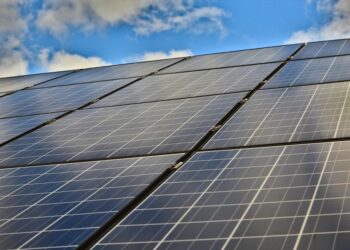
Solar power is one of the most common sustainable energy solutions for tiny houses. Solar panels can be installed on the roof of a tiny house to capture the sun’s energy and convert it into electricity. This electricity can then be stored in batteries for later use. Solar power is a reliable and renewable energy source that can provide power to a tiny house even in remote locations.
#### Wind Power
Wind power is another sustainable energy solution for tiny houses. Small wind turbines can be installed near a tiny house to capture the wind’s energy and convert it into electricity. Wind power is a cost-effective and renewable energy source that can supplement or even replace solar power in areas with consistent wind patterns.
#### Micro-Hydro Power
Micro-hydro power is a sustainable energy solution that harnesses the power of flowing water to generate electricity. A small hydroelectric system can be installed near a tiny house to capture the energy of a nearby stream or river. Micro-hydro power is a reliable and renewable energy source that can provide a consistent source of electricity for a tiny house.
### Benefits of Sustainable Energy Solutions for Tiny Houses
There are many benefits to using sustainable energy solutions to power a tiny house. Some of the key benefits include:
– Reduced environmental impact: Sustainable energy sources like solar power, wind power, and micro-hydro power produce minimal greenhouse gas emissions and help reduce the overall carbon footprint of a tiny house.
– Cost savings: While there is an initial investment in installing sustainable energy systems, the long-term cost savings can be significant. Sustainable energy sources can reduce or eliminate monthly utility bills, saving money in the long run.
– Energy independence: By generating their own electricity with sustainable energy sources, tiny house owners can become more self-sufficient and less reliant on the grid. This can provide a sense of security and peace of mind.
– Mobility: Sustainable energy solutions like solar power and wind power are ideal for tiny houses on wheels, as they can provide power even in remote or off-grid locations. This mobility allows tiny house owners to live off the grid and explore new locations without sacrificing power.
### Common Questions About Sustainable Energy Solutions for Tiny Houses
As more people consider tiny house living, there are common questions that arise regarding sustainable energy solutions. Here are some of the most frequently asked questions and their answers:
#### Can sustainable energy sources provide enough power for a tiny house?
Yes, sustainable energy sources like solar power, wind power, and micro-hydro power can provide more than enough power to meet the needs of a tiny house. By sizing the energy system appropriately and optimizing energy usage, tiny house owners can live comfortably and sustainably with renewable energy sources.
#### How much does it cost to install sustainable energy systems in a tiny house?
The cost of installing sustainable energy systems in a tiny house can vary depending on the size of the system, the location of the house, and the specific energy needs of the homeowner. On average, the cost of installing solar panels on a tiny house can range from $5,000 to $15,000, while wind turbines and micro-hydro systems can cost more. However, the long-term cost savings and environmental benefits can outweigh the initial investment.
#### Are there government incentives or rebates available for sustainable energy systems?
Many governments offer incentives and rebates for homeowners who install sustainable energy systems like solar panels, wind turbines, and micro-hydro systems. These incentives can help offset the initial cost of installation and make sustainable energy solutions more affordable for homeowners. It’s important to research available incentives and rebates in your area before investing in sustainable energy systems for your tiny house.
### Conclusion
In conclusion, sustainable energy solutions are essential for powering the future of tiny house living. By harnessing the power of the sun, wind, and water, tiny house owners can live more sustainably, reduce their environmental impact, and save money in the long run. With the rise of tiny house living, it’s important to consider sustainable energy solutions as a way to power these small spaces efficiently and effectively. Whether you choose solar power, wind power, micro-hydro power, or a combination of these sources, sustainable energy solutions can provide a reliable and renewable source of power for tiny houses.