Harvesting Success: Building a Thriving Aquaponics System for a Sustainable Future
In recent years, there has been a growing interest in aquaponics as a sustainable method of food production. This innovative system combines aquaculture (the raising of fish) with hydroponics (the growing of plants in water) to create a closed-loop, symbiotic environment where both fish and plants thrive. By harnessing the natural processes of nitrogen cycling, aquaponics offers a more efficient and environmentally friendly way to produce food.
The Benefits of Aquaponics
There are numerous benefits to using aquaponics as a method of food production. One of the most significant advantages is the ability to produce both fish and vegetables in a single system. This means that aquaponics can provide a diverse range of fresh, organic produce without the need for synthetic fertilizers or pesticides. Additionally, aquaponics systems use less water than traditional farming methods, making them more sustainable in regions facing water scarcity.
Another key benefit of aquaponics is its scalability. Whether you’re a hobbyist looking to grow food for your family or a commercial farmer seeking to expand your operations, aquaponics systems can be easily tailored to meet your needs. This flexibility makes aquaponics an attractive option for individuals and businesses alike.
Getting Started with Aquaponics
If you’re interested in building your own aquaponics system, there are a few key components to consider. The first step is to choose a suitable location for your system. Ideally, you’ll want a space that receives plenty of sunlight and is protected from extreme temperatures and inclement weather. A greenhouse or indoor space can be a great option for year-round production.
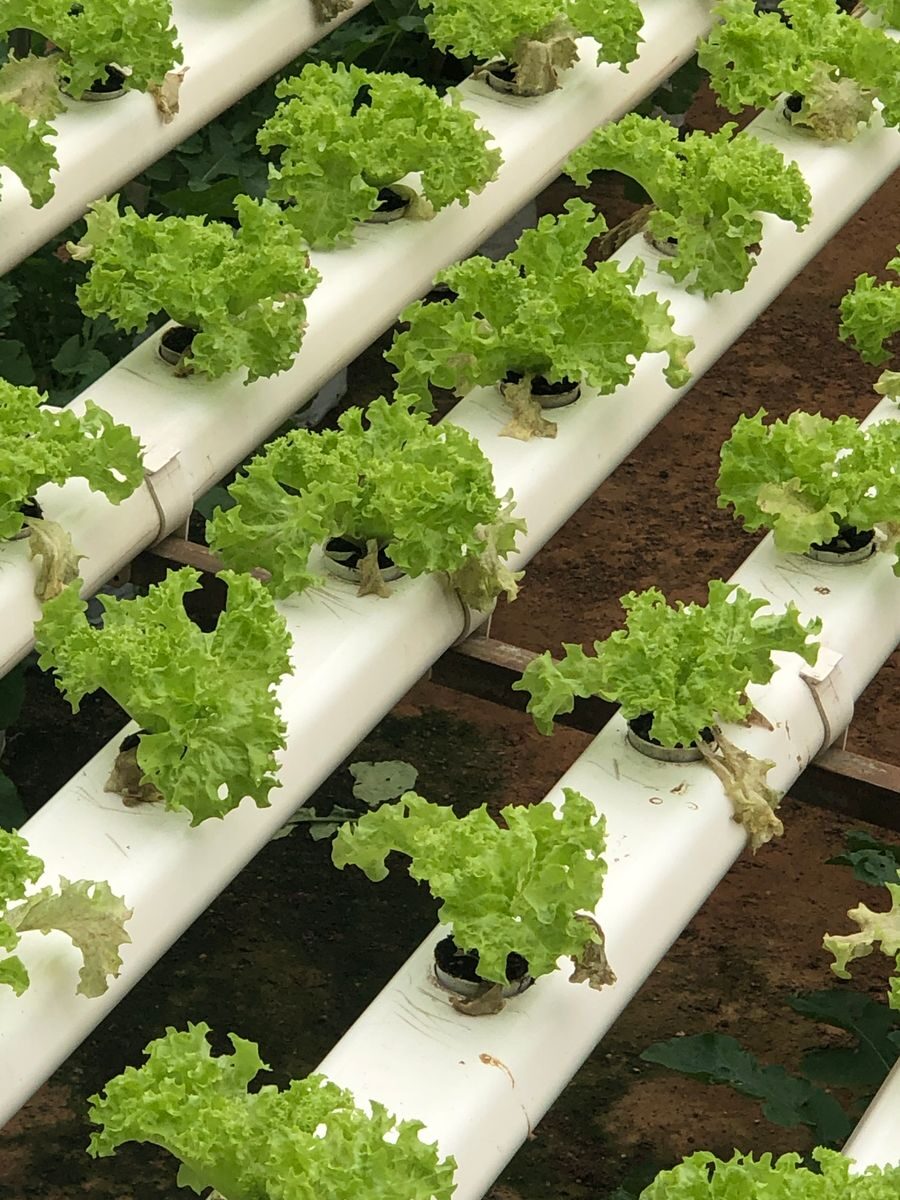
Next, you’ll need to select the right fish and plants for your system. Common fish species used in aquaponics include tilapia, trout, and catfish, while popular plant choices include lettuce, basil, and tomatoes. It’s important to research the specific requirements of each species to ensure they are compatible with your system.
Once you have your components in place, it’s time to set up your aquaponics system. This typically involves constructing a fish tank, a grow bed for your plants, and a filtration system to remove waste products from the water. You’ll also need to establish a balance of nutrients and bacteria to support the growth of both fish and plants.
Maintaining Your Aquaponics System
Like any other farming system, aquaponics requires regular maintenance to ensure optimal performance. This includes monitoring water quality, feeding your fish, and checking for signs of disease or nutrient deficiencies in your plants. It’s also important to periodically clean your system to prevent the buildup of algae or other contaminants.
One of the key factors in maintaining a successful aquaponics system is achieving a balance between fish and plant growth. This can be achieved by carefully monitoring nutrient levels and adjusting feeding schedules as needed. By paying attention to the needs of both your fish and plants, you can create a thriving ecosystem that produces healthy, abundant food.
Common Questions About Aquaponics
1. Is aquaponics suitable for beginners?
While aquaponics can be a complex system to set up, it is certainly achievable for beginners with some research and patience. There are plenty of resources available online and through community groups to help you get started.
2. Can I use any type of fish in my aquaponics system?
While some fish species are better suited to aquaponics than others, there is a wide range of options available depending on your climate and preferences. It’s important to research the specific requirements of each species before adding them to your system.
3. How much space do I need for an aquaponics system?
The amount of space required for an aquaponics system will depend on the scale of your operation and the types of fish and plants you plan to grow. Small-scale systems can be set up in a backyard or even indoors, while commercial operations may require larger facilities.
Conclusion
As we look towards a more sustainable future, aquaponics offers a promising solution for producing food in an environmentally friendly and efficient way. By harnessing the power of nature’s own processes, aquaponics systems can provide a diverse range of fresh, organic produce while conserving water and reducing waste. Whether you’re a beginner looking to dip your toes into aquaponics or a seasoned farmer seeking to expand your operations, there are endless possibilities for building a thriving aquaponics system that will yield success for years to come.
By taking the time to research, plan, and maintain your aquaponics system, you can enjoy the benefits of fresh, sustainable food production while contributing to a more eco-friendly future. With the right knowledge and dedication, you can harvest success with your very own thriving aquaponics system.