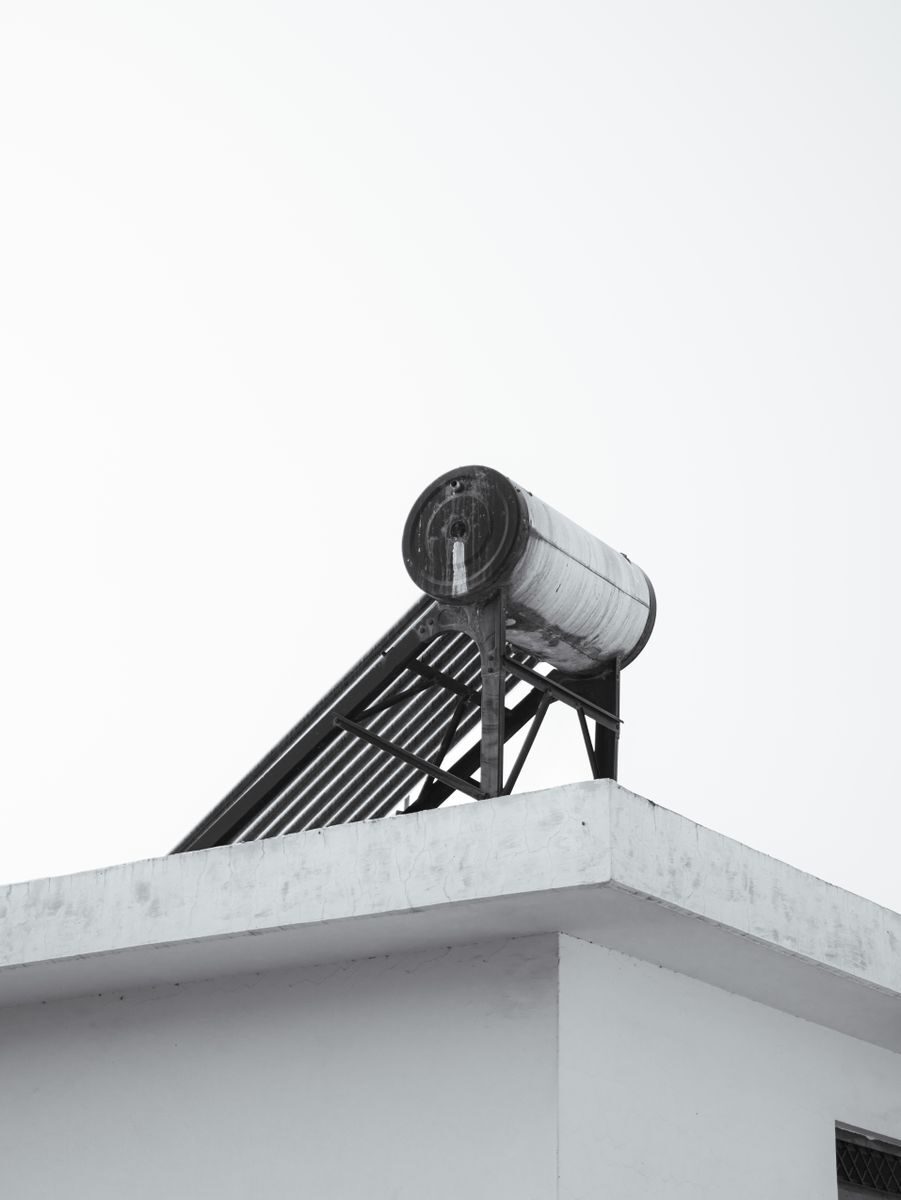
Harvesting the Sun: Revolutionizing Home Comfort with Solar-Powered Heating and Cooling
In recent years, there has been a growing trend towards sustainable living and reducing our carbon footprint. One way to achieve this is by harnessing the power of the sun to provide heating and cooling for our homes. Solar-powered heating and cooling systems are not only eco-friendly but also cost-effective in the long run. In this article, we will explore the benefits of solar-powered heating and cooling, how it works, and how you can incorporate it into your home.
The Benefits of Solar-Powered Heating and Cooling
There are many benefits to using solar power for heating and cooling your home. One of the main advantages is that it is a renewable energy source, which means it will never run out. This can help reduce your reliance on fossil fuels and lower your carbon footprint. Additionally, solar power is free once you have installed the necessary equipment, which can lead to significant savings on your energy bills over time.
Another benefit of solar-powered heating and cooling is that it can increase the value of your home. Many homebuyers are looking for eco-friendly features, and having a solar-powered system in place can make your home more attractive to potential buyers. Additionally, solar power systems are low maintenance and have a long lifespan, so you can enjoy the benefits for many years to come.
How Solar-Powered Heating and Cooling Works
Solar-powered heating and cooling systems work by using solar panels to collect and convert sunlight into electricity. This electricity is then used to power a heat pump, which can provide both heating and cooling for your home. The heat pump works by transferring heat from the outside air into your home during the winter months, and removing heat from your home and releasing it outside during the summer months.
There are two main types of solar-powered heating and cooling systems: active and passive. Active systems use pumps and fans to distribute the heated or cooled air throughout your home, while passive systems rely on natural ventilation and insulation to regulate the temperature. Both types of systems can be effective, depending on your climate and home design.
How to Incorporate Solar-Powered Heating and Cooling into Your Home
If you are interested in incorporating solar-powered heating and cooling into your home, there are a few steps you will need to take. The first step is to assess your home’s energy needs and determine the size of the system you will need. You will also need to consider the orientation of your home and the amount of sunlight it receives throughout the day.
Once you have determined your energy needs, you can start shopping for solar panels and a heat pump. There are many different options available, so it is important to do your research and find the system that best fits your needs and budget. You may also want to consult with a professional installer to ensure that the system is installed correctly and efficiently.
Common Questions About Solar-Powered Heating and Cooling
There are a few common questions that people have about solar-powered heating and cooling systems. One of the most common questions is whether solar panels can work in cloudy or rainy weather. While solar panels do work best in direct sunlight, they can still generate electricity on cloudy days. Additionally, some systems are equipped with battery storage to store excess energy for use during periods of low sunlight.
Another common question is whether solar-powered heating and cooling systems can be used in all climates. While solar power systems can be effective in most climates, they may not be as efficient in extremely cold or hot climates. However, with proper insulation and system design, solar-powered systems can still be effective in these climates.
Conclusion
Solar-powered heating and cooling systems are a sustainable and cost-effective way to provide comfort for your home. By harnessing the power of the sun, you can reduce your carbon footprint, lower your energy bills, and increase the value of your home. With the right system and installation, you can enjoy the benefits of solar-powered heating and cooling for many years to come.
Overall, incorporating solar power into your home is a smart investment that can benefit both you and the environment. If you are interested in making the switch to solar-powered heating and cooling, be sure to do your research, consult with professionals, and enjoy the many benefits that come with harnessing the power of the sun.