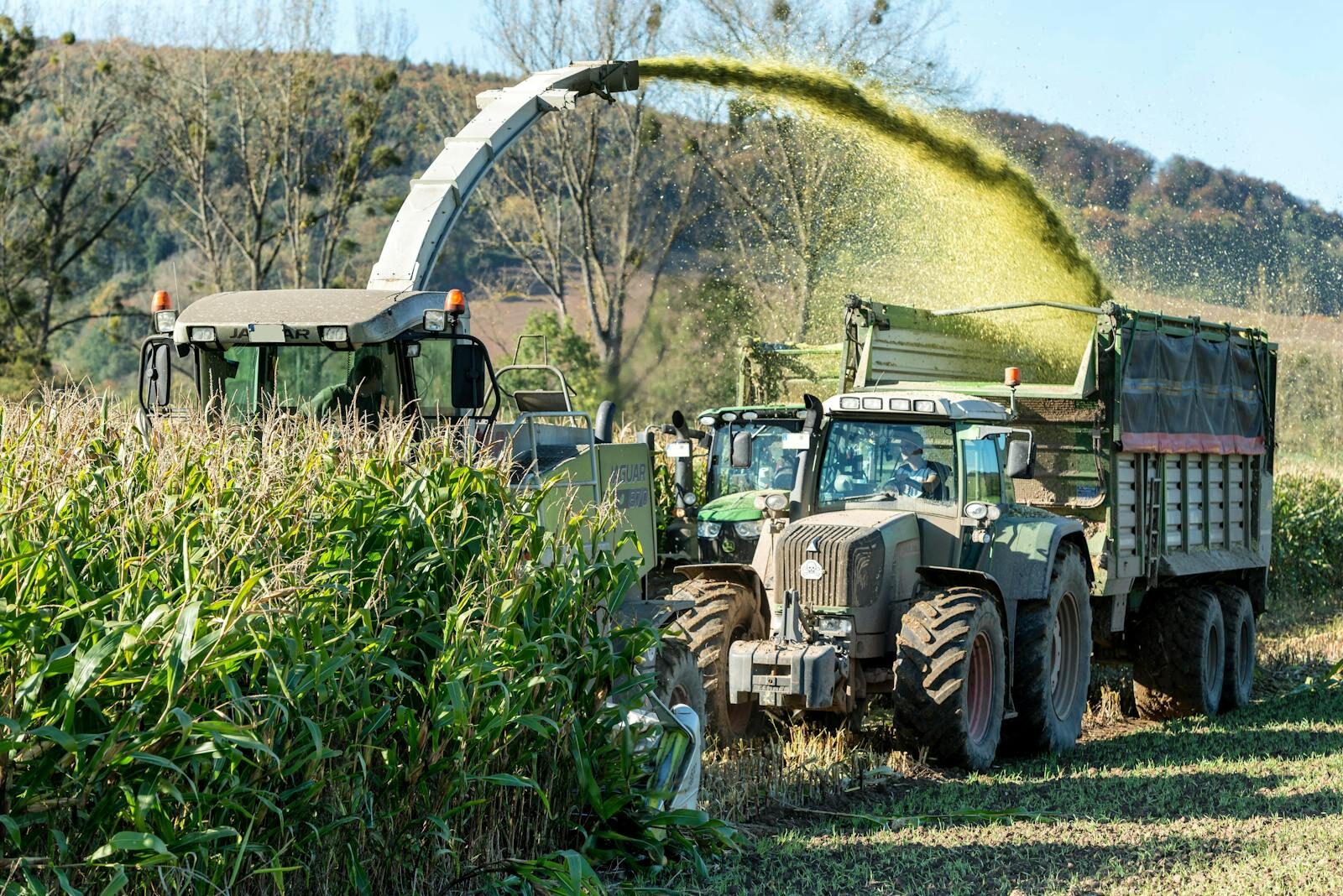
In the modern world, the demand for energy is constantly increasing as populations grow and technology advances. With concerns about climate change and environmental sustainability becoming more prevalent, there is a growing interest in finding alternative sources of energy that are renewable and have a minimal impact on the environment. One such source of green energy that is gaining traction is bioenergy.
Bioenergy is energy derived from organic materials such as plants, agricultural residues, and organic waste. It is a renewable energy source because these organic materials can be replenished through natural processes. Bioenergy technologies convert these organic materials into usable forms of energy, such as electricity, heat, and transportation fuels. By harnessing the power of bioenergy, we can reduce our reliance on fossil fuels and decrease our carbon footprint.
Understanding the Benefits of Bioenergy
There are many benefits to powering your home with bioenergy. One of the main advantages is that bioenergy is a renewable energy source, meaning that it can be replenished over time. This is in contrast to fossil fuels, which are finite resources that will eventually run out. By using bioenergy, we can reduce our dependence on fossil fuels and decrease our impact on the environment.
Another benefit of bioenergy is that it can help to reduce greenhouse gas emissions. When organic materials are converted into energy, the process releases carbon dioxide into the atmosphere. However, this carbon dioxide is offset by the carbon dioxide that was absorbed by the plants during their growth. This means that bioenergy is considered to be carbon neutral, as the carbon dioxide released during the process is balanced out by the carbon dioxide absorbed during the growth of the organic materials.
Exploring Bioenergy Technologies
There are several different bioenergy technologies that can be used to power your home. One common technology is biomass combustion, which involves burning organic materials such as wood, crop residues, and municipal solid waste to generate heat and electricity. Another technology is biogas production, which involves anaerobically digesting organic materials to produce methane gas that can be used as a fuel for heating and cooking.
Integrating Bioenergy into Your Home
If you are interested in powering your home with bioenergy, there are several steps you can take to integrate bioenergy technologies into your home. One option is to install a biomass boiler or stove, which can be used to heat your home and provide hot water. Another option is to install a biogas digester, which can be used to produce methane gas for cooking and heating.
Common Questions about Bioenergy
1. Is bioenergy expensive to install and maintain?
While the upfront costs of installing bioenergy technologies can be higher than traditional energy systems, the long-term savings can often offset these costs. Additionally, many governments offer incentives and rebates for installing renewable energy systems, which can help to reduce the overall cost.
2. Is bioenergy reliable?
Bioenergy technologies can be reliable sources of energy when properly maintained. Like any energy system, bioenergy technologies require regular maintenance to ensure optimal performance. By working with a reputable installer and following recommended maintenance schedules, you can ensure that your bioenergy system will provide reliable energy for your home.
3. Is bioenergy suitable for all homes?
Bioenergy technologies can be a good option for many homes, but there are some factors to consider when determining if bioenergy is suitable for your home. For example, homes with access to ample organic materials, such as wood or agricultural residues, may be better suited for biomass technologies. Additionally, homes with space for biogas digesters or other bioenergy systems may find it easier to integrate bioenergy into their energy mix.
Conclusion
In conclusion, bioenergy is a promising source of green energy that has the potential to power homes in a sustainable and environmentally friendly way. By harnessing the power of organic materials, we can reduce our reliance on fossil fuels and decrease our carbon footprint. With a variety of bioenergy technologies available, homeowners have the opportunity to explore different options for integrating bioenergy into their homes. By understanding the benefits of bioenergy, exploring bioenergy technologies, and addressing common questions, homeowners can make informed decisions about powering their homes with green energy.