Harnessing the Sun: Revolutionizing Home Comfort with Solar-Powered Heating and Cooling
As the world continues to grapple with the effects of climate change, more and more homeowners are looking for sustainable ways to reduce their carbon footprint. One of the most effective ways to do this is by harnessing the power of the sun to heat and cool our homes. Solar-powered heating and cooling systems are not only environmentally friendly, but they can also help homeowners save money on their utility bills in the long run.
How Does Solar-Powered Heating and Cooling Work?
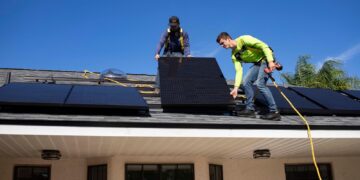
Solar-powered heating and cooling systems work by harnessing the energy of the sun to provide heating and cooling for your home. These systems typically consist of solar panels that are installed on the roof of your home. These panels collect sunlight and convert it into electricity, which can then be used to power a heating or cooling system.
There are two main types of solar-powered heating and cooling systems: solar thermal systems and photovoltaic systems. Solar thermal systems use the heat from the sun to heat water or air, which can then be used to provide heating or cooling for your home. Photovoltaic systems, on the other hand, convert sunlight directly into electricity, which can then be used to power a traditional heating or cooling system.
The Benefits of Solar-Powered Heating and Cooling
There are many benefits to using solar-powered heating and cooling systems in your home. One of the biggest benefits is that these systems are environmentally friendly. By using the power of the sun to heat and cool your home, you can reduce your carbon footprint and help combat climate change.
Another major benefit of solar-powered heating and cooling systems is that they can help you save money on your utility bills. While the initial cost of installing a solar-powered system may be higher than traditional heating and cooling systems, the long-term savings can be significant. By generating your own electricity with solar panels, you can reduce or even eliminate your reliance on the grid, saving you money on your monthly utility bills.
Common Questions About Solar-Powered Heating and Cooling
Is Solar-Powered Heating and Cooling Reliable?
One of the most common concerns homeowners have about solar-powered heating and cooling systems is whether they are reliable. The answer to this question is yes – when properly installed and maintained, solar-powered systems can be just as reliable as traditional heating and cooling systems. In fact, many solar-powered systems come with warranties that guarantee their performance for several years.
How Much Does It Cost to Install a Solar-Powered System?
The cost of installing a solar-powered heating and cooling system can vary depending on a number of factors, including the size of your home, the type of system you choose, and the location of your home. However, on average, homeowners can expect to pay between $10,000 and $20,000 for a solar-powered system. While this may seem like a significant upfront cost, the long-term savings can often outweigh the initial investment.
Are There Incentives Available for Installing Solar-Powered Systems?
Many local, state, and federal governments offer incentives for homeowners who install solar-powered systems in their homes. These incentives can come in the form of tax credits, rebates, or other financial incentives. Be sure to check with your local government to see what incentives may be available to you.
Conclusion
Solar-powered heating and cooling systems are a sustainable and cost-effective way to heat and cool your home. By harnessing the power of the sun, homeowners can reduce their carbon footprint, save money on their utility bills, and help combat climate change. While the upfront cost of installing a solar-powered system may be higher than traditional systems, the long-term savings and environmental benefits make it a worthwhile investment. If you’re looking to revolutionize your home comfort and reduce your impact on the environment, consider installing a solar-powered heating and cooling system today.