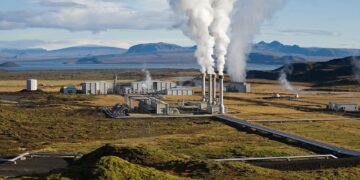
Harnessing the Earth’s Power: A Guide to Using Geothermal Energy in Your Home
Geothermal energy is a renewable and sustainable source of energy that comes from the heat stored beneath the Earth’s surface. By harnessing this natural power, homeowners can reduce their carbon footprint and lower their energy bills. In this guide, we will explore how geothermal energy works, the benefits of using it in your home, and how you can integrate it into your existing heating and cooling systems.
How Geothermal Energy Works
Geothermal energy is generated by the heat stored in the Earth’s core. This heat is transferred to the Earth’s surface through a process called conduction. In some areas, this heat is close enough to the surface that it can be accessed through geothermal wells. These wells are drilled deep into the ground to access the hot water and steam that is used to generate electricity or heat buildings.
Geothermal energy can be used in two main ways: for heating and cooling. In the winter, geothermal heat pumps extract heat from the ground and use it to warm your home. In the summer, the process is reversed, and the heat from your home is transferred back into the ground, effectively cooling your home.
The Benefits of Geothermal Energy
There are several benefits to using geothermal energy in your home. One of the main advantages is that it is a renewable and sustainable source of energy. Unlike fossil fuels, which are finite resources, geothermal energy will never run out. This means that you can rely on it for the long term without worrying about depleting the Earth’s resources.
Another benefit of geothermal energy is that it is environmentally friendly. Geothermal power plants produce little to no greenhouse gas emissions, making them a clean alternative to traditional sources of energy. By using geothermal energy in your home, you can reduce your carbon footprint and help combat climate change.
Integrating Geothermal Energy into Your Home
There are several ways that you can integrate geothermal energy into your home. One of the most common methods is to install a geothermal heat pump. These pumps use the stable temperature of the Earth to heat and cool your home, reducing your energy bills and reliance on fossil fuels.
Another option is to install a geothermal well on your property. These wells can be used to heat water for your home or to generate electricity. While this option may require a larger upfront investment, it can provide significant long-term savings and environmental benefits.
Common Questions About Geothermal Energy
Is geothermal energy expensive to install?
While the upfront cost of installing a geothermal system can be higher than traditional heating and cooling systems, the long-term savings can make it a cost-effective option. Additionally, there are often tax incentives and rebates available to help offset the initial investment.
Will a geothermal system work in my climate?
Geothermal systems can work in a variety of climates, from hot and dry to cold and snowy. The key is to work with a qualified contractor who can design a system that is tailored to your specific climate and needs.
How long does a geothermal system last?
Geothermal systems are known for their durability and longevity. With proper maintenance, a geothermal system can last for 20-25 years or more, providing reliable and efficient heating and cooling for your home.
Conclusion
Geothermal energy is a clean, renewable, and sustainable source of energy that can help homeowners reduce their carbon footprint and lower their energy bills. By harnessing the Earth’s power, you can enjoy the benefits of geothermal energy in your home for years to come. Whether you choose to install a geothermal heat pump or a geothermal well, there are options available to suit your needs and budget. Consider making the switch to geothermal energy and start reaping the rewards of a more sustainable and environmentally friendly home.