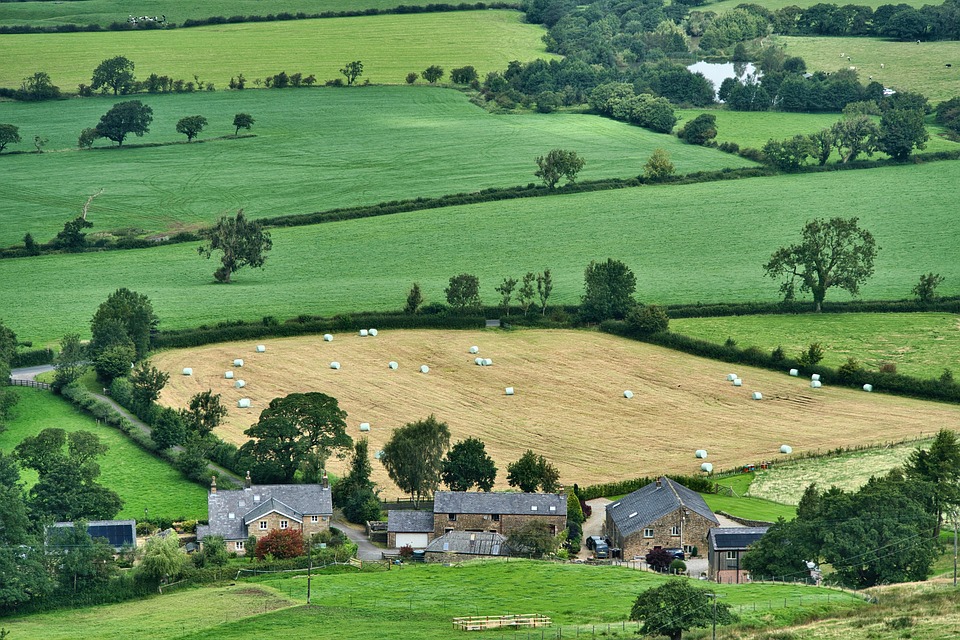
In recent years, the importance of sustainable agriculture has become increasingly apparent as the world faces the challenges of climate change and food security. One of the key components of sustainable agriculture is the use of renewable energy sources to power farming operations. Harnessing renewable energy not only reduces greenhouse gas emissions and reliance on fossil fuels, but also provides a reliable and cost-effective source of power for farmers.
The Need for Renewable Energy in Agriculture
Sustainable agriculture is essential for feeding a growing global population while minimizing the environmental impact of food production. Traditional farming methods rely heavily on fossil fuels, which contribute to air and water pollution, soil degradation, and climate change. By transitioning to renewable energy sources such as solar, wind, and hydro power, farmers can reduce their carbon footprint and create a more sustainable future for agriculture.
Benefits of Renewable Energy for Agriculture
There are numerous benefits to using renewable energy in agriculture. One of the most significant advantages is the reduction of greenhouse gas emissions. Fossil fuels are a major contributor to climate change, so transitioning to renewable energy sources can help mitigate this impact. Additionally, renewable energy is often more cost-effective in the long run, as the initial investment in solar panels or wind turbines can be offset by lower energy bills over time.
Solar Power for Agriculture
Solar power is one of the most popular forms of renewable energy for agriculture. By installing solar panels on their farms, farmers can generate their own electricity and reduce their reliance on the grid. Solar power is particularly well-suited for agricultural operations, as farms often have large open spaces that are ideal for solar panel installations. Solar power can be used to power irrigation systems, lighting, and other electrical equipment on the farm.
Wind Power for Agriculture
Wind power is another renewable energy source that is well-suited for agriculture. Wind turbines can be installed on farms to generate electricity from the natural wind energy. Wind power is especially useful in areas with consistent wind patterns, as it can provide a reliable source of energy for farming operations. Like solar power, wind power can be used to power irrigation systems, lighting, and other electrical equipment on the farm.
Hydro Power for Agriculture
Hydro power is another renewable energy source that can be harnessed for agriculture. By using small-scale hydroelectric systems, farmers can generate electricity from flowing water on their properties. Hydro power is particularly well-suited for farms located near rivers or streams, as it can provide a continuous source of energy. Hydro power can be used to power irrigation systems, lighting, and other electrical equipment on the farm.
Integration of Renewable Energy into Farming Operations
Integrating renewable energy into farming operations requires careful planning and consideration. Farmers must assess their energy needs and determine the most appropriate renewable energy sources for their specific location and conditions. They must also consider factors such as upfront costs, maintenance requirements, and potential government incentives for renewable energy projects.
Common Questions About Renewable Energy in Agriculture
There are several common questions that farmers may have about using renewable energy in agriculture. Some of these questions include:
– What are the upfront costs of installing renewable energy systems?
– How can I determine the best renewable energy source for my farm?
– Are there government incentives available for renewable energy projects?
– How can I maintain and monitor my renewable energy systems?
– Will renewable energy be enough to power all of my farming operations?
Conclusion
In conclusion, harnessing renewable energy for sustainable agriculture is essential for creating a more environmentally friendly and cost-effective farming industry. By transitioning to solar, wind, hydro, and other renewable energy sources, farmers can reduce their carbon footprint, lower their energy bills, and create a more sustainable future for agriculture. With careful planning and consideration, farmers can integrate renewable energy into their operations and reap the benefits of a more sustainable and profitable farming business.