Aquaponics vs Hydroponics: Dueling Systems for Sustainable Food Production
In recent years, there has been a growing interest in alternative methods of food production that are more sustainable and environmentally friendly. Two popular systems that have gained traction are aquaponics and hydroponics. While both methods involve growing plants without soil, there are key differences between the two systems. In this article, we will explore the differences between aquaponics and hydroponics and discuss their benefits and drawbacks.
What is Aquaponics?
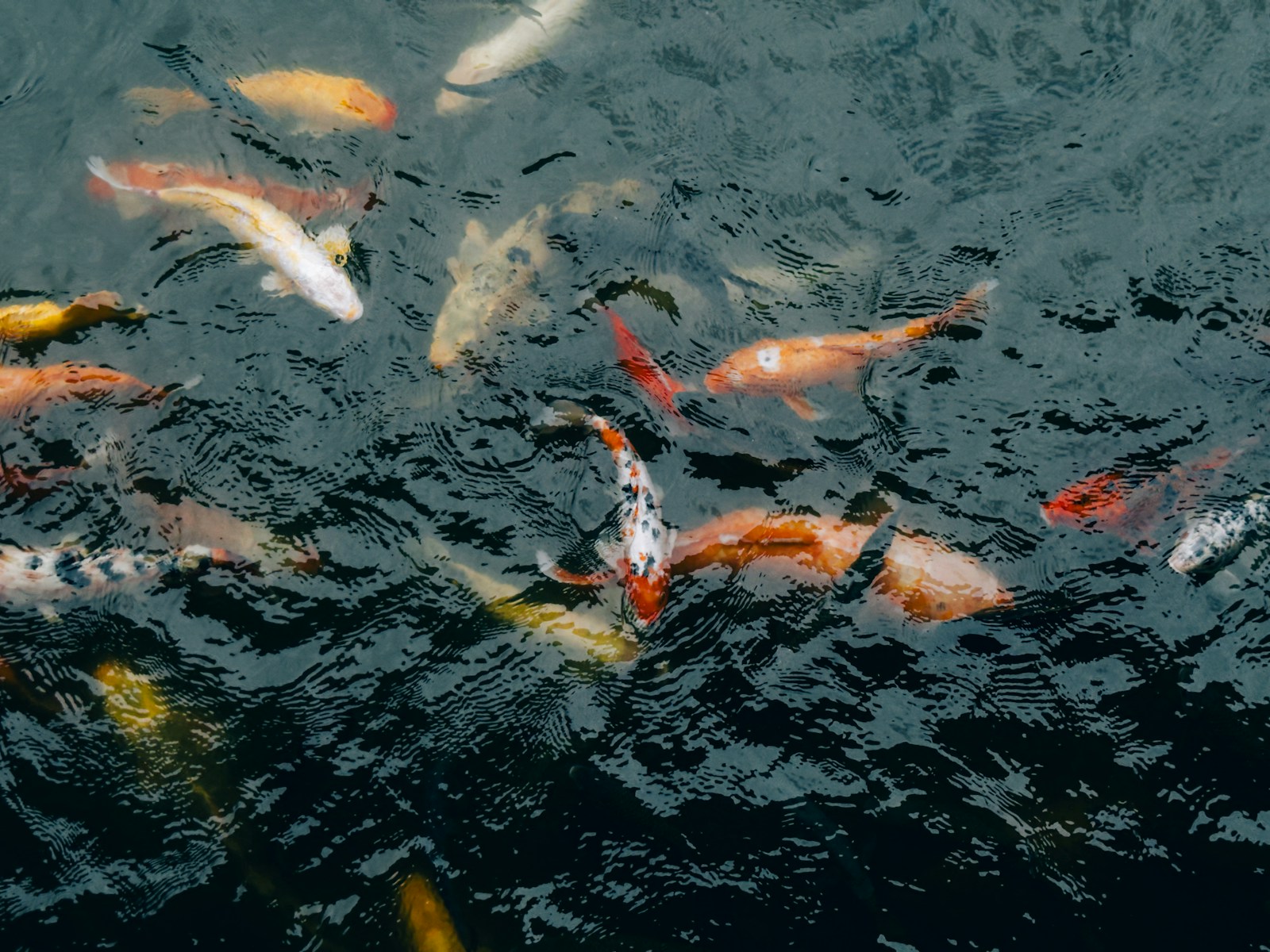
Aquaponics is a system that combines aquaculture (the farming of aquatic animals) with hydroponics (the cultivation of plants in water). In an aquaponics system, fish are raised in a tank, and their waste products, which contain nutrients, are used to feed the plants. The plants, in turn, filter the water for the fish, creating a mutually beneficial relationship.
What is Hydroponics?
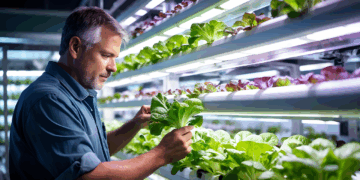
Hydroponics, on the other hand, is a method of growing plants in a nutrient-rich water solution without soil. In a hydroponic system, plants are grown in a water-based solution that is fortified with nutrients. This method allows for more precise control over the nutrients that the plants receive, leading to faster growth and higher yields.
Benefits of Aquaponics
1. Nutrient Recycling
One of the key benefits of aquaponics is its ability to recycle nutrients. The waste produced by the fish provides the essential nutrients that the plants need to grow, creating a closed-loop system that minimizes waste.
2. Reduced Water Usage
Because the water in an aquaponics system is recirculated and reused, it requires significantly less water than traditional farming methods. This makes aquaponics a more water-efficient option for food production.
3. Dual Productivity
In aquaponics, both fish and plants can be grown in the same system, increasing productivity and maximizing the use of space. This dual productivity can lead to higher yields and more efficient use of resources.
Drawbacks of Aquaponics
1. Complexity
Setting up and maintaining an aquaponics system can be more complex than traditional farming methods. It requires a good understanding of both aquaculture and hydroponics, as well as careful monitoring of water quality and nutrient levels.
2. Potential for Disease
Because aquaponics systems rely on a delicate balance of fish and plants, there is a risk of disease outbreaks that can affect both the fish and the plants. Proper management and monitoring are essential to prevent potential issues.
Benefits of Hydroponics
1. Faster Growth
Hydroponic systems provide plants with direct access to nutrients, allowing them to grow faster than plants in soil. This can lead to higher yields and more efficient use of space.
2. Control Over Nutrients
Hydroponic systems allow for precise control over the nutrients that the plants receive, leading to more consistent growth and higher quality produce. This level of control can also help to optimize plant growth and minimize waste.
3. Space Efficiency
Hydroponic systems are often more space-efficient than traditional farming methods, as they can be set up vertically or in small spaces. This makes hydroponics a good option for urban farming or areas with limited land available for agriculture.
Drawbacks of Hydroponics
1. High Initial Cost
Setting up a hydroponic system can be expensive, as it requires specialized equipment and infrastructure. The initial investment may be a barrier for some farmers looking to adopt this method of farming.
2. Dependence on Nutrient Solutions
Hydroponic systems rely on nutrient solutions to provide plants with the essential nutrients they need to grow. If the nutrient solution is not properly balanced or maintained, it can lead to nutrient deficiencies or toxicities in the plants.
Conclusion
Both aquaponics and hydroponics offer sustainable alternatives to traditional farming methods, with their own unique benefits and drawbacks. Aquaponics provides a closed-loop system that recycles nutrients and reduces water usage, while hydroponics allows for precise control over nutrient levels and faster plant growth.
Ultimately, the choice between aquaponics and hydroponics will depend on factors such as space availability, budget, and personal preference. Both systems have the potential to revolutionize food production and contribute to a more sustainable future for agriculture.
Whichever system you choose, it is important to carefully research and plan before setting up your system to ensure its success. With proper management and monitoring, aquaponics and hydroponics can both be effective methods for sustainable food production.