Growing Greener: Climate-Smart Tips for Thriving Home Gardens
In today’s world, the impact of climate change is becoming increasingly evident. As our planet warms and weather patterns shift, it’s more important than ever to adopt sustainable practices in all aspects of our lives, including gardening. By making a few simple changes to your gardening routine, you can create a more eco-friendly and climate-smart garden that thrives while reducing your carbon footprint.
Why Climate-Smart Gardening Matters
Climate-smart gardening is all about taking steps to reduce your garden’s impact on the environment and adapt to the changing climate. By implementing sustainable practices, you can help to mitigate climate change, conserve resources, and create a healthier ecosystem in your own backyard. Climate-smart gardening also helps to support biodiversity and promote the health of pollinators like bees and butterflies, which are essential for a thriving garden.
Choosing Climate-Smart Plants
One of the most important steps you can take to create a climate-smart garden is to choose plants that are well-suited to your local climate and soil conditions. Native plants are a great choice because they are adapted to thrive in your region and require less water, fertilizer, and pesticides than non-native species. By selecting a diverse range of plants that are well-suited to your climate, you can create a resilient garden that is better able to withstand extreme weather events and changing conditions.
Water-Wise Gardening
Water is a precious resource, and in a changing climate, it’s more important than ever to use it wisely in the garden. By incorporating water-wise gardening practices, you can reduce water waste, save money on your water bill, and create a more sustainable garden. Some water-wise gardening tips include:
– Mulching: Mulch helps to retain moisture in the soil, reduce evaporation, and suppress weeds. Use organic mulches like compost, straw, or wood chips to keep your soil moist and healthy.
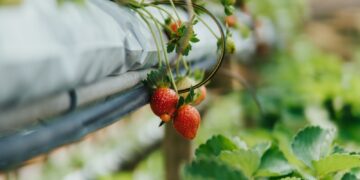
– Drip irrigation: Drip irrigation delivers water directly to the root zone of plants, reducing water loss through evaporation and runoff. It’s a more efficient way to water your garden than traditional sprinklers.
– Rainwater harvesting: Collecting rainwater in a barrel or cistern allows you to use free, natural water to irrigate your garden. Install a rain barrel to capture rainwater from your roof and use it to water your plants during dry spells.
Composting and Soil Health
Healthy soil is the foundation of a thriving garden, and composting is a great way to improve soil health while reducing waste. Compost is a nutrient-rich soil amendment that provides essential minerals and organic matter to your plants. By composting kitchen scraps, yard waste, and other organic materials, you can create a sustainable source of nutrients for your garden and reduce the amount of waste that ends up in landfills.
To start composting, create a compost bin or pile in your backyard and add a mix of green (nitrogen-rich) and brown (carbon-rich) materials. Keep your compost pile moist and aerated, and turn it regularly to speed up the decomposition process. Once your compost is dark, crumbly, and earthy-smelling, it’s ready to use in your garden as a natural fertilizer and soil conditioner.
Integrated Pest Management
Pesticides can harm beneficial insects, pollute waterways, and disrupt the balance of your garden ecosystem. Instead of relying on chemical pesticides, consider using integrated pest management (IPM) techniques to control pests in a more sustainable way. IPM focuses on preventing pest problems through cultural practices, monitoring pest populations, and using natural predators and traps to manage pests when necessary.
Some IPM strategies include planting pest-resistant varieties, rotating crops, and attracting beneficial insects like ladybugs and lacewings to your garden. By promoting a healthy, diverse ecosystem in your garden, you can reduce the need for harmful pesticides and create a more sustainable environment for your plants and wildlife.
Conclusion
Creating a climate-smart garden is a rewarding way to reduce your environmental impact, support biodiversity, and enjoy a thriving garden that adapts to the changing climate. By choosing climate-smart plants, practicing water-wise gardening, composting, and using integrated pest management techniques, you can create a sustainable garden that benefits both your local ecosystem and the planet as a whole. Start small by making a few simple changes to your gardening routine, and watch as your garden flourishes while helping to combat climate change. Together, we can all do our part to grow greener and create a more sustainable future for generations to come.