Power Up Your Home: Top Renewable Energy Investment Tips for Homeowners
As the world continues to shift towards a more sustainable future, many homeowners are exploring ways to power their homes with renewable energy sources. Investing in renewable energy not only helps reduce your carbon footprint but can also save you money in the long run. In this article, we will discuss some of the top renewable energy investment tips for homeowners looking to power up their homes sustainably.
1. Solar Panels
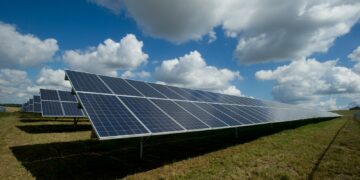
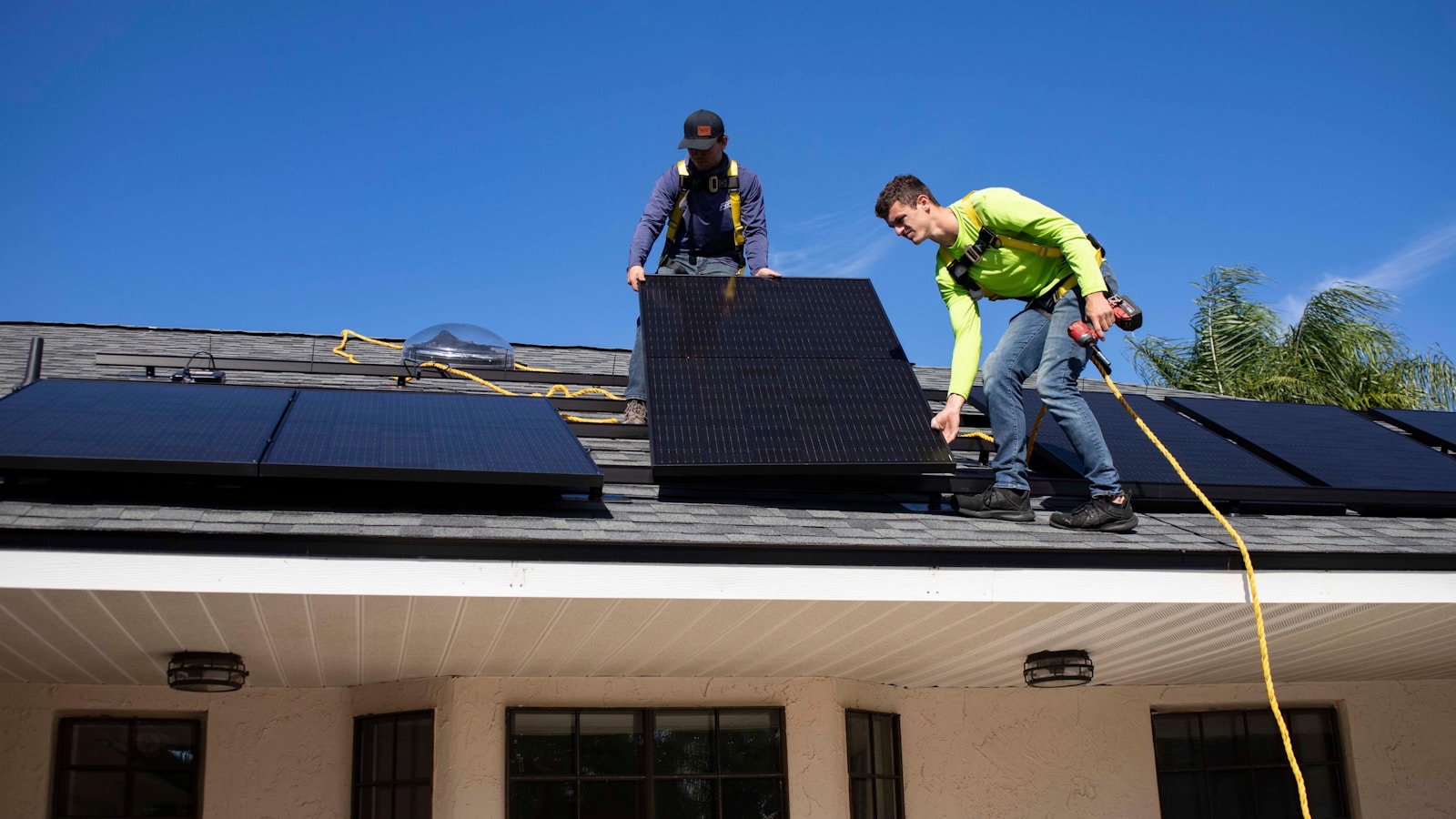
Solar panels are one of the most popular and efficient ways to harness renewable energy for your home. By installing solar panels on your roof, you can generate electricity from the sun’s rays and reduce your reliance on traditional grid power. While the initial cost of installing solar panels can be high, there are many incentives and rebates available that can help offset the cost. Additionally, solar panels can significantly reduce your electricity bills over time, making them a smart long-term investment.
2. Wind Turbines
If you live in an area with consistent wind patterns, installing a wind turbine can be a great way to generate renewable energy for your home. Wind turbines work by converting the kinetic energy of the wind into electricity, which can then be used to power your home. While wind turbines can be more expensive to install than solar panels, they can be a good investment for homeowners looking to diversify their renewable energy sources.
3. Geothermal Heat Pumps
Geothermal heat pumps are another renewable energy option for homeowners looking to power their homes sustainably. These systems use the natural heat stored in the earth to provide heating and cooling for your home. Geothermal heat pumps are highly efficient and can help reduce your energy bills while also reducing your carbon footprint. While the upfront cost of installing a geothermal heat pump can be high, the long-term savings and environmental benefits make it a worthwhile investment.
4. Energy-Efficient Appliances
Investing in energy-efficient appliances is another way to reduce your home’s energy consumption and reliance on traditional power sources. When shopping for new appliances, look for products with the ENERGY STAR label, which indicates that the appliance meets strict energy efficiency guidelines set by the U.S. Environmental Protection Agency. Energy-efficient appliances can help lower your electricity bills and reduce your overall carbon footprint, making them a smart investment for environmentally conscious homeowners.
5. Battery Storage Systems
Installing a battery storage system can help you store excess energy generated by your renewable energy sources for use during times when the sun isn’t shining or the wind isn’t blowing. Battery storage systems can help you maximize the benefits of your renewable energy investment by allowing you to use stored energy when needed. While battery storage systems can be expensive, they can provide peace of mind and help you become more self-sufficient when it comes to powering your home sustainably.
6. Energy Audits
Before making any renewable energy investments, consider conducting an energy audit of your home to identify areas where you can improve energy efficiency. An energy audit can help you pinpoint areas of energy waste and recommend solutions to reduce your energy consumption. By addressing these inefficiencies, you can maximize the benefits of your renewable energy investments and further reduce your carbon footprint.
7. Financing Options
There are many financing options available to help homeowners invest in renewable energy for their homes. From solar loans to energy efficiency mortgages, there are a variety of programs that can help offset the upfront costs of renewable energy installations. Additionally, many states offer incentives and rebates for homeowners who invest in renewable energy, making it more affordable and accessible for homeowners looking to power their homes sustainably.
8. Maintenance and Monitoring
Once you have invested in renewable energy for your home, it is important to stay on top of maintenance and monitoring to ensure your systems are running efficiently. Regular maintenance can help extend the lifespan of your renewable energy systems and maximize their performance. Additionally, monitoring your energy usage can help you identify areas where you can further reduce energy consumption and optimize your renewable energy investment.
Conclusion
Investing in renewable energy for your home is not only a smart financial decision but also a crucial step towards a more sustainable future. By following these renewable energy investment tips, homeowners can power up their homes sustainably while reducing their carbon footprint and saving money in the long run. Whether you choose to install solar panels, wind turbines, geothermal heat pumps, or energy-efficient appliances, there are many options available to help you power your home with clean, renewable energy sources.