Building a Sustainable Future: The Path to Net Zero Energy Homes
In recent years, the focus on sustainability and energy efficiency has become more prominent than ever before. With the looming threat of climate change and the depletion of natural resources, it has become imperative for us to shift towards more sustainable practices in all aspects of our lives, including our homes. Net zero energy homes are at the forefront of this movement towards a more sustainable future, offering a way to reduce our carbon footprint and reliance on non-renewable energy sources. In this article, we will explore the concept of net zero energy homes, the benefits they offer, and how you can build one for yourself.
What are Net Zero Energy Homes?
Net zero energy homes are buildings that produce as much energy as they consume on an annual basis. This means that these homes are designed to be highly energy efficient, utilizing renewable energy sources such as solar panels to generate the electricity needed to power the home. By producing their own energy, net zero energy homes significantly reduce their reliance on the grid and lower their carbon emissions, making them a more sustainable and environmentally friendly housing option.
The Benefits of Net Zero Energy Homes
There are numerous benefits to living in a net zero energy home, both for the homeowner and the environment. Some of the key benefits include:
1. Energy Savings
One of the most significant benefits of net zero energy homes is the potential for long-term energy savings. By generating their own energy, homeowners can reduce or even eliminate their electricity bills, saving money in the long run. Additionally, as energy prices continue to rise, the cost savings of living in a net zero energy home will only increase over time.
2. Environmental Impact
Net zero energy homes have a much lower environmental impact compared to traditional homes. By reducing their reliance on non-renewable energy sources, these homes help to lower carbon emissions and combat climate change. In addition, the use of renewable energy sources such as solar power helps to reduce the overall demand for fossil fuels, further contributing to a more sustainable future.
3. Increased Resilience
Net zero energy homes are also more resilient to power outages and other disruptions to the grid. By generating their own energy, these homes can continue to function even when the grid is down, providing homeowners with greater peace of mind and security.
How to Build a Net Zero Energy Home
Building a net zero energy home requires careful planning and consideration of several key factors. Some of the essential steps to take when building a net zero energy home include:
1. Energy-Efficient Design
The first step in building a net zero energy home is to design the home with energy efficiency in mind. This includes incorporating features such as high-performance windows, insulation, and energy-efficient appliances to minimize energy consumption.
2. Renewable Energy Sources
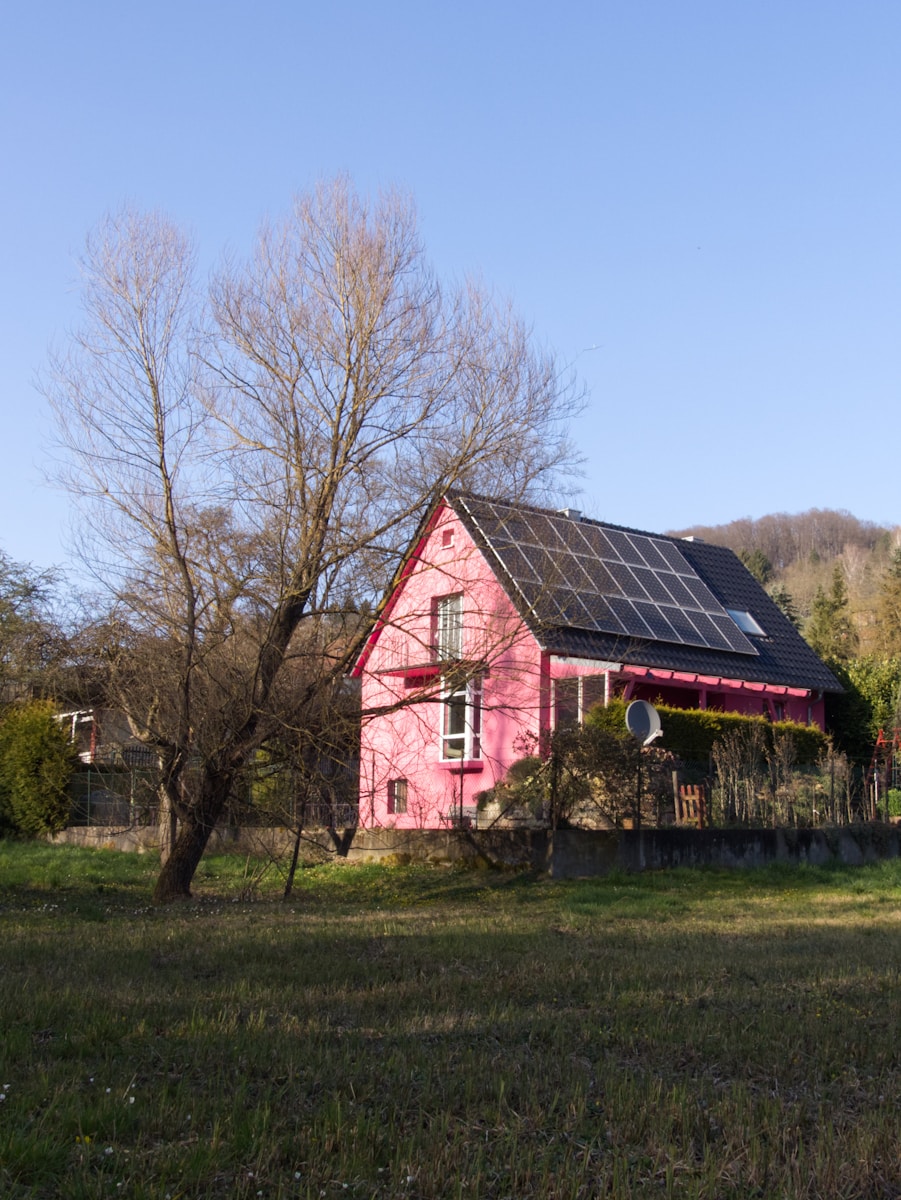
In addition to energy-efficient design, net zero energy homes also rely on renewable energy sources to generate the electricity needed to power the home. Solar panels are one of the most common renewable energy sources used in net zero energy homes, providing a clean and sustainable source of power.
3. Energy Monitoring and Management
Once the home is built, it is essential to monitor and manage energy usage to ensure that the home remains net zero energy. This includes tracking energy consumption, adjusting energy usage patterns, and potentially adding energy storage solutions to store excess energy for later use.
Common Questions about Net Zero Energy Homes
As the popularity of net zero energy homes continues to grow, there are several common questions that homeowners may have about these sustainable housing options. Some of the most frequently asked questions include:
1. How much does it cost to build a net zero energy home?
The cost of building a net zero energy home can vary depending on several factors, including the size of the home, the location, and the specific features included. While the upfront cost of building a net zero energy home may be higher than a traditional home, the long-term energy savings and environmental benefits can offset these costs over time.
2. Are net zero energy homes suitable for all climates?
Net zero energy homes can be designed to be suitable for a wide range of climates, including cold climates where heating is a significant energy expense. By incorporating features such as passive solar design, high levels of insulation, and efficient heating and cooling systems, net zero energy homes can be comfortable and energy-efficient in any climate.
3. How long does it take to recoup the cost of building a net zero energy home?
The time it takes to recoup the cost of building a net zero energy home can vary depending on factors such as energy prices, energy usage patterns, and the specific features of the home. In general, homeowners can expect to recoup the additional upfront costs of building a net zero energy home within 5-10 years through energy savings.
Conclusion
Net zero energy homes offer a sustainable and environmentally friendly housing option for homeowners looking to reduce their carbon footprint and lower their energy bills. By combining energy-efficient design with renewable energy sources, net zero energy homes provide a way to live more sustainably while enjoying the benefits of lower energy costs and increased resilience. As the demand for sustainable housing continues to grow, net zero energy homes are poised to play a significant role in building a more sustainable future for all.
Are you ready to take the next step towards building a net zero energy home? Contact us today to learn more about how you can create a sustainable future for yourself and your family.
Keywords:
Net zero energy homes, sustainable future, energy efficiency, renewable energy sources, carbon footprint, climate change, energy savings, environmental impact, energy-efficient design, solar panels, energy monitoring, common questions, building a net zero energy home.