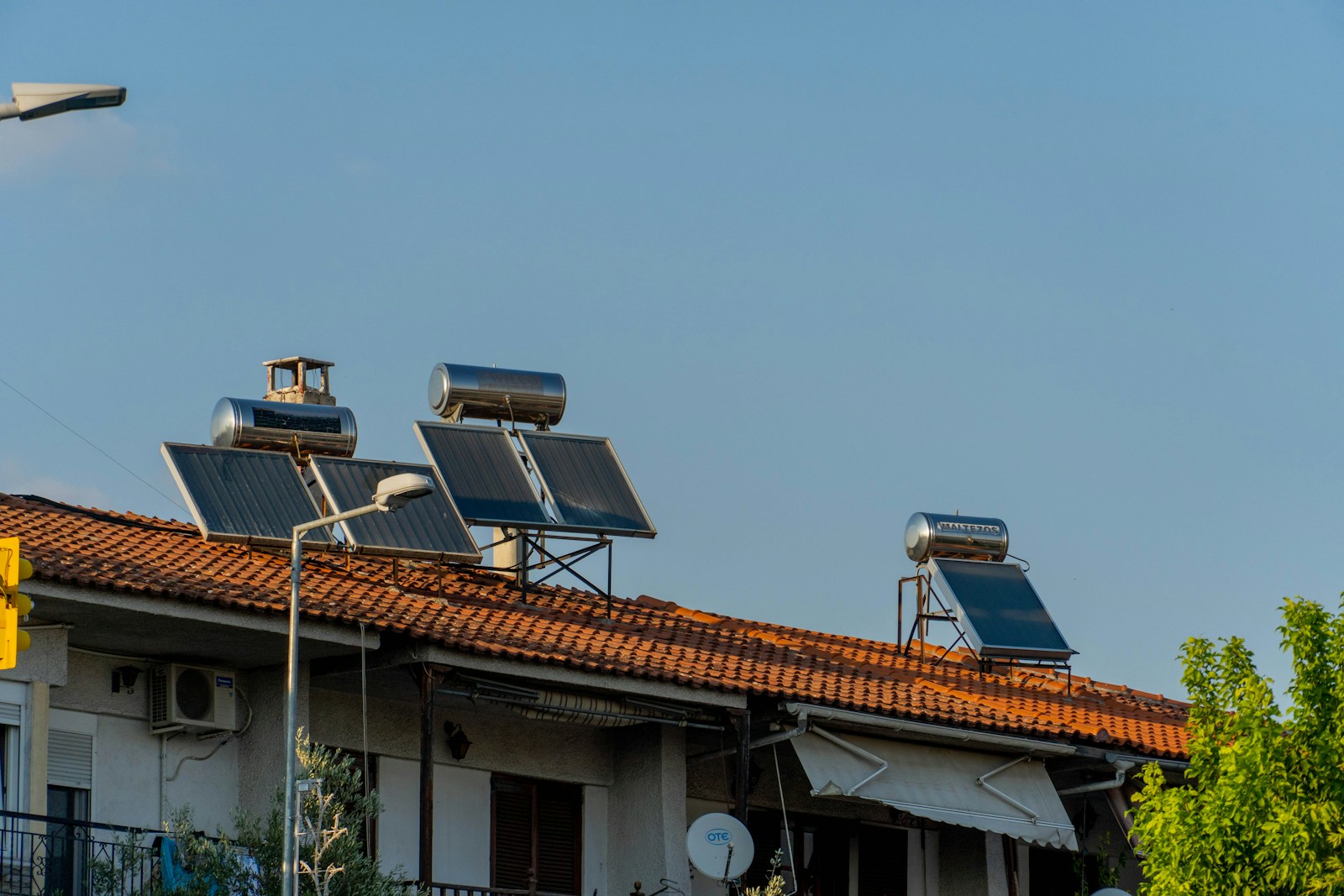
In today’s world, where climate change is a pressing issue and energy costs are on the rise, finding innovative solutions for heating and cooling systems is crucial. One of the most promising technologies that is revolutionizing comfort and sustainability is solar heating and cooling systems. By harnessing the power of the sun, these systems provide efficient and cost-effective ways to heat and cool our homes and buildings. In this article, we will explore the benefits of solar heating and cooling systems, how they work, and why they are becoming increasingly popular.
What are Solar Heating and Cooling Systems?
Solar heating and cooling systems are energy-efficient solutions that utilize the sun’s rays to provide heating and cooling for residential and commercial buildings. These systems typically consist of solar collectors, heat exchangers, pumps, and storage tanks. The solar collectors absorb sunlight and convert it into heat, which is then transferred to a heat exchanger. The heat exchanger then transfers the heat to either a liquid or air, which is then circulated through the building to provide heating or cooling.
Benefits of Solar Heating and Cooling Systems
There are numerous benefits to using solar heating and cooling systems. One of the most significant advantages is that they are environmentally friendly. By using renewable energy from the sun, these systems reduce greenhouse gas emissions and help combat climate change. Additionally, solar heating and cooling systems can significantly reduce energy costs. By relying on the sun’s free and abundant energy, users can save money on their heating and cooling bills.
Another benefit of solar heating and cooling systems is their low maintenance requirements. Once installed, these systems require minimal upkeep, making them a hassle-free and cost-effective solution for heating and cooling needs. Additionally, solar heating and cooling systems can increase the value of a property. As green technology becomes more popular and sought after, properties with solar heating and cooling systems are likely to attract more buyers and command higher prices.
How Do Solar Heating and Cooling Systems Work?
Solar heating and cooling systems work by collecting and converting solar energy into usable heat or cool air. There are two main types of solar heating and cooling systems: active and passive. Active systems use pumps or fans to circulate the heated or cooled air or liquid, while passive systems rely on natural convection to distribute the heat or cool air.
In active solar heating systems, solar collectors absorb sunlight and convert it into heat. The heat is then transferred to a heat exchanger, which can be used to heat water or air. The heated water or air is then circulated through the building to provide heating. In active solar cooling systems, the process is similar, but instead of heating the air, the system cools it by transferring heat away from the building.
Passive solar heating and cooling systems, on the other hand, rely on natural convection and thermal mass to distribute heat or cool air. These systems are typically simpler and cheaper to install than active systems but may not be as efficient in extreme climates.
Why Are Solar Heating and Cooling Systems Becoming Popular?
There are several reasons why solar heating and cooling systems are becoming increasingly popular. One of the main reasons is the growing awareness of the impact of climate change and the importance of reducing carbon emissions. Solar heating and cooling systems offer a clean and renewable alternative to traditional heating and cooling systems, making them an attractive option for environmentally conscious consumers.
Additionally, the cost of solar technology has been steadily decreasing in recent years, making it more affordable for homeowners and businesses to invest in solar heating and cooling systems. As energy costs continue to rise, solar heating and cooling systems provide a way to reduce energy bills and achieve long-term savings.
Furthermore, government incentives and rebates for renewable energy systems, such as solar heating and cooling systems, have made them even more appealing to consumers. These incentives can help offset the initial cost of installation and make solar technology more accessible to a wider range of individuals and businesses.
Common Questions about Solar Heating and Cooling Systems
1. Are solar heating and cooling systems suitable for all climates?
Solar heating and cooling systems can be used in a wide range of climates, but their efficiency may vary depending on factors such as sunlight exposure, temperature fluctuations, and building insulation. It is important to consult with a professional to determine the best system for your specific climate and needs.
2. How much do solar heating and cooling systems cost?
The cost of solar heating and cooling systems can vary depending on the size of the system, the type of installation, and any additional features or upgrades. However, the long-term savings on energy bills and potential incentives can offset the initial cost of installation.
3. How long does it take to recoup the investment in a solar heating and cooling system?
The payback period for a solar heating and cooling system can vary depending on factors such as energy usage, system size, and local incentives. On average, most homeowners can expect to recoup their investment within 5-10 years through energy savings.
4. What maintenance is required for solar heating and cooling systems?
Solar heating and cooling systems require minimal maintenance, but it is important to regularly check for leaks, clean the collectors, and ensure that all components are functioning properly. It is recommended to have a professional inspect and service the system annually to ensure optimal performance.
Conclusion
In conclusion, solar heating and cooling systems offer a sustainable and cost-effective solution for heating and cooling residential and commercial buildings. By harnessing the power of the sun, these systems provide clean and renewable energy that can help reduce carbon emissions, lower energy costs, and increase property value. With the growing awareness of climate change and the decreasing cost of solar technology, solar heating and cooling systems are becoming an increasingly popular choice for eco-conscious consumers. Whether you are looking to reduce your carbon footprint, save money on energy bills, or increase the value of your property, solar heating and cooling systems are a smart and practical investment for a more comfortable and sustainable future.