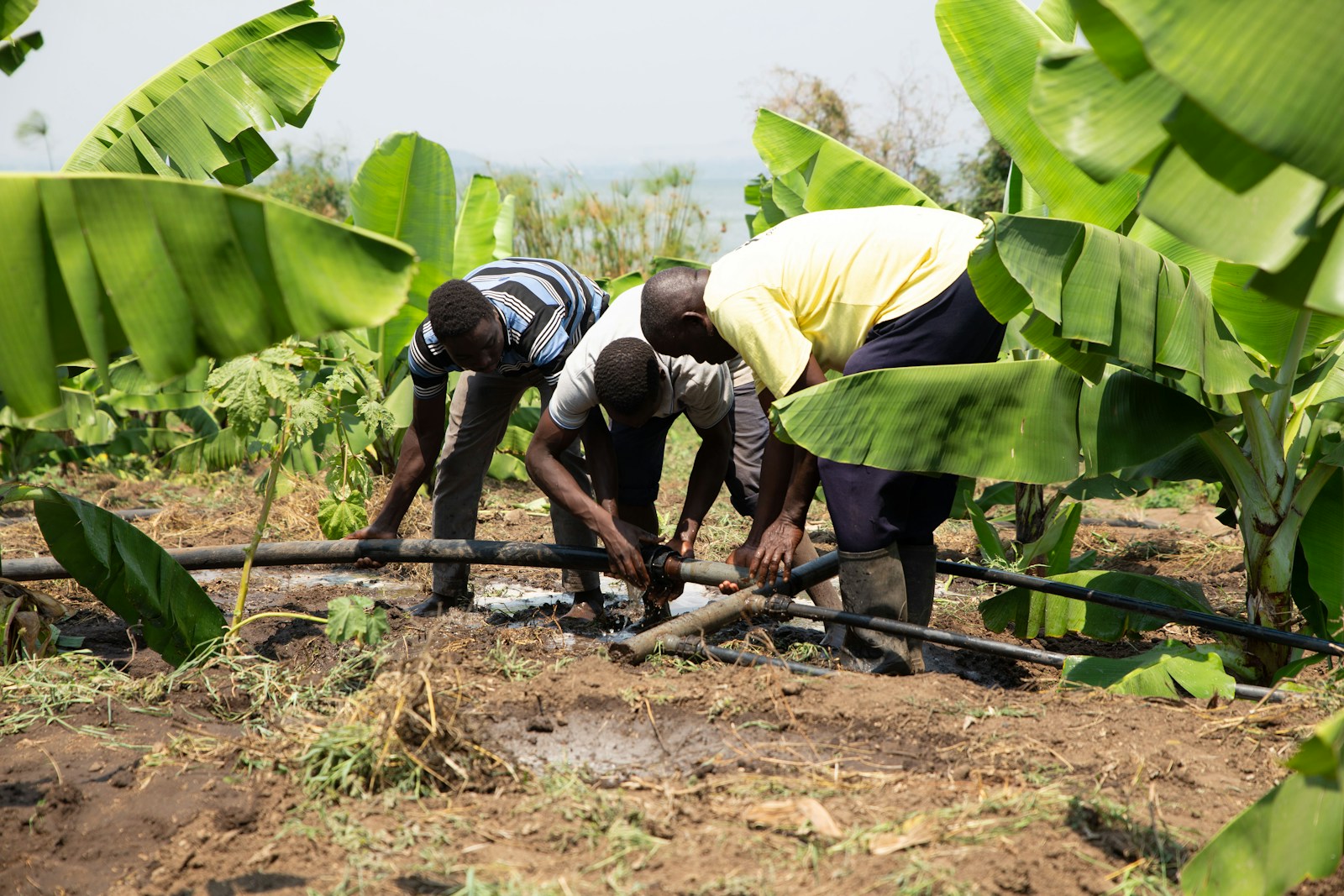
Harvesting Unity: Building a Thriving Community-Supported Agriculture Program
Community-supported agriculture (CSA) programs have gained popularity in recent years as people become more conscious of where their food comes from and how it is produced. These programs connect consumers directly with local farmers, allowing them to receive fresh, seasonal produce while supporting small-scale, sustainable agriculture.
What is Community-Supported Agriculture?
Community-supported agriculture is a system in which consumers purchase a share of a farm’s harvest in advance, typically at the beginning of the growing season. In return, they receive a weekly or bi-weekly box of fresh produce throughout the season. This direct relationship between farmers and consumers helps to build a sense of community and promotes sustainable farming practices.
CSA programs can vary in structure and offerings, but they generally involve a commitment from both the farmer and the consumer. Farmers benefit from the financial support of upfront payments, which helps to cover the costs of seeds, equipment, and labor. Consumers benefit from a steady supply of fresh, locally-grown produce and the satisfaction of knowing where their food comes from.
Building a Successful CSA Program
Building a successful CSA program requires careful planning, strong communication, and a commitment to fostering community relationships. Here are some key steps to consider when starting or expanding a CSA program:
1. Identify Your Market
Before launching a CSA program, it’s important to research and understand your target market. Consider the demographics of your community, their preferences for produce, and their willingness to participate in a CSA program. You may also want to survey potential customers to gauge interest and gather feedback on what types of produce they would like to see in their CSA boxes.
2. Plan Your Crop Selection
Once you have a sense of your market, you can begin planning your crop selection for the season. Consider the climate and growing conditions in your region, as well as your own farming expertise and resources. It’s important to strike a balance between popular, high-demand crops and more unique or niche offerings to keep your CSA members engaged and excited each week.
3. Set Your Pricing and Payment Structure
Determine how much you will charge for CSA shares and what payment options you will offer. Some CSA programs require full payment upfront, while others allow for installment payments throughout the season. Consider offering different share sizes or pricing tiers to accommodate a range of budgets and household sizes.
4. Establish Pickup or Delivery Logistics
Decide how and where your CSA members will receive their weekly boxes of produce. Some CSA programs offer on-farm pickup, while others provide delivery to local drop-off points or even direct to members’ homes. Consider the logistics of packing and distributing the produce, as well as the convenience and accessibility for your members.
5. Communicate Regularly with Your Members
Strong communication is key to building a loyal and engaged community of CSA members. Keep your members informed about what to expect each week, including the contents of their box, any special events or promotions, and updates from the farm. Consider creating a newsletter or social media presence to stay connected with your members throughout the season.
Benefits of Community-Supported Agriculture
There are many benefits to participating in a community-supported agriculture program, both for consumers and farmers. Some of the key benefits include:
1. Fresh, Seasonal Produce
CSA members receive a weekly supply of fresh, seasonal produce that is harvested at its peak ripeness. This means that the produce is more flavorful, nutritious, and environmentally sustainable than many store-bought options.
2. Support for Local Farmers
By participating in a CSA program, consumers directly support local farmers and their families. This financial support helps farmers cover the costs of production and stay in business, even during challenging times like droughts or market fluctuations.
3. Community Building
CSA programs help to build a sense of community among members, farmers, and local businesses. Members have the opportunity to connect with each other at pickup locations or farm events, fostering a sense of belonging and shared values around food and agriculture.
Conclusion
Community-supported agriculture programs are a valuable way to strengthen local food systems, support small-scale farmers, and promote healthy, sustainable eating habits. By following these key steps and building strong relationships with your community, you can create a thriving CSA program that benefits both farmers and consumers alike.
Remember, the key to success is to listen to your members, communicate openly and regularly, and adapt to changing needs and preferences. By working together with your community, you can harvest unity and build a thriving CSA program that nourishes both bodies and souls.