Harnessing the Breeze: How Residential Wind Turbines Are Revolutionizing Energy Efficiency
As the world continues to grapple with the challenges of climate change and environmental degradation, the need for sustainable energy solutions has never been more urgent. One of the most promising technologies in this regard is residential wind turbines, which harness the power of the breeze to generate clean, renewable electricity. In this article, we will explore the benefits of residential wind turbines, how they work, and how they are revolutionizing energy efficiency in homes around the world.
The Benefits of Residential Wind Turbines
There are numerous benefits to installing a residential wind turbine on your property. One of the most obvious advantages is that wind is a free and abundant resource, making it a cost-effective way to generate electricity. In addition, wind turbines produce no greenhouse gas emissions or other pollutants, making them a clean and environmentally friendly energy source.
Another key benefit of residential wind turbines is their versatility. They can be installed in a wide range of locations, from urban rooftops to rural farmland, making them suitable for a variety of settings. Additionally, wind turbines can be easily integrated with other renewable energy technologies, such as solar panels, to create a more comprehensive and efficient energy system.
How Residential Wind Turbines Work
Residential wind turbines work on the same basic principle as their larger commercial counterparts. When the wind blows, it causes the blades of the turbine to rotate, which in turn drives a generator to produce electricity. This electricity can then be used to power appliances, lighting, and other electrical devices in the home.
There are two main types of residential wind turbines: horizontal-axis turbines, which have blades that rotate around a horizontal axis, and vertical-axis turbines, which have blades that rotate around a vertical axis. Horizontal-axis turbines are more common and generally more efficient, but vertical-axis turbines are better suited for urban and other constrained environments.
Revolutionizing Energy Efficiency
Residential wind turbines are revolutionizing energy efficiency by providing homeowners with a clean, renewable source of electricity that can help reduce their reliance on fossil fuels. By generating their own electricity, homeowners can lower their energy bills and reduce their carbon footprint, while also contributing to the overall transition to a more sustainable energy system.
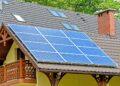
One of the key advantages of residential wind turbines is that they can help to offset the intermittency of solar power. While solar panels generate electricity during the day when the sun is shining, wind turbines can continue to produce electricity at night and during periods of low sunlight. By combining solar panels with a wind turbine, homeowners can create a more reliable and consistent source of renewable energy.
Common Questions About Residential Wind Turbines
1. How much electricity can a residential wind turbine generate?
The amount of electricity that a residential wind turbine can generate depends on a variety of factors, including the size and location of the turbine, the prevailing wind conditions, and the efficiency of the turbine itself. On average, a residential wind turbine can generate anywhere from 1,000 to 10,000 kilowatt-hours of electricity per year, which is enough to power a typical home.
2. Are residential wind turbines noisy?
While older wind turbines were known for being noisy, modern residential wind turbines are designed to be much quieter. The noise levels of a wind turbine will vary depending on the size and model of the turbine, as well as the distance from neighboring properties. In general, most residential wind turbines are not significantly louder than background noise levels.
3. How much does it cost to install a residential wind turbine?
The cost of installing a residential wind turbine can vary widely depending on the size and model of the turbine, the location of the property, and other factors. On average, a residential wind turbine can cost anywhere from $10,000 to $50,000 to install, including the cost of the turbine itself, installation, and any necessary permits or approvals.
Conclusion
Residential wind turbines are a promising technology that is revolutionizing energy efficiency in homes around the world. By harnessing the power of the breeze, homeowners can generate clean, renewable electricity and reduce their reliance on fossil fuels. With their numerous benefits, including cost-effectiveness, environmental friendliness, and versatility, residential wind turbines are an important part of the transition to a more sustainable energy system.
Whether you live in a rural area with strong winds or an urban environment with limited space, residential wind turbines can be a viable option for generating your own electricity and contributing to a greener future. With their potential to offset the intermittency of solar power and provide a reliable source of renewable energy, residential wind turbines are a key technology in the fight against climate change and environmental degradation.