The Future of Sustainable Living: Eco-Conscious Architecture Trends
Introduction
In recent years, the concept of sustainable living has gained significant traction as people become more aware of the environmental impact of their choices. This shift towards eco-consciousness has extended to the field of architecture, with designers and builders increasingly embracing sustainable practices and materials. As we look ahead to 2025, it’s clear that eco-conscious architecture will continue to play a crucial role in shaping the future of our built environment. In this article, we’ll explore some of the key trends to watch out for in sustainable architecture in the coming years.
Green Roofs and Living Walls
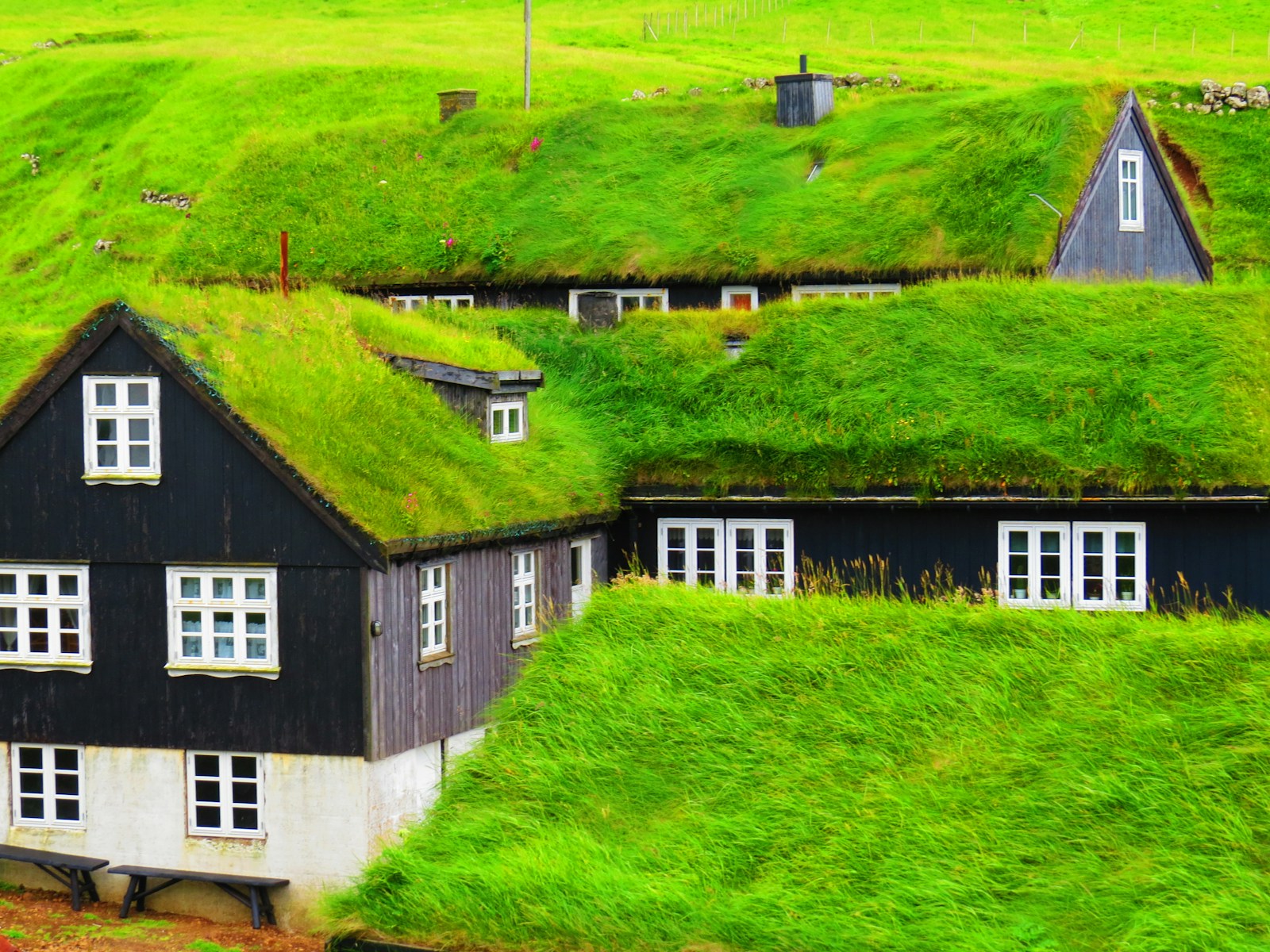
One of the most visually striking trends in eco-conscious architecture is the use of green roofs and living walls. These features not only enhance the aesthetic appeal of a building but also provide a range of environmental benefits. Green roofs help to insulate buildings, reducing energy consumption for heating and cooling. They also absorb rainwater, reducing runoff and the strain on urban drainage systems. Living walls, on the other hand, improve air quality by filtering pollutants and releasing oxygen into the surrounding environment. In 2025, we can expect to see more buildings incorporating these green features as a standard practice.
Passive Design Principles
Passive design principles are another key trend in sustainable architecture that will continue to gain momentum in 2025. Passive design focuses on maximizing natural light, heat, and ventilation to reduce the need for artificial heating and cooling. This approach not only reduces energy consumption but also creates more comfortable and healthier indoor environments. In the coming years, we can expect to see buildings designed with features such as large windows, shading devices, and natural ventilation systems to optimize energy efficiency and occupant comfort.
Net-Zero and Positive Energy Buildings
Net-zero and positive energy buildings are becoming increasingly common as the demand for sustainable construction grows. Net-zero buildings are designed to produce as much energy as they consume over the course of a year, typically through a combination of energy-efficient design, renewable energy sources, and energy storage systems. Positive energy buildings go a step further by producing more energy than they consume, feeding excess energy back into the grid. In 2025, we can expect to see a greater number of buildings striving to achieve net-zero or positive energy status as the technology and practices continue to evolve.
Recycled and Locally Sourced Materials
The use of recycled and locally sourced materials is a growing trend in sustainable architecture that will continue to shape the industry in 2025. By using materials that have been repurposed or sourced from nearby suppliers, architects can reduce the environmental impact of construction and support local economies. Recycled materials such as reclaimed wood, recycled concrete, and salvaged steel can be used to create unique and visually appealing structures while reducing waste and carbon emissions. In the coming years, we can expect to see more buildings incorporating these sustainable materials into their design.
Smart Building Technologies
Smart building technologies are revolutionizing the way we design, construct, and operate buildings, and this trend is set to continue in 2025. By integrating sensors, automation systems, and data analytics, architects and builders can create buildings that are more energy-efficient, comfortable, and responsive to their occupants’ needs. Smart technologies can optimize lighting, heating, and cooling systems, monitor air quality, and even adjust the building’s layout in real-time to maximize energy efficiency. In the future, we can expect to see more buildings incorporating these technologies to create smarter, more sustainable spaces.
Conclusion
As we look ahead to 2025, it’s clear that eco-conscious architecture will continue to play a crucial role in shaping the future of our built environment. From green roofs and passive design principles to net-zero buildings and smart technologies, the trends in sustainable architecture are diverse and innovative. By embracing these trends and incorporating sustainable practices and materials into their designs, architects and builders can create buildings that are not only environmentally friendly but also visually striking, comfortable, and efficient. The future of sustainable living looks bright, and it’s up to us to make it a reality.