From Farm to Table: Insider Tips for Growing Fresh Produce for Local Markets
When it comes to providing fresh, locally grown produce for your community, there are a few key tips and tricks that can help you maximize your yield and ensure a successful harvest. Whether you’re a seasoned farmer looking to expand your market or a beginner just getting started, these insider tips will help guide you through the process of growing and selling produce for local markets.
Choosing the Right Crops
One of the most important factors in growing produce for local markets is selecting the right crops to grow. Consider the climate and soil conditions in your area, as well as the demand for certain types of produce in your community. Popular choices for local markets include tomatoes, cucumbers, peppers, and leafy greens like lettuce and kale.
It’s also important to consider the timing of your crops. Planting a variety of crops that mature at different times can help ensure a steady supply of fresh produce throughout the growing season.
Preparing Your Soil
Before planting your crops, it’s essential to prepare your soil to provide the nutrients and drainage necessary for healthy plant growth. Test your soil to determine its pH level and nutrient content, and make any necessary adjustments to ensure optimal growing conditions.
Consider adding organic matter like compost or manure to improve soil structure and fertility. Mulching can also help retain moisture and suppress weeds, reducing the need for chemical herbicides.
Planting and Watering
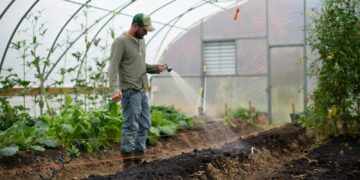
When planting your crops, be sure to follow spacing recommendations to allow for proper air circulation and prevent disease. Watering is also crucial for healthy plant growth, especially during hot, dry weather. Be sure to water your crops consistently, aiming for deep, infrequent watering to encourage deep root growth.
Consider investing in a drip irrigation system to provide water directly to the roots of your plants, reducing water waste and promoting efficient use of resources.
Managing Pests and Diseases
Pests and diseases can wreak havoc on your crops, so it’s essential to take preventive measures to protect your plants. Consider using natural predators like ladybugs or praying mantises to control pests, or plant companion crops that repel harmful insects.
Regularly inspect your plants for signs of disease, and promptly remove any affected plants to prevent the spread of infection. Consider using organic pesticides and fungicides if necessary, but be sure to follow the label instructions carefully to avoid harmful effects on beneficial insects and wildlife.
Harvesting and Selling
Once your crops are ready for harvest, it’s essential to handle them properly to ensure maximum freshness and quality. Harvest your produce in the early morning when temperatures are cool, and store them in a cool, dark place to prolong shelf life.
When selling your produce at local markets, presentation is key. Display your fruits and vegetables attractively, and be sure to provide clear signage indicating the prices and varieties of your products. Consider offering samples to entice customers and encourage them to try new produce.
Conclusion
Growing fresh produce for local markets can be a rewarding and profitable venture, but it requires careful planning and attention to detail. By following these insider tips, you can maximize your yield and ensure a successful harvest that will delight customers and support your local community.
Remember to choose the right crops, prepare your soil, plant and water your crops carefully, manage pests and diseases effectively, and handle your harvest with care. With a little hard work and dedication, you can provide your community with fresh, locally grown produce that will keep them coming back for more.