# Harvesting Diversity: The Key to Sustainable Farming Practices for a Thriving Ecosystem
In recent years, sustainability has become a hot topic in the agricultural industry. With the increasing awareness of the impact of conventional farming practices on the environment, farmers are now looking for ways to adopt more sustainable methods that promote biodiversity and support a thriving ecosystem. One such method is harvesting diversity, which involves planting a variety of crops and utilizing diverse farming practices to create a more resilient and sustainable agricultural system.
## What is Harvesting Diversity?
Harvesting diversity is a farming practice that involves growing a wide range of crops on a single farm, as opposed to monocropping, where only one crop is grown. By planting a diverse range of crops, farmers can improve soil health, reduce the risk of pests and diseases, and increase the overall resilience of their farm. In addition to planting different crops, harvesting diversity also involves utilizing diverse farming practices such as crop rotation, cover cropping, and agroforestry.
### Benefits of Harvesting Diversity
There are numerous benefits to harvesting diversity on a farm. One of the main advantages is improved soil health. When a variety of crops are grown on a farm, they each have different nutrient requirements, which can help prevent soil depletion. Additionally, diverse crops can help break up pest and disease cycles, reducing the need for chemical inputs. Harvesting diversity also promotes biodiversity on the farm, providing habitat for beneficial insects, birds, and other wildlife.
## Sustainable Farming Practices
In addition to planting diverse crops, sustainable farming practices play a crucial role in promoting a thriving ecosystem. Crop rotation is a common practice that involves planting different crops in a specific sequence to improve soil health and reduce pests and diseases. Cover cropping involves planting a non-cash crop to protect and improve the soil between cash crop plantings. Agroforestry is another sustainable farming practice that combines trees and shrubs with crops and livestock to create a more diverse and resilient farm ecosystem.
### The Role of Pollinators
Pollinators play a vital role in sustainable farming practices. Bees, butterflies, and other pollinators are essential for the reproduction of many crops, including fruits, vegetables, and nuts. By creating habitat for pollinators on the farm, farmers can improve crop yields and promote biodiversity. Planting native flowering plants, providing water sources, and reducing pesticide use are all ways to support pollinators on the farm.
## Common Questions about Harvesting Diversity
### How does harvesting diversity benefit the environment?
Harvesting diversity benefits the environment in several ways. By planting a variety of crops, farmers can improve soil health, reduce the need for chemical inputs, and promote biodiversity. Diverse farms are also more resilient to climate change and extreme weather events.
### What are some examples of diverse crops?
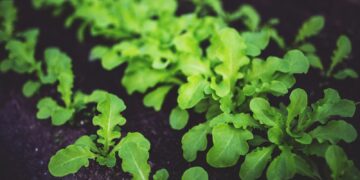
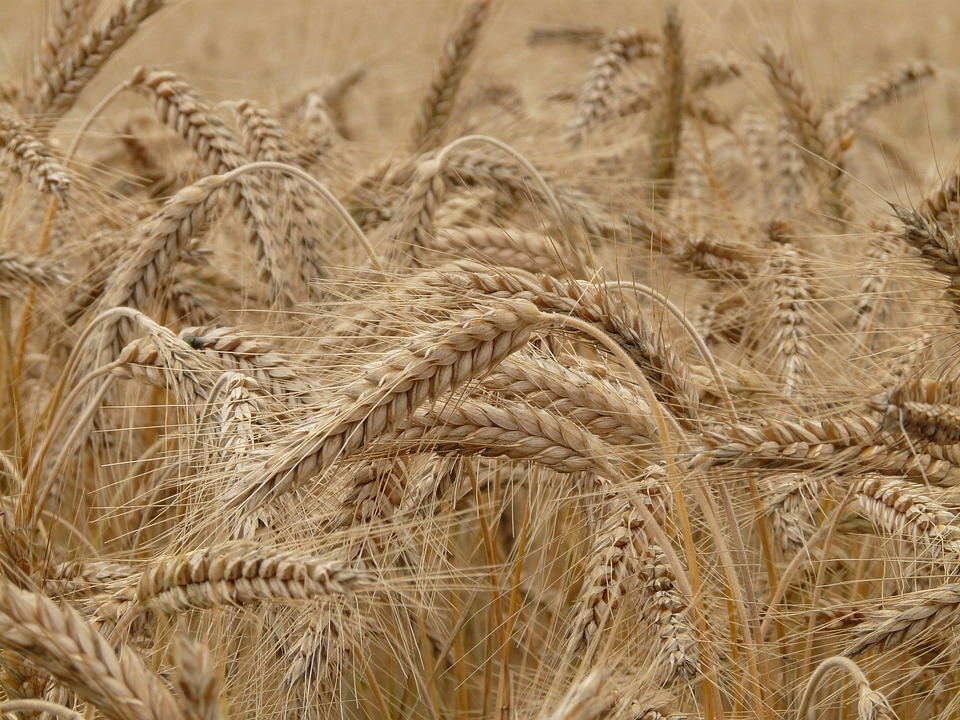
Some examples of diverse crops include grains, vegetables, fruits, legumes, and cover crops. Farmers can also incorporate livestock and trees into their farming system to increase diversity.
### How can farmers implement harvesting diversity on their farms?
Farmers can implement harvesting diversity on their farms by planting a variety of crops, using sustainable farming practices, and creating habitat for pollinators and other wildlife. By diversifying their farming system, farmers can create a more resilient and sustainable agricultural ecosystem.
## Conclusion
Harvesting diversity is a key component of sustainable farming practices that can help promote a thriving ecosystem and support a more resilient agricultural system. By planting a variety of crops, utilizing diverse farming practices, and supporting pollinators, farmers can create a more sustainable and environmentally friendly farm. Embracing diversity in agriculture is not only beneficial for the environment but also for the long-term success and profitability of the farm. By adopting these practices, farmers can contribute to a more sustainable future for agriculture and help create a thriving ecosystem for generations to come.