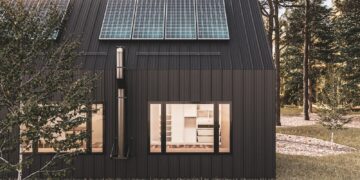
Powering the Future: Off-Grid Solar Solutions for Remote Living
Living off the grid in remote areas presents unique challenges when it comes to accessing reliable power sources. Traditional electricity grids often do not reach these remote locations, leaving residents with limited options for powering their homes and businesses. However, with advancements in solar technology, off-grid solar solutions are becoming a popular and sustainable alternative for remote living.
The Benefits of Off-Grid Solar Solutions
Off-grid solar solutions offer a range of benefits for those living in remote areas. One of the primary advantages is the ability to generate electricity independently of the main grid, providing energy security even in the most isolated locations. Additionally, off-grid solar systems are environmentally friendly, producing clean and renewable energy that reduces reliance on fossil fuels.
Another key benefit of off-grid solar solutions is their cost-effectiveness in the long run. While the initial investment may be higher compared to traditional power sources, such as diesel generators, off-grid solar systems have lower operating costs and require minimal maintenance. This makes them a more sustainable and affordable option for remote living.
Common Questions About Off-Grid Solar Solutions
As off-grid solar solutions gain popularity, many people have questions about how these systems work and whether they are suitable for their needs. Here are some common questions and answers to help you understand off-grid solar technology:
How do off-grid solar systems work?
Off-grid solar systems generate electricity by converting sunlight into usable power through photovoltaic (PV) panels. The panels collect sunlight and convert it into direct current (DC) electricity, which is then stored in batteries for use when the sun is not shining. An inverter is used to convert the DC electricity into alternating current (AC) for powering appliances and devices in the home.
What size off-grid solar system do I need?
The size of the off-grid solar system you need depends on your energy requirements and the amount of sunlight available in your location. A professional solar installer can help you determine the right system size based on factors such as your daily energy consumption, the number of appliances you need to power, and the climate conditions in your area.
What are the advantages of off-grid solar solutions over traditional power sources?
Off-grid solar solutions offer several advantages over traditional power sources, such as diesel generators. These include lower operating costs, reduced environmental impact, and energy independence. Off-grid solar systems also require less maintenance and provide a reliable source of power even in remote locations where grid electricity is not available.
Choosing the Right Off-Grid Solar System
When selecting an off-grid solar system for remote living, it is essential to consider several factors to ensure that the system meets your energy needs and budget. Here are some key considerations to keep in mind:
Energy requirements:
Determine your daily energy consumption and the appliances you need to power to calculate the size of the off-grid solar system you need. Consider factors such as the number of lights, appliances, and electronic devices you use regularly to ensure that the system can meet your energy needs.
Sunlight availability:
Assess the amount of sunlight available in your location to determine the efficiency of the off-grid solar system. Consider factors such as the angle of your roof, shading from trees or buildings, and the climate conditions in your area to maximize the system’s performance and energy production.
Budget and financing:
Consider your budget and financing options when choosing an off-grid solar system. While the initial investment may be higher than traditional power sources, such as diesel generators, off-grid solar systems offer long-term cost savings and environmental benefits. Explore financing options, such as solar loans or leases, to make the system more affordable.
Conclusion
Off-grid solar solutions are a sustainable and cost-effective option for powering remote living in areas where traditional electricity grids do not reach. These systems offer energy security, environmental benefits, and long-term cost savings, making them an attractive choice for those seeking independence from the main grid. By understanding how off-grid solar systems work, choosing the right system size, and considering factors such as sunlight availability and budget, you can power your future with clean and renewable energy.
With advancements in solar technology and increasing awareness of the benefits of off-grid solar solutions, remote living is becoming more accessible and sustainable than ever before. By harnessing the power of the sun, individuals and communities in remote areas can enjoy reliable and renewable energy for years to come.