Maximizing Yield, Minimizing Footprint: Low-Impact Farming Strategies for Small Plots
Farming on a small plot of land comes with its own set of challenges. Limited space means that every square inch must be utilized efficiently to maximize yield. However, with the growing concern for environmental sustainability, it is also important to minimize the environmental footprint of farming practices. In this article, we will discuss low-impact farming strategies that are ideal for small plots, allowing farmers to achieve high yields while minimizing their impact on the environment.
Choosing the Right Crops
One of the key factors in maximizing yield on a small plot is choosing the right crops to grow. Opt for high-yield, high-value crops that are well-suited to your climate and soil conditions. Consider crops that have a short growing season or can be grown vertically to make the most of limited space. Some examples of high-yield crops for small plots include tomatoes, peppers, cucumbers, and leafy greens.
Intensive Planting
Intensive planting is a technique that involves planting crops closer together than traditional spacing methods. This can help maximize yield on a small plot by making the most of limited space. However, it is important to ensure that plants have enough room to grow and receive adequate sunlight and nutrients. Companion planting can also be used to maximize space and yield by planting complementary crops together.
Vertical Gardening
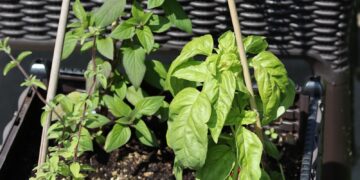
Vertical gardening is another effective way to maximize yield on a small plot. By growing crops vertically on trellises, stakes, or other structures, farmers can make use of vertical space and increase the overall productivity of their plot. Crops such as pole beans, cucumbers, and tomatoes are well-suited for vertical gardening and can thrive in this type of environment.
Utilizing Raised Beds
Raised beds are an excellent option for small plots as they provide better drainage, improved soil quality, and increased aeration. By building raised beds, farmers can create a more controlled growing environment and maximize yield. Raised beds also help to minimize soil compaction and erosion, making them a sustainable choice for small-scale farming.
Composting and Mulching
Composting and mulching are essential practices for low-impact farming on small plots. Composting provides a free source of nutrients for crops and helps to improve soil health, while mulching helps to retain moisture, suppress weeds, and reduce the need for chemical fertilizers and pesticides. By incorporating composting and mulching into their farming practices, farmers can reduce their environmental footprint and promote sustainable agriculture.
Water Conservation
Water conservation is crucial for small-scale farming, especially in areas with limited water resources. By implementing water-saving techniques such as drip irrigation, rainwater harvesting, and using mulch to retain moisture, farmers can reduce their water usage and minimize their impact on the environment. Proper watering schedules and monitoring soil moisture levels can also help to ensure that crops receive the right amount of water without wastage.
Integrated Pest Management
Integrated pest management (IPM) is a sustainable approach to pest control that focuses on prevention, monitoring, and control. By using techniques such as crop rotation, beneficial insects, and trap crops, farmers can reduce their reliance on chemical pesticides and minimize their impact on the environment. IPM helps to maintain a healthy balance in the ecosystem, allowing crops to thrive without the need for harmful chemicals.
Conclusion
Maximizing yield and minimizing environmental impact are two key goals for small-scale farmers. By implementing low-impact farming strategies such as choosing the right crops, intensive planting, vertical gardening, raised beds, composting and mulching, water conservation, and integrated pest management, farmers can achieve high yields while reducing their footprint on the environment. These practices not only benefit the environment but also contribute to the long-term sustainability of small-scale farming operations.
By adopting these low-impact farming strategies, small-scale farmers can achieve success while also promoting environmental sustainability and responsible stewardship of the land. With careful planning, innovative techniques, and a commitment to sustainable practices, small plots can be transformed into productive, efficient, and environmentally friendly farms.
It is important for farmers to continuously educate themselves on the latest advancements in low-impact farming practices and stay informed on best practices for sustainable agriculture. By working together to promote sustainable farming practices, small-scale farmers can help to create a more environmentally conscious and resilient food system for future generations.