Hydroponic Harvest: A Beginner’s Guide to Thriving in Soil-Free Farming
Hydroponic farming is a revolutionary method of growing plants without the use of soil. Instead, plants are grown in nutrient-rich water solutions, providing them with everything they need to thrive. This soil-free approach to farming offers numerous benefits, including increased yields, faster growth rates, and the ability to grow crops in limited spaces. If you’re interested in exploring the world of hydroponics, this beginner’s guide will provide you with all the information you need to get started.
What is Hydroponic Farming?
Hydroponic farming is a method of growing plants without the use of soil. Instead, plants are grown in water-based nutrient solutions, providing them with all the essential nutrients they need to grow and thrive. This soil-free approach to farming offers numerous benefits, including increased yields, faster growth rates, and the ability to grow crops in limited spaces.
Benefits of Hydroponic Farming
There are several benefits to hydroponic farming, including:
- Increased Yields: Hydroponic systems are able to provide plants with the precise amount of nutrients they need, leading to increased yields.
- Faster Growth Rates: Plants grown hydroponically tend to grow faster than those grown in soil, allowing for quicker harvests.
- Space Efficiency: Hydroponic systems can be set up in small spaces, making them ideal for urban farming or indoor gardening.
- Water Conservation: Hydroponic systems use significantly less water than traditional farming methods, making them a more sustainable option.
Types of Hydroponic Systems
There are several different types of hydroponic systems, each with its own unique advantages and disadvantages. Some of the most common types of hydroponic systems include:
Deep Water Culture (DWC)
Deep Water Culture (DWC) systems involve suspending plant roots in a nutrient-rich water solution. This system is simple to set up and is ideal for beginners.
Nutrient Film Technique (NFT)
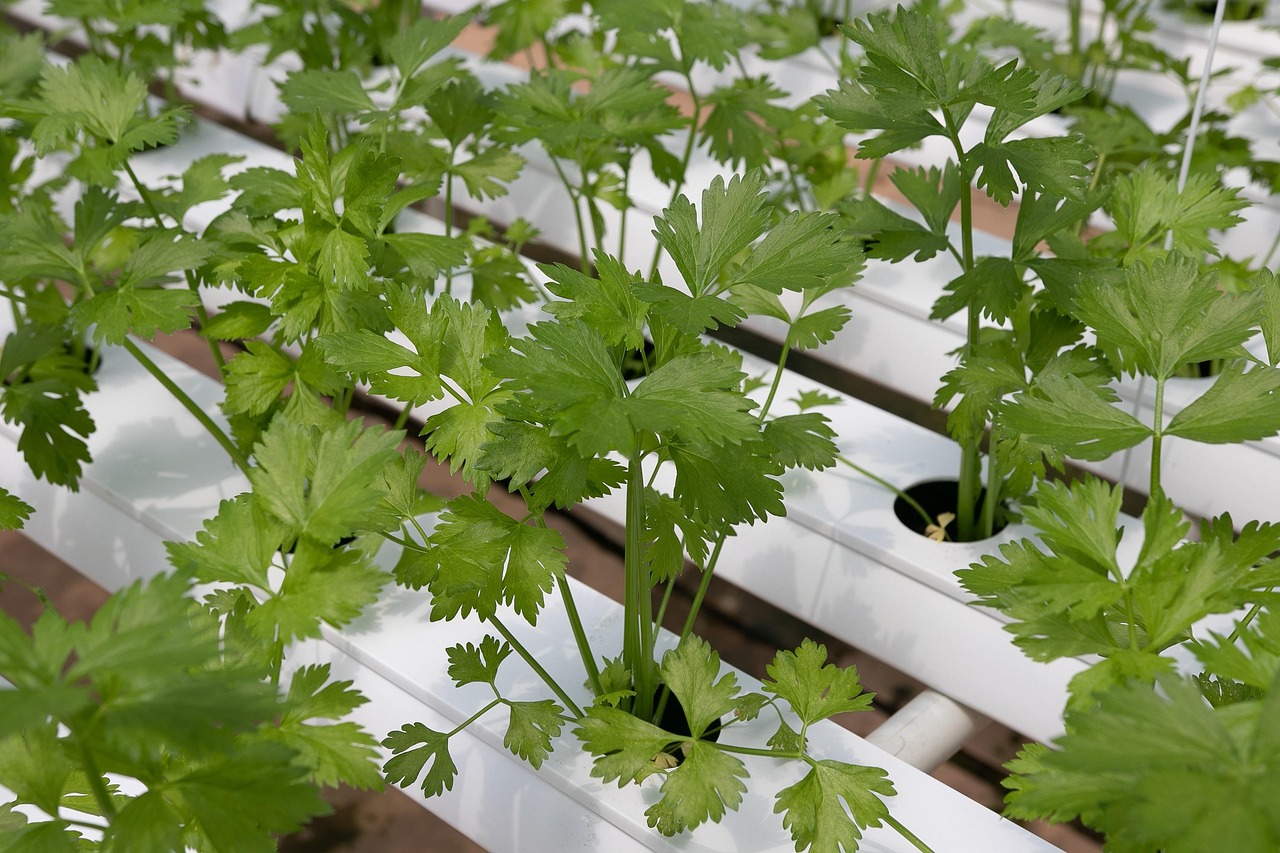
Nutrient Film Technique (NFT) systems involve growing plants in a shallow stream of nutrient solution. This system is highly efficient and can be used to grow a wide variety of crops.
Drip System
Drip systems involve delivering nutrient solution directly to the plant roots via a series of tubes and emitters. This system is versatile and can be used in a variety of growing environments.
Aeroponic System
Aeroponic systems involve suspending plant roots in a mist of nutrient solution. This system is highly efficient and can produce impressive yields.
Getting Started with Hydroponic Farming
Now that you understand the basics of hydroponic farming, it’s time to get started. Here are some steps to help you begin your hydroponic journey:
Choose a Growing Medium
When setting up a hydroponic system, you’ll need to choose a growing medium to support your plants. Some common options include rockwool, perlite, and coconut coir.
Select a Hydroponic System
Next, you’ll need to choose a hydroponic system that suits your needs and growing environment. Consider factors such as space, budget, and the types of crops you want to grow.
Set Up Your System
Once you’ve chosen a growing medium and a hydroponic system, it’s time to set up your system. Follow the manufacturer’s instructions carefully to ensure your system is properly installed.
Add Nutrients
Plants grown hydroponically require specific nutrients to thrive. Be sure to add the appropriate nutrients to your water solution according to the manufacturer’s recommendations.
Monitor Your Plants
Regularly monitor your plants for signs of nutrient deficiencies, pests, or diseases. Adjust your nutrient solution as needed to ensure your plants remain healthy and thriving.
Common Questions About Hydroponic Farming
Is hydroponic farming sustainable?
Yes, hydroponic farming is considered a sustainable farming method. Hydroponic systems use significantly less water than traditional farming methods and can be set up in small spaces, making them ideal for urban farming.
What types of crops can be grown hydroponically?
Virtually any type of crop can be grown hydroponically, including leafy greens, herbs, fruits, and vegetables. Some popular crops grown hydroponically include lettuce, tomatoes, and strawberries.
Do hydroponic plants require sunlight?
Yes, hydroponic plants require sunlight to photosynthesize and grow. If you’re growing plants indoors, be sure to provide them with adequate light through grow lights or natural sunlight.
How often should I change the nutrient solution in my hydroponic system?
The frequency with which you should change the nutrient solution in your hydroponic system will depend on factors such as the size of your system, the types of plants you’re growing, and the temperature of your growing environment. As a general rule of thumb, it’s a good idea to change the nutrient solution every 1-2 weeks.
Conclusion
Hydroponic farming is a soil-free method of growing plants that offers numerous benefits, including increased yields, faster growth rates, and space efficiency. By choosing the right hydroponic system, selecting the appropriate growing medium, and providing your plants with the necessary nutrients, you can enjoy a successful hydroponic harvest. Whether you’re a beginner or an experienced gardener, hydroponic farming is a rewarding and sustainable way to grow your own fresh produce.
Start your hydroponic journey today and experience the joys of soil-free farming!