Harvesting the Future: Building a Thriving Sustainable Aquaponics System
In recent years, the concept of aquaponics has gained significant attention as a sustainable and efficient method of food production. By combining aquaculture (the raising of fish) with hydroponics (the growing of plants in water), aquaponics offers a closed-loop system that maximizes resources and minimizes waste. This innovative approach to agriculture has the potential to revolutionize the way we grow food and address some of the challenges facing traditional farming practices.
What is Aquaponics?
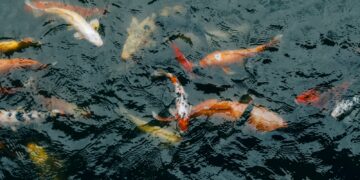
Aquaponics is a symbiotic system that combines aquaculture and hydroponics in a mutually beneficial way. In an aquaponics system, fish are raised in a tank where their waste products accumulate. This waste is then broken down by beneficial bacteria into nutrients that are absorbed by the plants growing in the hydroponic beds. The plants, in turn, filter the water and return it clean back to the fish tank. This closed-loop system creates a sustainable and self-sufficient ecosystem where both fish and plants thrive.
Benefits of Aquaponics
One of the key benefits of aquaponics is its efficiency in resource utilization. By recycling water and nutrients, aquaponics uses up to 90% less water than traditional farming methods. This makes it an ideal solution for regions facing water scarcity or drought conditions. Additionally, aquaponics eliminates the need for synthetic fertilizers and pesticides, making it a more environmentally friendly option. The symbiotic relationship between fish and plants also helps to create a balanced ecosystem that is less prone to pests and diseases.
Building a Sustainable Aquaponics System
To build a thriving aquaponics system, there are several key components that need to be considered. The first step is to choose the right location for your system. Ideally, you want a space that receives plenty of sunlight and is protected from harsh weather conditions. Next, you’ll need to select the appropriate equipment, including a fish tank, grow beds, a water pump, and a filtration system. It’s important to ensure that all components are properly sized and configured to support the needs of your fish and plants.
Choosing the Right Fish and Plants
When selecting fish for your aquaponics system, it’s important to choose species that are well-suited to the environment and climate of your location. Tilapia and trout are popular choices for aquaponics systems due to their hardiness and rapid growth. In terms of plants, leafy greens like lettuce, spinach, and kale are excellent options for hydroponic beds. Herbs such as basil, mint, and cilantro also do well in aquaponic systems. It’s important to research the specific requirements of each species to ensure they thrive in your system.
Maintaining Water Quality
Maintaining water quality is essential for the success of your aquaponics system. Regular monitoring of pH levels, ammonia, nitrites, and nitrates is crucial to ensure that the water remains balanced and healthy for both fish and plants. It’s also important to perform regular water changes and clean the filters to prevent the buildup of waste and debris. By staying on top of water quality maintenance, you can prevent issues such as nutrient deficiencies, algae blooms, and fish diseases.
Troubleshooting Common Issues
Like any agricultural system, aquaponics can experience challenges that require troubleshooting. One common issue is nutrient deficiency in plants, which can be addressed by adjusting the pH levels or adding supplemental nutrients. Another common problem is overfeeding fish, which can lead to high ammonia levels and poor water quality. By monitoring and addressing issues promptly, you can prevent them from escalating and impacting the overall health of your system.
Scaling Up Your Aquaponics System
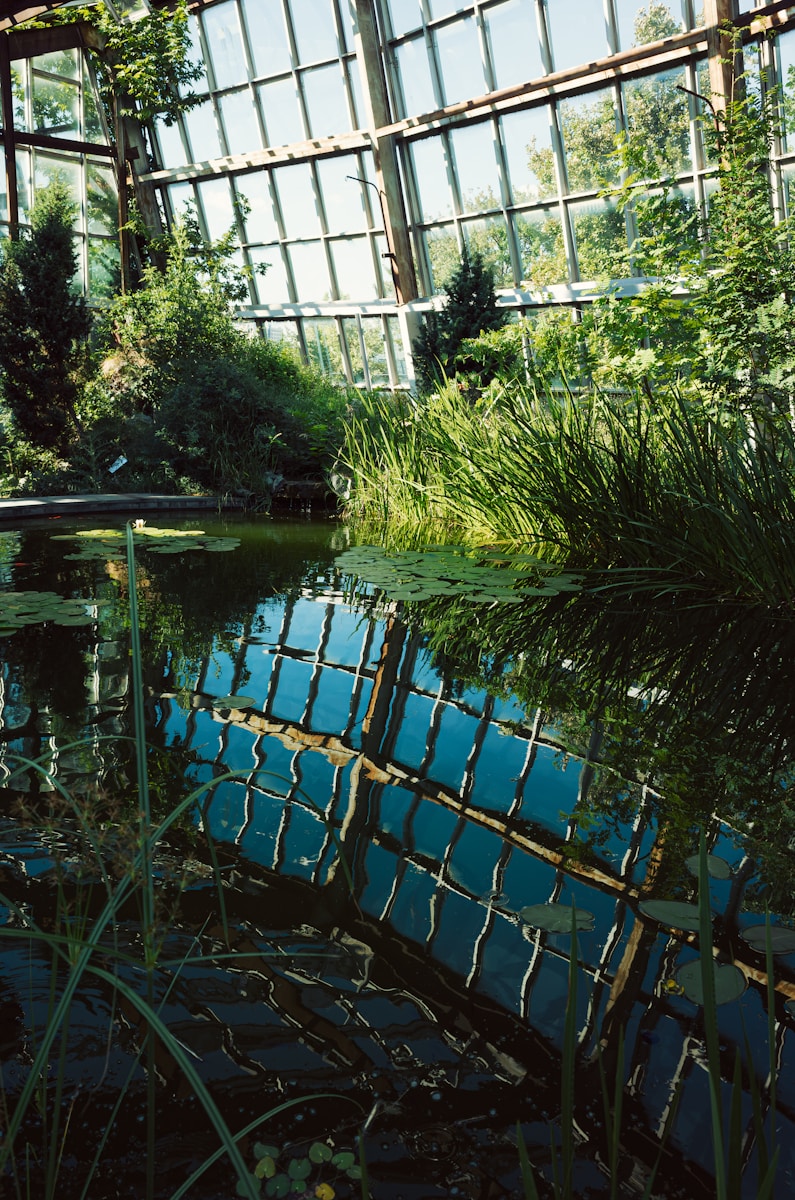
Once you have mastered the basics of aquaponics, you may want to consider scaling up your system to increase production. This could involve expanding the size of your grow beds, adding more fish tanks, or incorporating additional components such as a greenhouse or solar panels. By carefully planning and implementing changes, you can maximize the productivity and efficiency of your aquaponics system while maintaining sustainability and environmental responsibility.
Conclusion
Aquaponics offers a sustainable and efficient method of food production that has the potential to transform the way we grow food in the future. By combining aquaculture and hydroponics in a closed-loop system, aquaponics maximizes resources, minimizes waste, and creates a balanced ecosystem where fish and plants thrive. Building a thriving aquaponics system requires careful planning, proper equipment, and regular maintenance to ensure water quality and nutrient balance. By addressing common issues, scaling up production, and staying committed to sustainability, you can create a successful aquaponics system that provides fresh, healthy food for years to come.