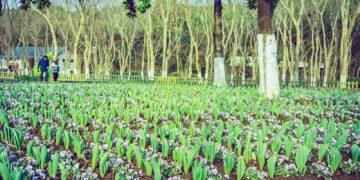
Harmonious Haven: A Guide to Crafting Your Perfect Permaculture Garden
Creating a permaculture garden is not only a sustainable way to grow your own food, but also a way to create a harmonious haven that benefits both you and the environment. By following the principles of permaculture, you can design a garden that is productive, beautiful, and in tune with nature. In this guide, we will explore the key elements of permaculture gardening and provide tips for creating your own perfect permaculture garden.
What is Permaculture?
Permaculture is a design system that mimics natural ecosystems in order to create sustainable and productive landscapes. It is based on three core ethics: care for the earth, care for people, and fair share. By following these ethics, permaculture seeks to create systems that are in balance with nature and that provide for the needs of both humans and the environment.
Key Principles of Permaculture Gardening
There are several key principles that guide permaculture gardening. These include:
1. Observation and Interaction
Before you start designing your permaculture garden, take the time to observe the natural patterns and processes in your landscape. By understanding how water flows, where the sun shines, and which plants thrive in your area, you can design a garden that works with these natural elements rather than against them.
2. Design for Multiple Functions
In permaculture gardening, every element in the garden should serve multiple functions. For example, a fruit tree not only provides food, but also shade, habitat for birds, and organic matter for the soil. By designing your garden with multiple functions in mind, you can create a more resilient and productive landscape.
3. Use Renewable Resources
Permaculture gardens rely on renewable resources such as sunlight, rainwater, and organic matter. By harnessing these resources, you can create a self-sustaining garden that requires minimal inputs of energy and resources.
Creating Your Perfect Permaculture Garden
Now that you understand the key principles of permaculture gardening, it’s time to start designing your own perfect permaculture garden. Here are some tips to help you get started:
1. Start with a Site Analysis
Before you start planting, take the time to analyze your site. Consider factors such as sunlight, soil quality, water availability, and existing vegetation. By understanding the conditions in your garden, you can design a garden that is well-suited to your site.
2. Design with Zones in Mind
Permaculture gardens are often divided into zones based on how frequently they are visited and tended. Zone 1 is the area closest to your home, where you plant high-maintenance crops such as herbs and vegetables. Zone 5 is the wild, untouched area of your garden. By designing your garden with zones in mind, you can create a more efficient and productive landscape.
3. Incorporate Diversity
Diversity is key in permaculture gardening. By planting a wide variety of crops, you can create a more resilient ecosystem that is less susceptible to pests and diseases. Consider planting a mix of fruits, vegetables, herbs, and flowers to create a diverse and beautiful garden.
4. Use Natural Pest Control Methods
Instead of relying on chemical pesticides, use natural pest control methods in your permaculture garden. For example, attracting beneficial insects such as ladybugs and lacewings can help keep pest populations in check. You can also plant companion plants that repel pests or attract predators.
5. Build Healthy Soil
Healthy soil is the foundation of a successful permaculture garden. By adding organic matter such as compost and mulch, you can improve soil fertility and structure. Avoid tilling the soil, as this can disrupt the soil food web and lead to erosion.
Conclusion
Creating a permaculture garden is a rewarding way to connect with nature, grow your own food, and create a sustainable and productive landscape. By following the principles of permaculture and designing with nature in mind, you can create a harmonious haven that benefits both you and the environment. Whether you’re a seasoned gardener or a beginner, there’s no better time to start crafting your perfect permaculture garden.
So, roll up your sleeves, grab your gardening tools, and start designing your own slice of paradise!