Growing Green: Climate-Smart Gardening Techniques for a Sustainable Home Garden
With the increasing awareness of climate change and its impact on the environment, more and more people are looking for ways to make their everyday lives more sustainable. One area where individuals can make a significant difference is in their own home gardens. By using climate-smart gardening techniques, you can not only reduce your carbon footprint but also create a more resilient and sustainable garden.
What is Climate-Smart Gardening?
Climate-smart gardening is a holistic approach to gardening that takes into account the impact of climate change on plant growth and development. It involves using techniques that help to mitigate the effects of climate change, such as extreme weather events, drought, and temperature fluctuations. By incorporating climate-smart gardening practices into your garden, you can create a more sustainable and resilient growing environment for your plants.
Benefits of Climate-Smart Gardening
There are numerous benefits to implementing climate-smart gardening techniques in your home garden. Some of the key benefits include:
- Reduced water usage: Climate-smart gardening techniques can help you conserve water by using practices such as mulching, drip irrigation, and rainwater harvesting.
- Improved soil health: By building healthy soil through techniques like composting and cover cropping, you can improve the overall health and fertility of your garden soil.
- Increased plant resilience: Climate-smart gardening practices can help your plants better withstand extreme weather events and other climate-related challenges.
- Enhanced biodiversity: By creating a more diverse and resilient garden ecosystem, you can attract a wider variety of beneficial insects, birds, and other wildlife.
Climate-Smart Gardening Techniques
There are several key techniques that you can use to make your home garden more climate-smart. Some of the most effective techniques include:
1. Water Conservation
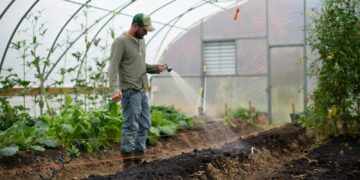
One of the most important aspects of climate-smart gardening is water conservation. By using techniques such as mulching, drip irrigation, and rainwater harvesting, you can reduce your water usage and create a more sustainable garden. Mulching helps to retain moisture in the soil, while drip irrigation delivers water directly to the roots of plants, reducing water waste. Rainwater harvesting involves collecting rainwater in barrels or tanks for later use in the garden.
2. Soil Health
Healthy soil is the foundation of a successful garden. By building healthy soil through techniques such as composting, cover cropping, and no-till gardening, you can improve the fertility and structure of your soil. Composting involves recycling kitchen and garden waste to create nutrient-rich compost for your plants. Cover cropping involves planting cover crops like legumes and grasses to improve soil health and prevent erosion. No-till gardening involves minimizing soil disturbance to protect soil structure and biodiversity.
3. Plant Selection
Choosing the right plants for your garden is essential for creating a climate-smart garden. Selecting native and drought-tolerant plants that are well-suited to your climate can help your garden thrive with minimal water and maintenance. Additionally, planting a diverse range of plants can help to attract beneficial insects and pollinators to your garden.
Common Questions About Climate-Smart Gardening
1. How can I reduce water usage in my garden?
There are several ways to reduce water usage in your garden, including using techniques such as mulching, drip irrigation, and rainwater harvesting. Mulching helps to retain moisture in the soil, while drip irrigation delivers water directly to the roots of plants, reducing water waste. Rainwater harvesting involves collecting rainwater in barrels or tanks for later use in the garden.
2. How can I improve soil health in my garden?
Improving soil health in your garden is essential for creating a sustainable growing environment. You can improve soil health by using techniques such as composting, cover cropping, and no-till gardening. Composting involves recycling kitchen and garden waste to create nutrient-rich compost for your plants. Cover cropping involves planting cover crops like legumes and grasses to improve soil health and prevent erosion. No-till gardening involves minimizing soil disturbance to protect soil structure and biodiversity.
3. What are the best plants to grow in a climate-smart garden?
Choosing the right plants for your climate-smart garden is crucial for success. Native and drought-tolerant plants that are well-suited to your climate are the best choices for a sustainable garden. These plants require less water and maintenance, making them ideal for a climate-smart garden. Additionally, planting a diverse range of plants can help to attract beneficial insects and pollinators to your garden.
Conclusion
By implementing climate-smart gardening techniques in your home garden, you can create a more sustainable and resilient growing environment for your plants. With benefits such as reduced water usage, improved soil health, increased plant resilience, and enhanced biodiversity, climate-smart gardening is a win-win for both your garden and the environment. By following the tips and techniques outlined in this article, you can take steps towards creating a more sustainable home garden that will thrive for years to come.