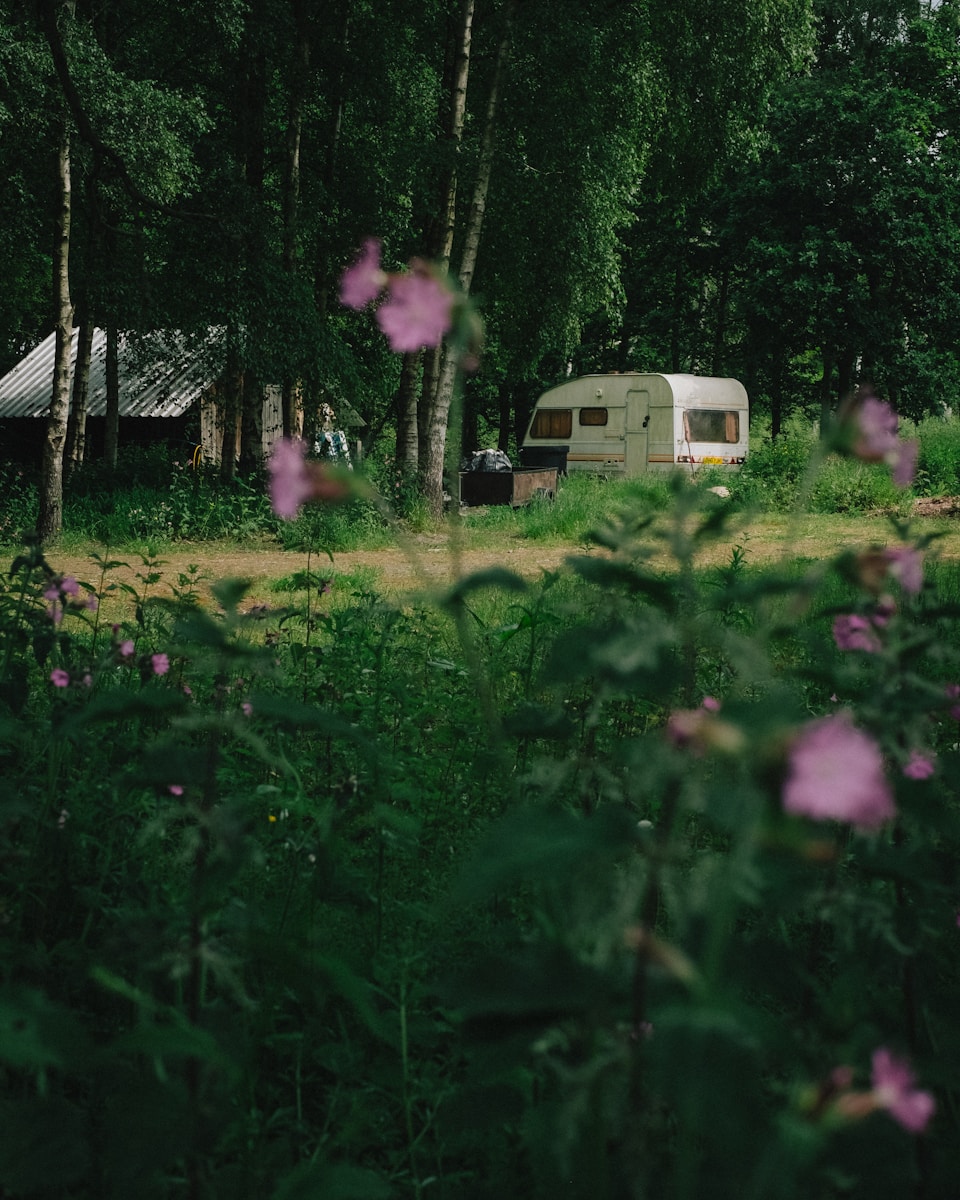
Empowering Off-Grid Living: Innovative Solar Solutions for Remote Homesteads
Living off-grid in a remote homestead can be a rewarding experience, but it also comes with its own set of challenges. One of the biggest challenges is ensuring a reliable source of energy to power your home and appliances. Traditional methods of generating electricity, such as diesel generators, can be costly and environmentally unfriendly. However, with advances in solar technology, there are now innovative solar solutions that can empower off-grid living and provide a sustainable source of energy for remote homesteads.
The Benefits of Solar Power for Off-Grid Living
Solar power offers a range of benefits for off-grid living. One of the main advantages is that solar energy is renewable and sustainable. By harnessing the power of the sun, you can generate electricity without relying on fossil fuels or grid connections. This not only reduces your carbon footprint but also provides a reliable source of energy that is not subject to power outages or fluctuations.
Another benefit of solar power is that it can help you save money in the long run. While the initial cost of installing solar panels and equipment may be high, the savings on energy bills over time can offset this initial investment. In addition, many governments offer incentives and rebates for installing solar power systems, making it a more affordable option for off-grid living.
Types of Solar Solutions for Remote Homesteads
There are several innovative solar solutions that are specifically designed for off-grid living in remote homesteads. These solutions are designed to be reliable, efficient, and easy to maintain, making them ideal for remote locations where access to traditional energy sources may be limited. Some of the most popular solar solutions for remote homesteads include:
1. Solar Panels
Solar panels are the most common form of solar energy generation and are essential for off-grid living. These panels are made up of photovoltaic cells that convert sunlight into electricity. They can be mounted on the roof of your home or on a ground-mounted rack to maximize sun exposure. Solar panels come in a variety of sizes and configurations, allowing you to tailor your system to meet your specific energy needs.
2. Solar Batteries
Solar batteries are used to store excess energy generated by your solar panels for use when the sun is not shining. These batteries are essential for off-grid living, as they allow you to have a reliable source of power even during cloudy days or at night. There are several types of solar batteries available, including lead-acid, lithium-ion, and saltwater batteries, each with their own advantages and disadvantages.
3. Solar Inverters
Solar inverters are used to convert the direct current (DC) electricity generated by your solar panels into alternating current (AC) electricity that can be used to power your home appliances. These inverters are essential for off-grid living, as they ensure that the electricity generated by your solar panels is compatible with your home’s electrical system. There are several types of inverters available, including string inverters, microinverters, and hybrid inverters, each with their own unique features and benefits.
Common Questions about Solar Solutions for Off-Grid Living
As you consider implementing solar solutions for your remote homestead, you may have some common questions. Here are answers to some of the most frequently asked questions about solar power for off-grid living:
1. How much sunlight do I need to generate enough energy?
The amount of sunlight you need to generate enough energy for your remote homestead will depend on several factors, including the size of your solar panels, the efficiency of your system, and your energy consumption. On average, a well-designed solar power system can generate enough energy to power a typical home with around 5-6 hours of sunlight per day.
2. How long do solar panels last?
Solar panels are designed to last for 25-30 years or more, with most manufacturers offering warranties of 20-25 years. With proper maintenance and care, solar panels can continue to generate electricity for many years beyond their warranty period, making them a long-term investment for off-grid living.
3. What happens if there is a power outage?
If there is a power outage in your remote homestead, your solar power system will continue to generate electricity as long as the sun is shining. However, if you want to have power during the night or on cloudy days, you will need to have a backup power source, such as a solar battery or a generator, to ensure a continuous supply of electricity.
Conclusion
Living off-grid in a remote homestead can be a fulfilling and sustainable lifestyle choice. By harnessing the power of the sun with innovative solar solutions, you can empower your off-grid living experience and enjoy a reliable, sustainable, and cost-effective source of energy for your home. Whether you are looking to reduce your carbon footprint, save money on energy bills, or simply enjoy the freedom of living off-grid, solar power offers a range of benefits for remote homesteads. With the right solar solutions in place, you can enjoy all the comforts of modern living while living off the grid in harmony with nature.