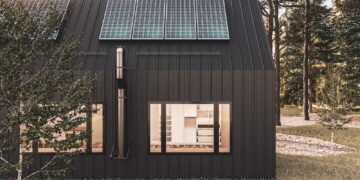
In recent years, the construction industry has begun to recognize the importance of sustainable practices in building for a greener tomorrow. As the effects of climate change become more apparent, builders are increasingly turning to eco-friendly construction methods that minimize environmental impact and promote long-term sustainability. From using recycled materials to implementing energy-efficient designs, there are a variety of ways in which builders can contribute to a more sustainable future.
The Benefits of Sustainable Construction
Sustainable construction practices offer a wide range of benefits, both for the environment and for builders themselves. By using eco-friendly materials and designs, builders can reduce their carbon footprint and lower their overall impact on the planet. In addition, sustainable buildings are often more energy-efficient, which can lead to lower utility costs for homeowners and businesses. Furthermore, sustainable construction can help to improve indoor air quality, reduce waste, and promote the use of renewable energy sources.
Materials and Methods for Sustainable Construction
One of the key aspects of sustainable construction is the use of eco-friendly materials. Builders can choose from a variety of options, including recycled materials, sustainably sourced wood, and energy-efficient insulation. By selecting materials that are both durable and environmentally friendly, builders can create buildings that are both stylish and sustainable. In addition, builders can also implement energy-efficient designs, such as passive solar heating and cooling, to further reduce their environmental impact.
Common Questions About Sustainable Construction
As builders begin to explore sustainable construction practices, they may have a number of questions about how to get started. Some common questions include:
– What are the benefits of sustainable construction?
– What materials are best for eco-friendly building?
– How can I make my building more energy-efficient?
– What are some examples of sustainable construction projects?
By addressing these common questions and providing valuable information, builders can gain a better understanding of how to incorporate sustainable practices into their projects.
Implementing Sustainable Construction Practices
There are a number of ways in which builders can implement sustainable construction practices in their projects. One of the first steps is to carefully select eco-friendly materials that are both durable and environmentally friendly. Builders can also incorporate energy-efficient designs, such as passive solar heating and cooling, to reduce their overall energy consumption. In addition, builders can work with architects and engineers to create sustainable building designs that minimize waste and promote long-term sustainability.
Examples of Sustainable Construction Projects
There are many examples of sustainable construction projects that showcase the benefits of eco-friendly building practices. One example is the Bullitt Center in Seattle, which is considered one of the greenest commercial buildings in the world. The Bullitt Center features a variety of sustainable features, including solar panels, rainwater harvesting, and composting toilets. Another example is the One Central Park in Sydney, Australia, which incorporates vertical gardens and solar panels to reduce its environmental impact.
Conclusion
In conclusion, sustainable construction practices offer a variety of benefits for builders and the environment. By using eco-friendly materials and designs, builders can create buildings that are both stylish and sustainable. From reducing energy consumption to improving indoor air quality, sustainable construction practices can help to create a greener tomorrow for future generations. By implementing these practices in their projects, builders can contribute to a more sustainable future and help to combat the effects of climate change.