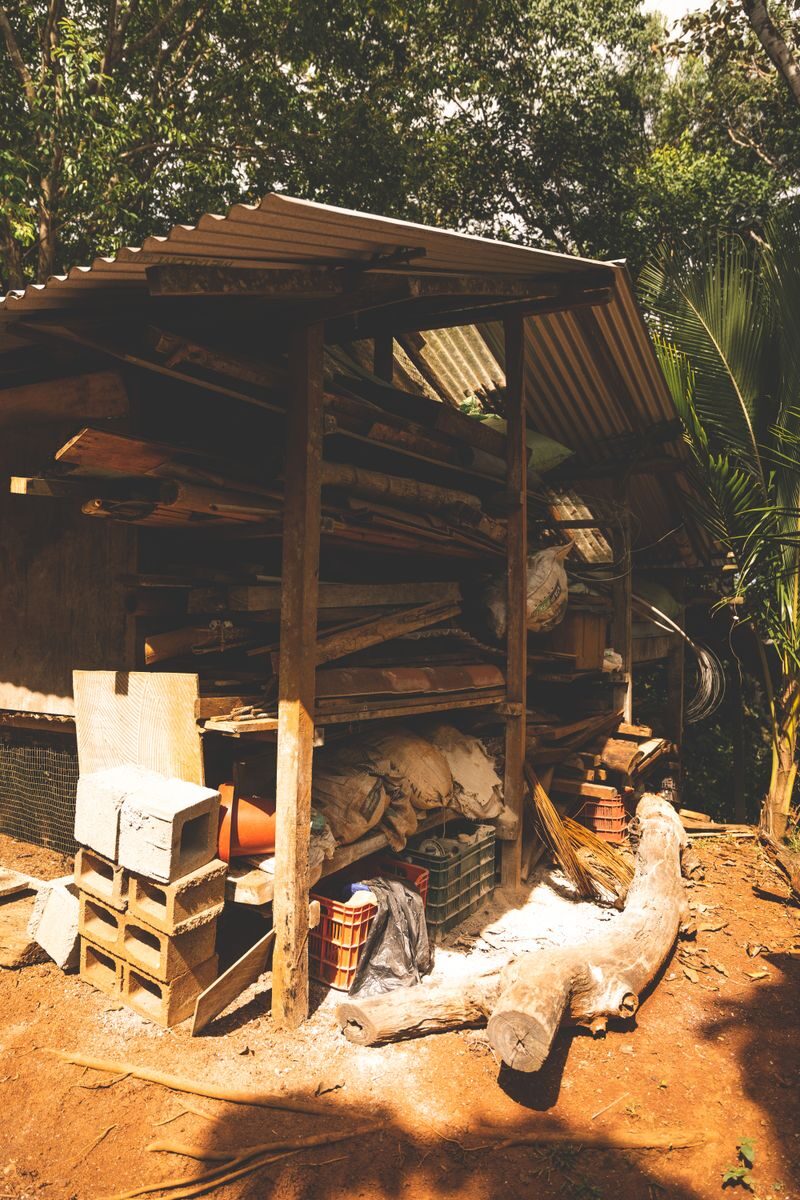
Building a Sustainable Future: The Environmental and Financial Benefits of Using Recycled Materials in Eco-Friendly Homes
In today’s world, the importance of sustainability and environmental conservation has never been more apparent. With climate change becoming an increasingly urgent issue, it’s crucial for individuals and businesses to adopt eco-friendly practices in every aspect of their lives. One way to do this is by incorporating recycled materials into the construction of homes and buildings. Not only does this help reduce waste and conserve natural resources, but it also offers financial benefits in the long run. In this article, we will explore the environmental and financial advantages of using recycled materials in eco-friendly homes.
Environmental Benefits of Using Recycled Materials
One of the primary benefits of using recycled materials in construction is the reduction of waste. By repurposing materials that would otherwise end up in landfills, we can minimize the amount of trash that pollutes our environment. This helps to conserve natural resources and reduce the energy and emissions associated with manufacturing new materials.
Additionally, using recycled materials can help to lower the carbon footprint of a building. The production of new materials often involves the extraction of raw materials, transportation, and processing, all of which contribute to greenhouse gas emissions. By using recycled materials, we can significantly reduce the environmental impact of construction projects.
Furthermore, incorporating recycled materials into buildings can help to improve indoor air quality. Many traditional building materials contain harmful chemicals and volatile organic compounds (VOCs) that can off-gas over time, leading to poor indoor air quality. Recycled materials, on the other hand, are often free of these toxins, making them a healthier choice for both the environment and the occupants of the building.
Financial Benefits of Using Recycled Materials
In addition to the environmental benefits, using recycled materials in construction can also offer financial advantages. While the initial cost of recycled materials may be slightly higher than that of new materials, the long-term savings can be significant. Recycled materials are often more durable and require less maintenance, leading to lower repair and replacement costs over time.
Furthermore, incorporating recycled materials into a building can enhance its resale value. As more and more homebuyers become environmentally conscious, properties that are built with sustainable materials are in high demand. This can result in a higher selling price and a quicker sale when it comes time to put the property on the market.
Another financial benefit of using recycled materials is the potential for tax incentives and rebates. Many governments and municipalities offer incentives for green building practices, including the use of recycled materials. By taking advantage of these programs, homeowners and builders can save money on taxes and lower the overall cost of construction.
Common Questions About Using Recycled Materials in Eco-Friendly Homes
1. What types of materials can be recycled and used in construction?
There are a wide variety of materials that can be recycled and incorporated into building projects, including glass, metal, plastic, wood, and concrete. These materials can be sourced from demolition sites, recycling centers, and reclaimed building materials suppliers.
2. Are recycled materials as durable as new materials?
Yes, many recycled materials are just as durable as new materials, if not more so. In fact, some recycled materials, such as recycled steel and concrete, can be stronger and more resilient than their virgin counterparts.
3. How can I ensure that the recycled materials I use are of high quality?
It’s important to work with reputable suppliers and contractors who have experience with recycled materials. They can help you source high-quality materials and ensure that they meet building code requirements and safety standards.
Conclusion
Building a sustainable future starts with small choices we make every day, including the materials we use in construction. By incorporating recycled materials into eco-friendly homes, we can reduce waste, conserve resources, and lower our environmental impact. Additionally, using recycled materials can offer financial benefits, such as lower maintenance costs, higher resale values, and potential tax incentives. Overall, the use of recycled materials in construction is a win-win for both the environment and our wallets.
So, whether you’re building a new home or renovating an existing one, consider using recycled materials to create a more sustainable and eco-friendly living space. Not only will you be doing your part to protect the planet, but you’ll also enjoy the many benefits that come with building green.
Together, we can build a brighter, greener future for generations to come.
References
1. https://www.epa.gov/recycle
2. https://www.usgbc.org/LEED