Powering the Future: Sustainable Energy Solutions for Tiny Houses
In recent years, the tiny house movement has gained significant popularity as more people seek to downsize their living spaces and reduce their environmental footprint. However, one common challenge faced by tiny house owners is finding sustainable energy solutions to power their homes. In this article, we will explore various renewable energy options that are ideal for tiny houses, from solar panels to wind turbines, and discuss their benefits and drawbacks.
The Benefits of Sustainable Energy for Tiny Houses
One of the main advantages of using sustainable energy sources to power tiny houses is the significant reduction in utility costs. By harnessing renewable energy from the sun, wind, or water, tiny house owners can enjoy energy independence and lower their carbon footprint. Additionally, sustainable energy solutions are environmentally friendly and contribute to a greener future for our planet.
Solar Power for Tiny Houses
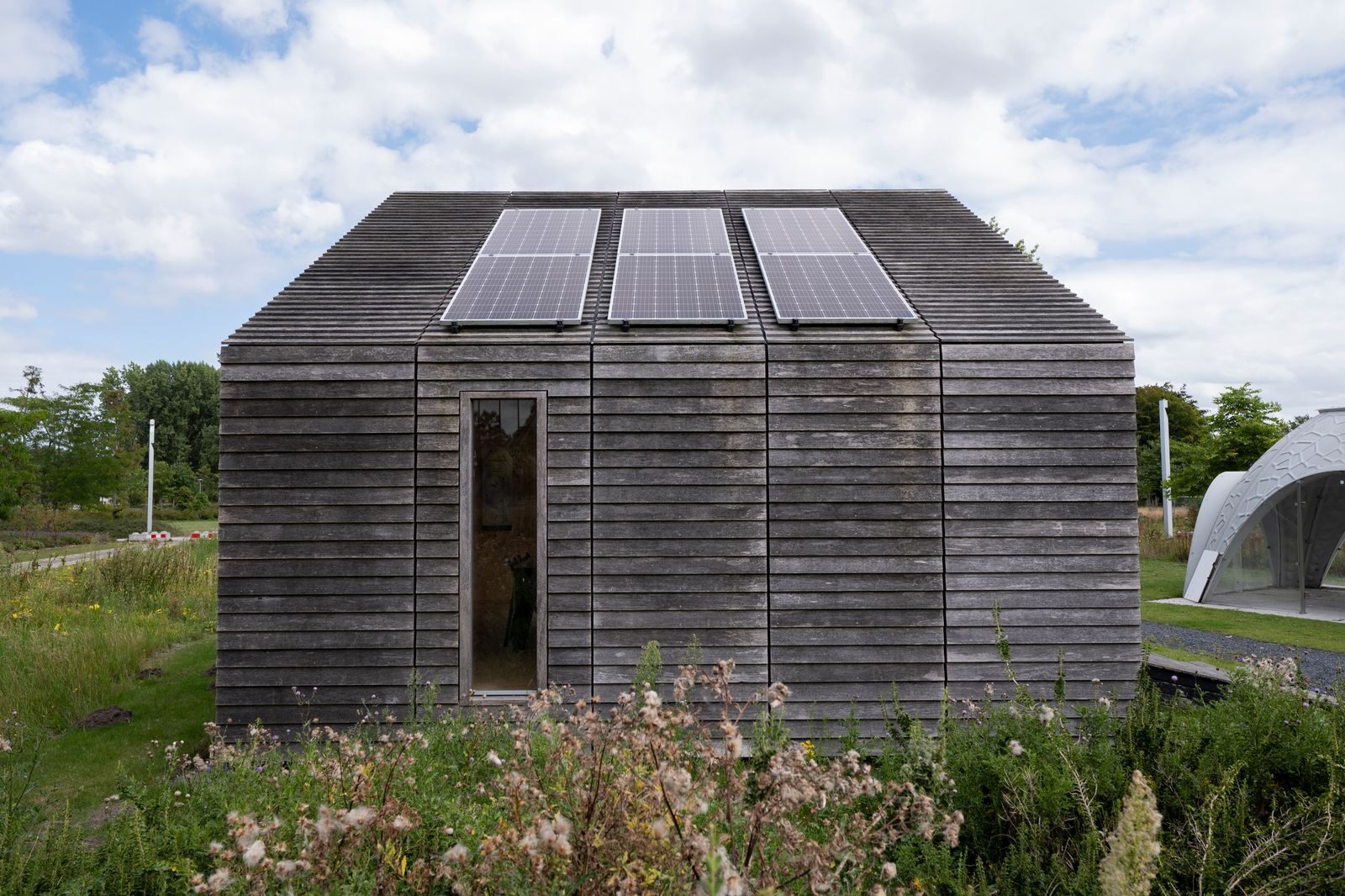
Solar power is one of the most popular renewable energy options for tiny houses. By installing solar panels on the roof of a tiny house, homeowners can harness the power of the sun to generate electricity for their home. Solar panels are durable, low-maintenance, and can provide a reliable source of energy even in remote locations. Additionally, many government incentives and rebates are available for solar installations, making it a cost-effective energy solution for tiny house owners.
How Solar Power Works
Solar panels work by converting sunlight into electricity through a process called photovoltaics. When sunlight hits the solar panels, the photovoltaic cells within the panels create an electrical current that can be used to power appliances and lights in the home. Excess electricity generated by the solar panels can be stored in batteries for use during periods of low sunlight or sold back to the grid for a credit on the homeowner’s utility bill.
Wind Power for Tiny Houses
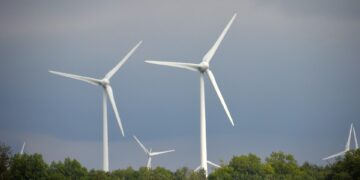
Another sustainable energy option for tiny houses is wind power. Wind turbines can be installed on the property of a tiny house to harness the power of the wind and generate electricity. Wind power is a reliable source of energy, especially in windy locations, and can complement solar power to provide a more consistent energy supply. However, wind turbines can be noisy and visually unappealing, so they may not be suitable for all tiny house owners.
How Wind Power Works
Wind turbines work by capturing the kinetic energy of the wind and converting it into electricity through a generator. When the wind blows, the blades of the wind turbine rotate, creating mechanical energy that is then converted into electrical energy. The electricity generated by the wind turbine can be stored in batteries for later use or sold back to the grid for a credit on the homeowner’s utility bill.
Hydro Power for Tiny Houses
Hydro power, or water power, is another sustainable energy option for tiny houses, especially for those located near a water source such as a river or stream. Micro-hydro systems can be installed to harness the energy of flowing water and generate electricity for a tiny house. Hydro power is a reliable and consistent source of energy, but it can be expensive to install and may require permits from local authorities.
How Hydro Power Works
Hydro power systems work by diverting water from a river or stream through a turbine, which then converts the kinetic energy of the flowing water into electricity. The electricity generated by the hydro power system can be used to power appliances and lights in the home or stored in batteries for later use. Micro-hydro systems are relatively low-maintenance and can provide a sustainable source of energy for tiny house owners.
Conclusion
In conclusion, sustainable energy solutions offer a viable and environmentally friendly way to power tiny houses. Whether through solar power, wind power, or hydro power, tiny house owners can reduce their reliance on traditional energy sources and lower their utility costs while contributing to a greener future for our planet. By exploring the various renewable energy options available, tiny house owners can find the right solution to power their homes sustainably and responsibly.
With the increasing focus on sustainability and environmental conservation, sustainable energy solutions for tiny houses are becoming more accessible and affordable. By harnessing the power of the sun, wind, or water, tiny house owners can enjoy energy independence and reduce their carbon footprint while living comfortably in their compact and eco-friendly homes.