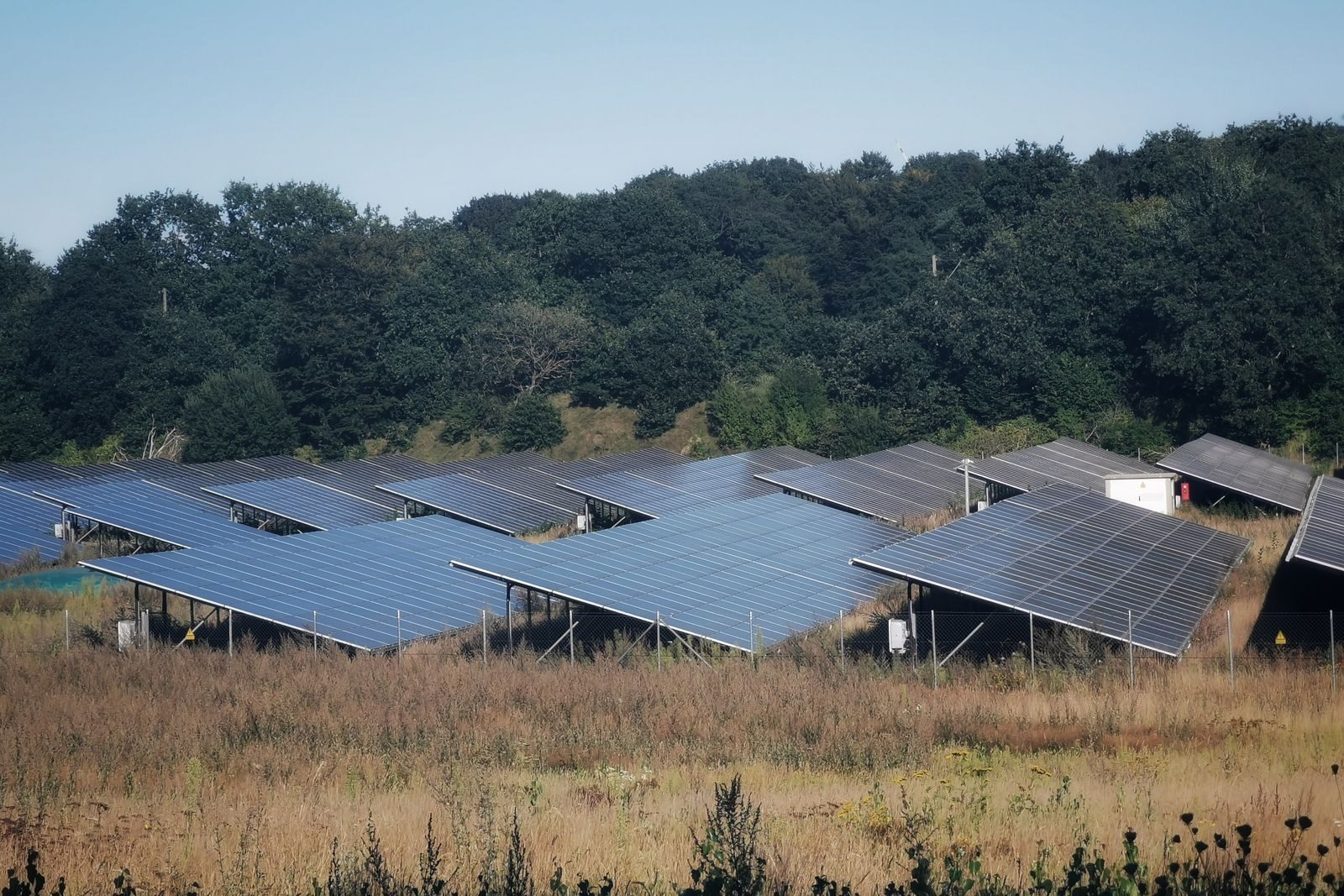
In recent years, the push for renewable energy sources has gained momentum as more communities seek to reduce their carbon footprint and transition towards a more sustainable future. One such initiative that is making a significant impact is the implementation of solar projects in various communities. These projects not only provide clean and renewable energy but also empower the community by creating jobs, reducing energy costs, and promoting environmental awareness.
The Benefits of Solar Energy
Solar energy is one of the most abundant and sustainable sources of energy available to us. By harnessing the power of the sun, we can generate electricity without producing harmful emissions or depleting finite resources. This makes solar energy a clean and renewable alternative to traditional fossil fuels. Additionally, solar energy systems require minimal maintenance and have a long lifespan, making them a cost-effective solution in the long run.
Empowering the Community
Implementing a solar project in a community can have a multitude of benefits. One of the most significant advantages is the creation of local jobs. From the installation of solar panels to the maintenance and monitoring of the system, there are numerous opportunities for employment within the solar industry. This not only boosts the local economy but also provides residents with valuable skills and training in a growing field.
Another way that solar projects empower communities is by reducing energy costs. By generating their own electricity from solar panels, residents can significantly lower their utility bills and become less dependent on external energy sources. This can help alleviate financial burdens for low-income households and improve overall quality of life for residents.
Environmental Impact
In addition to the economic benefits, solar projects also have a positive impact on the environment. By reducing reliance on fossil fuels, solar energy helps to decrease greenhouse gas emissions and combat climate change. This is crucial for the health of our planet and future generations. Furthermore, solar energy systems do not require water for operation, unlike traditional power plants that consume vast amounts of water. This helps to conserve water resources, especially in regions facing water scarcity.
Common Questions About Solar Projects
1. How do solar panels work?
Solar panels are made up of photovoltaic cells that convert sunlight into electricity. When sunlight hits the panels, the cells generate an electric current that can be used to power homes and businesses.
2. Are solar panels expensive?
While the initial cost of installing solar panels can be high, there are various incentives and rebates available that can help offset the cost. Additionally, the long-term savings on energy bills make solar panels a worthwhile investment.
3. What happens on cloudy days or at night?
Solar panels can still generate electricity on cloudy days, although the output may be lower. At night, the system can draw power from the grid or a battery storage system to meet energy needs.
4. How long do solar panels last?
Most solar panels have a lifespan of around 25-30 years, with some panels lasting even longer. Regular maintenance and monitoring can help extend the life of the system.
The Future of Solar Energy
As the demand for renewable energy continues to grow, the future of solar energy looks promising. Advancements in technology are making solar panels more efficient and affordable, making them accessible to a wider range of consumers. Additionally, policymakers are increasingly recognizing the benefits of solar energy and implementing incentives to encourage its adoption.
By empowering communities through solar projects, we can create a more sustainable future for generations to come. Not only does solar energy provide clean and renewable power, but it also fosters economic growth, reduces energy costs, and promotes environmental stewardship. It is clear that solar projects are lighting the way to a brighter and more sustainable future for all.