Rooted in Sustainability: The Aquaponics vs Hydroponics Debate for Future Food Production
As the world population continues to grow rapidly, the need for sustainable food production methods becomes increasingly urgent. Traditional agriculture practices are often resource-intensive and can have negative impacts on the environment. In recent years, aquaponics and hydroponics have emerged as two innovative solutions that offer a more sustainable way to grow food. Both methods have their own unique benefits and challenges, sparking a debate among experts and enthusiasts about which is more effective for future food production.
The Basics of Aquaponics and Hydroponics
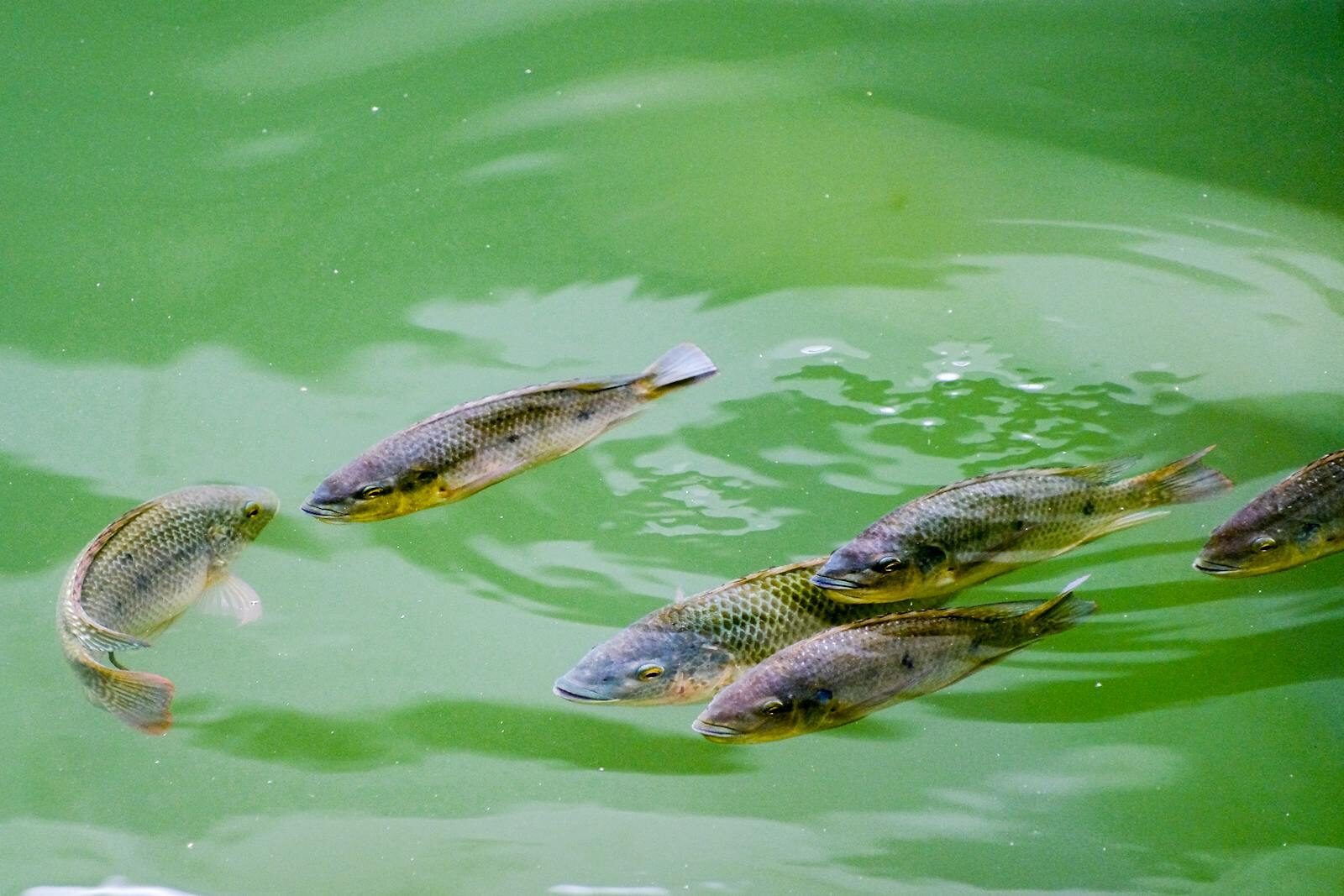
Aquaponics is a system that combines aquaculture (the farming of fish) with hydroponics (the cultivation of plants in water). In an aquaponics system, fish waste provides nutrients for the plants, while the plants filter the water for the fish. This symbiotic relationship creates a closed-loop system that requires less water and fertilizer than traditional farming methods.
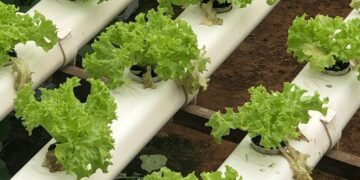
Hydroponics, on the other hand, is a method of growing plants without soil. Instead, plants are grown in nutrient-rich water or a soilless medium like perlite or coconut coir. Hydroponic systems can be either passive or active, with the latter requiring a pump to deliver nutrients to the plants.
The Sustainability Factor
One of the key arguments in the aquaponics vs hydroponics debate is which method is more sustainable. Proponents of aquaponics argue that it is a more environmentally friendly option because it utilizes waste from fish farming to fertilize plants. This reduces the need for synthetic fertilizers and minimizes nutrient runoff into waterways.
Hydroponics, on the other hand, can be more resource-intensive as it requires the use of synthetic fertilizers to provide nutrients to the plants. However, hydroponic systems can be designed to recirculate water and nutrients, reducing waste and conserving resources.
Productivity and Efficiency
Another point of contention in the aquaponics vs hydroponics debate is which method is more productive and efficient. Aquaponics systems have the advantage of producing both fish and plants, providing a diverse range of food products. However, maintaining the balance between fish and plant growth can be challenging, and some aquaponic systems may require more monitoring and maintenance than hydroponic systems.
Hydroponic systems are known for their high productivity and efficiency, as plants can receive nutrients directly from the water. This can result in faster growth rates and higher yields compared to traditional soil-based farming. However, hydroponic systems can be more energy-intensive due to the need for pumps and artificial lighting.
Cost Considerations
Cost is another important factor to consider in the aquaponics vs hydroponics debate. Aquaponics systems can be more expensive to set up initially, as they require both fish tanks and plant beds. However, aquaponic systems can potentially generate income from both fish and plant sales, offsetting the initial investment over time.
Hydroponic systems are generally more affordable to set up, as they require less equipment and infrastructure. However, the ongoing costs of synthetic fertilizers and energy consumption can add up over time, impacting the overall profitability of the system.
Environmental Impact
When it comes to environmental impact, both aquaponics and hydroponics offer significant advantages over traditional farming methods. Both systems use less water than conventional agriculture and can be designed to minimize waste and nutrient runoff. Additionally, hydroponic and aquaponic systems can be implemented in urban areas, reducing the need for long-distance transportation of food products.
Conclusion
In conclusion, the aquaponics vs hydroponics debate is a complex one with no clear winner. Both methods offer unique benefits and challenges, and the best choice ultimately depends on the specific goals and constraints of a given food production system. Aquaponics may be more sustainable and environmentally friendly, while hydroponics may be more productive and cost-effective. As the demand for sustainable food production continues to grow, both aquaponics and hydroponics are likely to play important roles in shaping the future of agriculture.
Regardless of which method is chosen, it is clear that innovative approaches like aquaponics and hydroponics are essential for ensuring a secure and sustainable food supply for future generations.