In today’s rapidly evolving world, the need for sustainable and eco-friendly energy solutions has become more pressing than ever. With the global population on the rise and urbanization on the increase, compact living spaces have become the norm in many major cities around the world. As such, finding green energy solutions for these small living spaces has become a top priority for many individuals and communities.
Green energy solutions offer a way to power our homes and businesses without relying on traditional fossil fuels, which are not only harmful to the environment but also finite resources. By harnessing the power of renewable energy sources such as solar, wind, and hydroelectric power, we can reduce our carbon footprint and create a more sustainable future for generations to come.
The Benefits of Green Energy Solutions
There are numerous benefits to using green energy solutions in compact living spaces. One of the most significant advantages is the reduction in carbon emissions that comes from using renewable energy sources. By switching to green energy, individuals can significantly decrease their impact on the environment and help combat climate change.
Another benefit of green energy solutions is the potential for cost savings. While there may be an initial investment required to install renewable energy systems, the long-term savings on energy bills can be substantial. In fact, many individuals find that they are able to recoup their initial investment within a few years through reduced energy costs.
Furthermore, green energy solutions can also increase the value of a property. With more and more homebuyers prioritizing sustainability and energy efficiency, properties that are powered by renewable energy sources are becoming increasingly desirable on the real estate market.
Green Energy Solutions for Compact Living Spaces
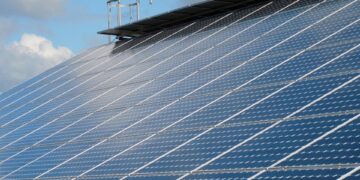
There are several green energy solutions that are particularly well-suited for compact living spaces. One of the most popular options is solar power. Solar panels can be installed on rooftops or balconies to harness the power of the sun and convert it into electricity. This electricity can then be used to power appliances, lighting, and other electrical devices in the home.
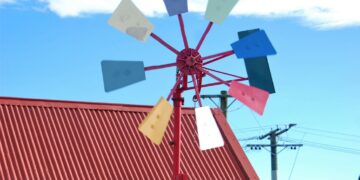
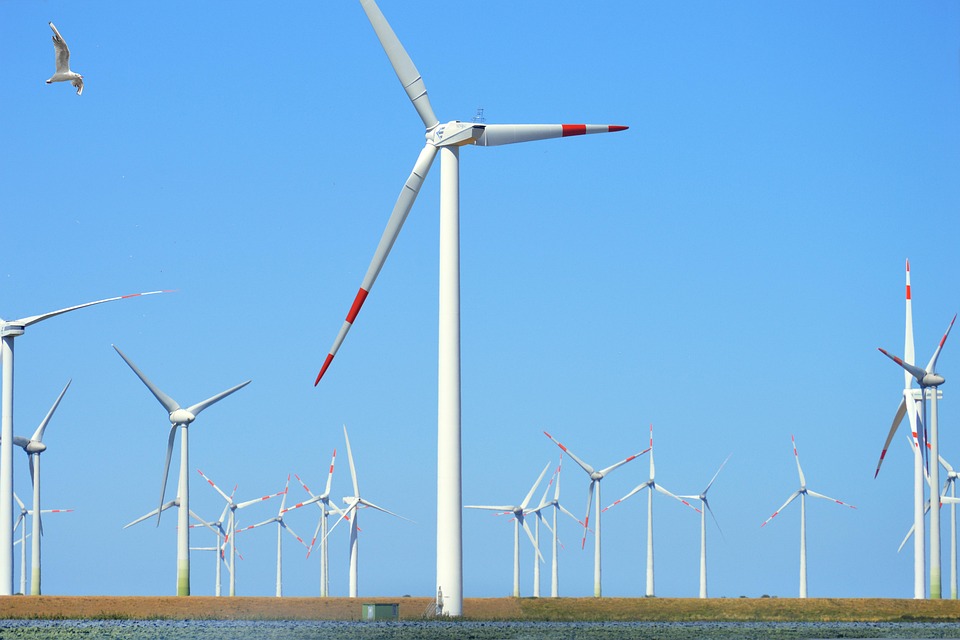
Another green energy solution that is ideal for compact living spaces is wind power. While large wind turbines may not be practical in urban areas, smaller wind turbines can be installed on rooftops or in small yards to generate electricity. Wind power is particularly effective in areas that experience consistent winds, such as coastal regions or high-rise buildings.
Hydroelectric power is another green energy solution that can be used in compact living spaces. Micro-hydro systems can be installed in small streams or rivers to generate electricity through the flow of water. While this option may not be suitable for all locations, it can be a highly effective and sustainable way to power a home.
Integration of Green Energy Solutions
When integrating green energy solutions into compact living spaces, it is essential to consider the unique constraints and opportunities of the space. For example, rooftop solar panels may be the most practical option for an apartment building, while a small wind turbine may be better suited for a single-family home with a yard.
It is also important to consider the energy needs of the space when choosing a green energy solution. For example, a tiny house with minimal electricity requirements may be able to meet its energy needs with a small solar panel system, while a larger apartment building may require a more robust renewable energy system.
In addition, it is crucial to consider the regulatory and permitting requirements for installing green energy solutions in compact living spaces. In some areas, there may be restrictions on the size and type of renewable energy systems that can be installed, so it is essential to research local regulations before moving forward with a green energy project.
Common Questions About Green Energy Solutions
As more individuals and communities seek to adopt green energy solutions for compact living spaces, there are several common questions that arise. Here are some of the most frequently asked questions about green energy solutions:
1. How much does it cost to install green energy solutions in a compact living space?
The cost of installing green energy solutions can vary depending on the size and type of system, as well as the location of the space. While there may be an initial investment required, many individuals find that the long-term savings on energy bills make it a worthwhile investment.
2. What are the maintenance requirements for green energy systems?
Most green energy systems require minimal maintenance, with regular inspections and cleaning typically being the extent of the upkeep. However, it is essential to follow the manufacturer’s recommendations for maintenance to ensure the longevity and efficiency of the system.
3. How much energy can be generated by green energy solutions in a compact living space?
The amount of energy generated by green energy solutions can vary depending on the size and type of system, as well as the location and climate of the space. However, with proper design and installation, green energy systems can often meet the energy needs of a compact living space.
4. Are there incentives or grants available for installing green energy solutions?
Many governments and utility companies offer incentives, rebates, and grants for installing green energy solutions. These incentives can help offset the initial cost of the system and make it more affordable for individuals and communities to adopt renewable energy technologies.
Conclusion
Green energy solutions offer a sustainable and eco-friendly way to power compact living spaces. By harnessing the power of renewable energy sources such as solar, wind, and hydroelectric power, individuals can reduce their carbon footprint, save on energy costs, and increase the value of their properties.
When integrating green energy solutions into compact living spaces, it is essential to consider the unique constraints and opportunities of the space, as well as the energy needs and regulatory requirements. By addressing common questions and providing valuable content, individuals and communities can make informed decisions about adopting green energy solutions for a more sustainable future.