Streamlining Sustainability: Crafting a Zero Waste Minimalist Bathroom
Creating a sustainable and minimalist bathroom is not only good for the environment, but also for your overall well-being. By eliminating excess waste and clutter, you can create a serene and functional space that promotes relaxation and mindfulness. In this article, we will discuss how to streamline sustainability in your bathroom by crafting a zero waste minimalist design.
The Benefits of a Zero Waste Minimalist Bathroom
There are numerous benefits to creating a zero waste minimalist bathroom. Not only does it reduce your environmental impact by minimizing waste and conserving resources, but it also promotes a sense of calm and simplicity in your daily routine. By decluttering your bathroom and using sustainable products, you can create a space that is both aesthetically pleasing and environmentally friendly.
Declutter and Simplify
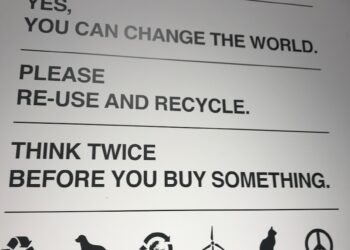
The first step in creating a zero waste minimalist bathroom is to declutter and simplify. Start by going through your bathroom cabinets and drawers and getting rid of any products or items that you no longer use or need. Consider donating or recycling these items to reduce waste.
Next, assess your daily routine and identify the essential products that you use on a regular basis. Invest in multi-purpose products that serve multiple functions, such as a shampoo and body wash combination or a reusable razor. By simplifying your routine and eliminating unnecessary products, you can reduce waste and streamline your bathroom space.
Choose Sustainable Materials
When designing a zero waste minimalist bathroom, it is important to choose sustainable materials that are eco-friendly and long-lasting. Opt for products made from natural materials such as bamboo, glass, or stainless steel, which are renewable and recyclable. Avoid products that contain harmful chemicals or toxins, and look for certifications such as Fair Trade or Organic to ensure that the products are ethically sourced.
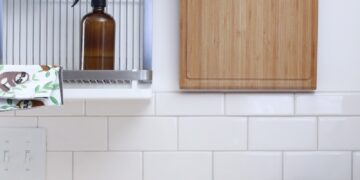
Invest in reusable and refillable products, such as a bamboo toothbrush or a glass soap dispenser, to reduce single-use plastic waste. Consider using biodegradable cleaning products and compostable toilet paper to further minimize your environmental impact. By choosing sustainable materials, you can create a zero waste bathroom that is both stylish and eco-friendly.
Common Questions About Zero Waste Minimalist Bathrooms
How can I reduce waste in my bathroom?
There are several ways to reduce waste in your bathroom, such as using reusable products, choosing biodegradable materials, and recycling or composting where possible. By eliminating single-use plastic products and opting for sustainable alternatives, you can significantly reduce your environmental impact.
What are some essential items for a minimalist bathroom?
Essential items for a minimalist bathroom include a few high-quality products that serve multiple functions, such as a multi-purpose soap, a bamboo toothbrush, and a reusable razor. Invest in durable and long-lasting items that are made from sustainable materials to create a minimalist space that is both functional and stylish.
How can I create a serene and calming bathroom environment?
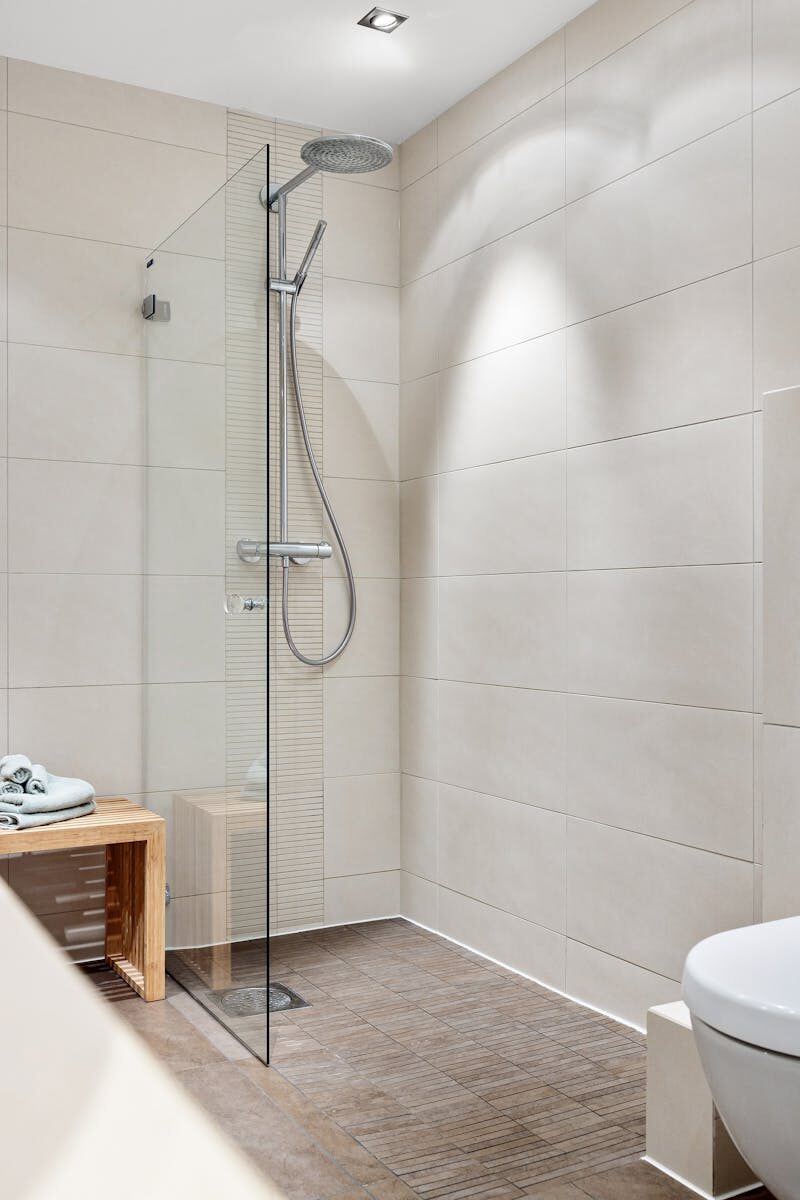
To create a serene and calming bathroom environment, declutter your space and keep it clean and organized. Use natural materials and soft colors to create a sense of tranquility, and incorporate plants or natural scents to promote relaxation. By creating a minimalist and sustainable bathroom, you can create a space that promotes mindfulness and well-being.
Conclusion
Creating a zero waste minimalist bathroom is not only good for the environment, but also for your overall well-being. By simplifying your routine, choosing sustainable materials, and reducing waste, you can create a serene and functional space that promotes relaxation and mindfulness. By following the tips outlined in this article, you can streamline sustainability in your bathroom and create a space that is both aesthetically pleasing and environmentally friendly.
Remember, every small change you make in your bathroom can have a positive impact on the planet. By embracing a zero waste minimalist lifestyle, you can contribute to a more sustainable future for generations to come.